EuroCC Researchers Participate in the Montenegrin Machine Learning Workshop

Researchers from EuroCC Montenegro participated in the Montenegrin Machine Learning Workshop, a one-day event aimed at popularizing topics related to Machine Learning (ML) and Artificial Intelligence (AI) among students, researchers, and practitioners. The workshop was organized in cooperation with the Montenegrin Artificial Intelligence Association (MAIA) as a satellite event to the EEML summer school. Participants attended lectures covering deep learning and its applications in earth observation, graph neural networks, power grids, biology and genomics.
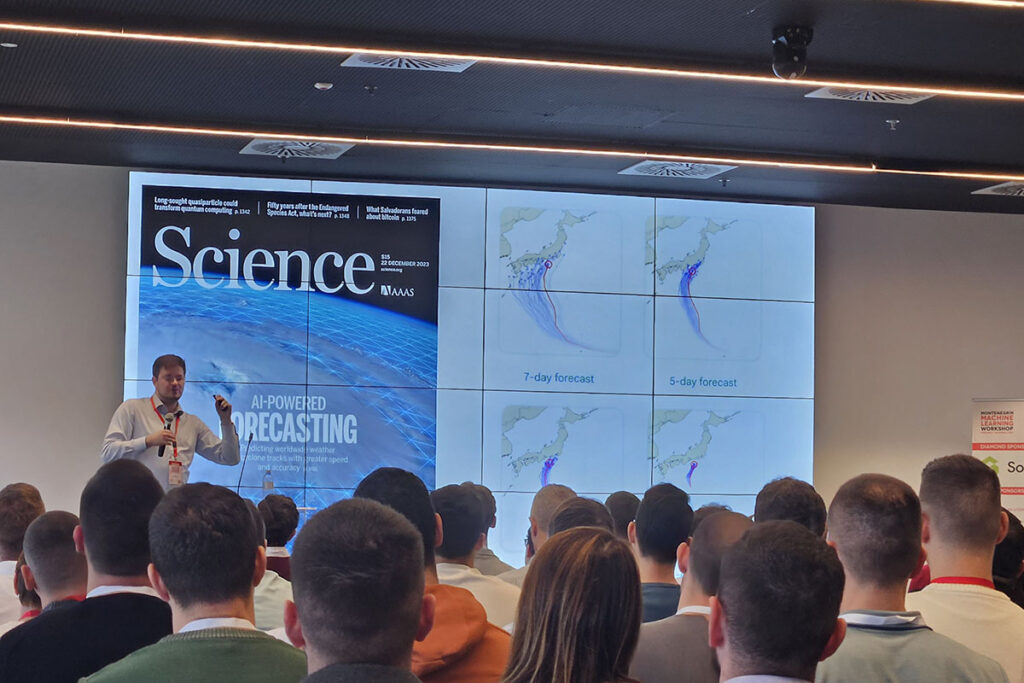
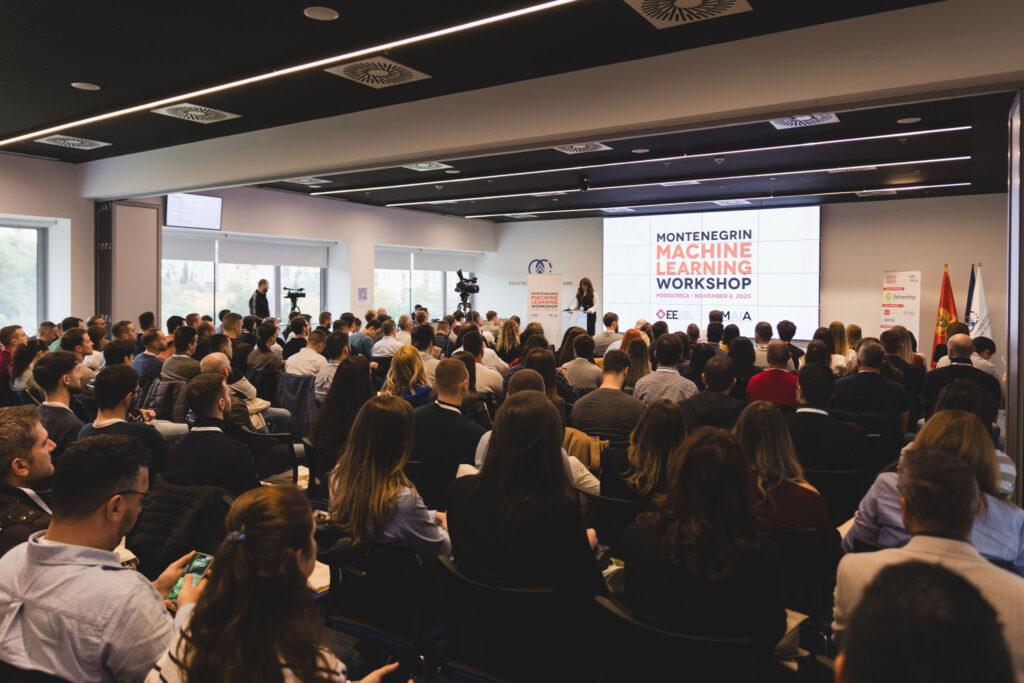
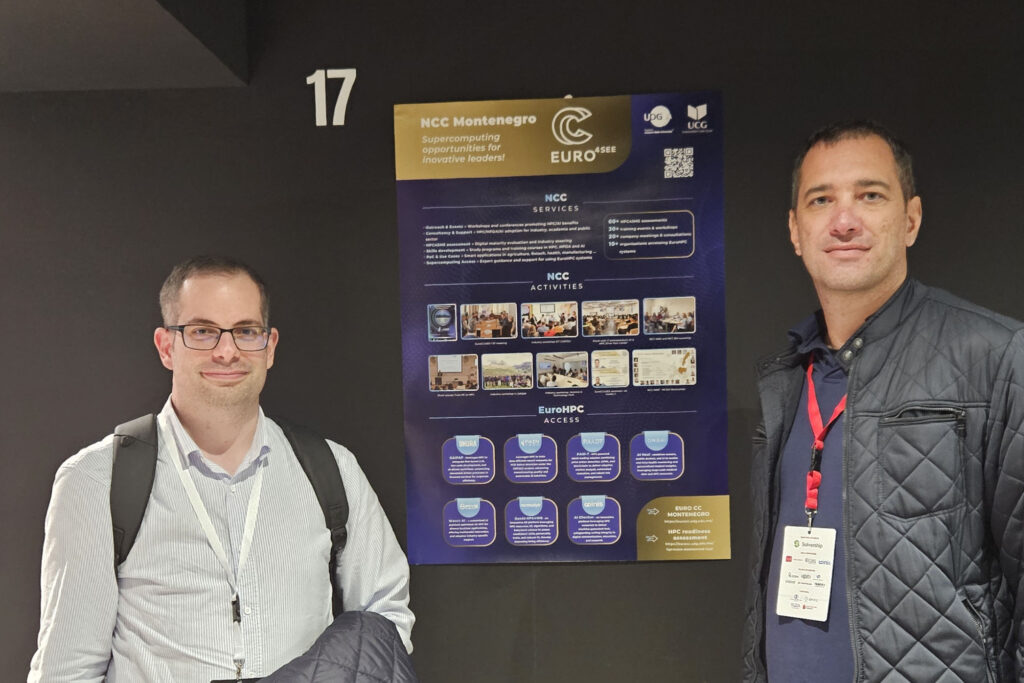
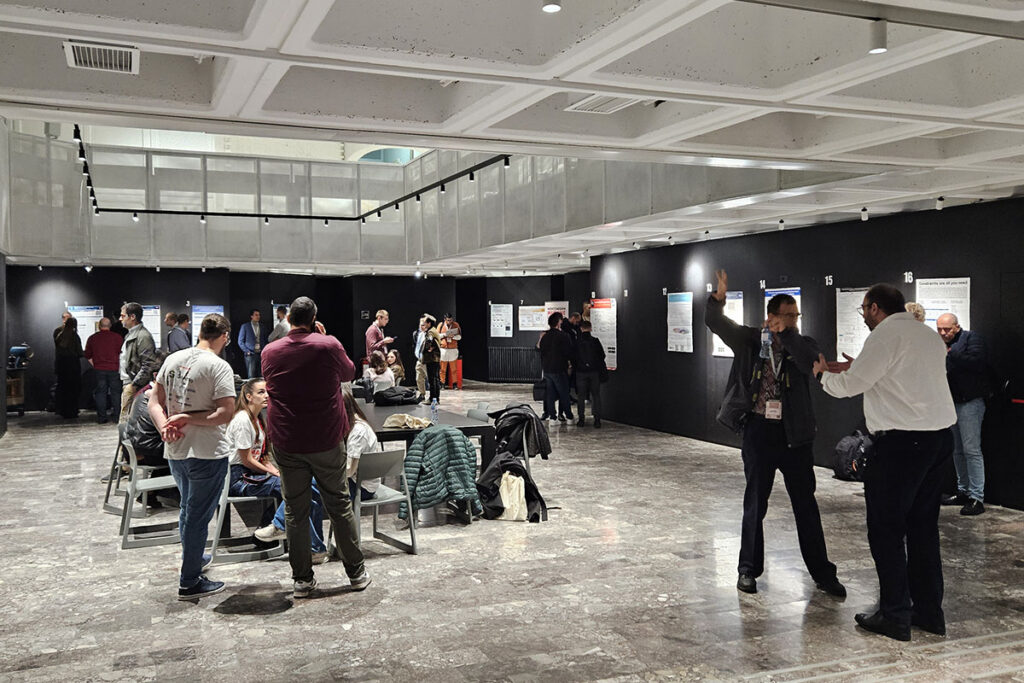
During the poster session, visitors had the opportunity to learn more about the EuroCC project and its efforts to promote AI and HPC research in Montenegro.
Two AI Short Courses Successfully Completed by NCC Montenegro

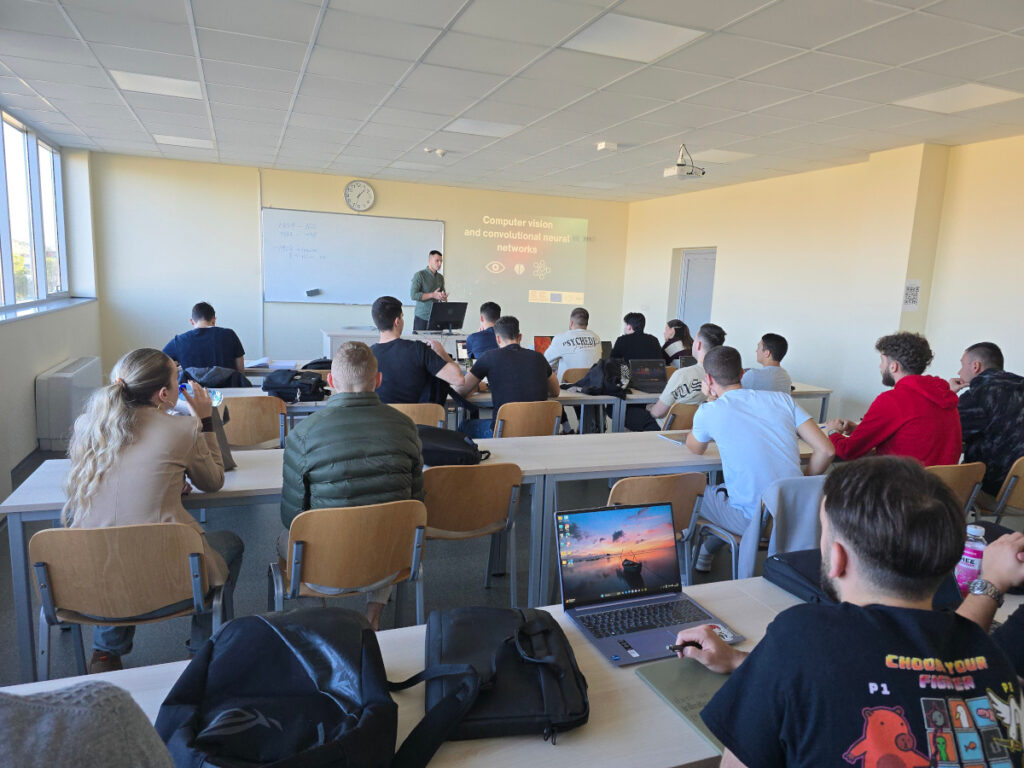
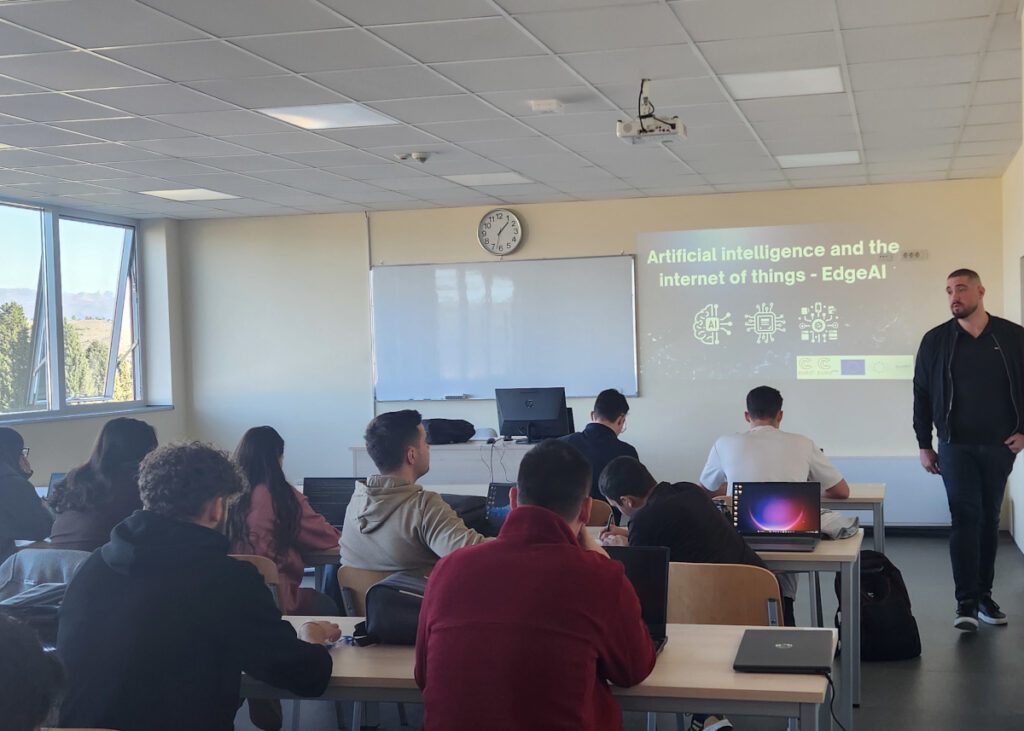
Over the past two weeks we delivered two focused courses, conducted under the EUROCC 2 & EUROCC4SEE project, with an outstanding cohort of participants — students, researchers, and professionals who excelled in curiosity, teamwork, and results.

Dejan Babic giving presentation on CV &CNN supported by HPC

Computer Vision & CNNs with HPC – Short Course

  • From raw pixels to features and robust visual representations
  • Hands-on lab: building and training an image classifier
  • Running experiments on the NCC Montenegro HPC cluster
  • Participants mastered concepts quickly, asked sharp questions, and worked independently in the lab
Ivan Jovovic, giving a presentation on Edge/AI supported by HPC

EdgeAI – Artificial Intelligence & the Internet of Things supported by HPC

  • Designing efficient AIoT data pipelines
  • Deciding when to process at the edge vs. in the cloud
  • Deploying lightweight ML models on resource-constrained devices
  • Model optimization using HPC infrastructure
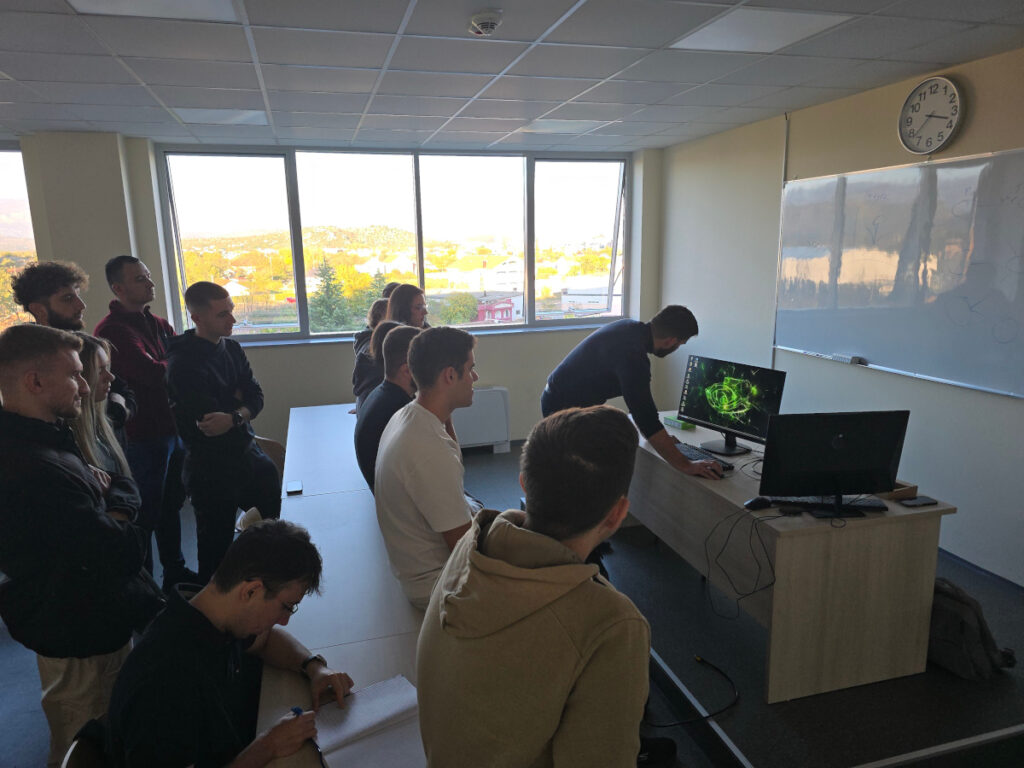
Demonstration by Elvis Taruh and Ivan Jovovic on running HPC created models on NVidia Jetson platform

Stay tuned for the next sessions and advanced workshops!

Artificial intelligence and the internet of things – EdgeAI

This focused short course explores how artificial intelligence (AI) can be embedded into Internet of Things (IoT) systems, with a special emphasis on edge AI – running ML models directly on devices, close to where data is generated. Participants will learn how to design AIoT pipelines, when to process data on the edge vs. in the cloud, and how to deploy lightweight ML models on resource-constrained hardware. The course is intended for students, researchers, and professionals who want to move from “connected devices” to intelligent devices.

Course date: 05.11.2025 at 13:30
Venue: S34, UDG
Registration: required
Registration link: https://forms.gle/2DktEUqf5KZosFth7

Designed for: students, researchers, and professionals interested in AI, IoT, edge computing and applied ML.

Course Content Overview

Session 1 — AI + IoT theoretical framework

  • AI–IoT convergence: from sensing to intelligent action
  • edge vs. cloud vs. fog: latency, bandwidth, privacy, cost
  • edge AI pipeline: device → preprocessing → inference → actuation
  • lightweight/embedded ML (TinyML, quantization, pruning)
  • platforms and use cases (Raspberry Pi, Jetson, smart agriculture, industry)

Session 2 — hands-on edge/AI lab

  • preparing the edge/IoT environment and data source (sensor/camera/mock)
  • deploying a small ML model to the device
  • running inference locally and sending results to backend/cloud
  • monitoring and simple performance checks
  • how to scale to real deployments

Learning outcomes

By the end of the course, participants will be able to:

  • explain the relationship between AI, IoT and edge computing
  • decide when inference should run on the device and when in the cloud
  • deploy a lightweight ML model to an IoT/edge setup
  • outline an end-to-end AIoT application for their own domain (e.g. agriculture, smart city, industry)

HPC NCC Montenegro gave lecture for final-year students at UDG

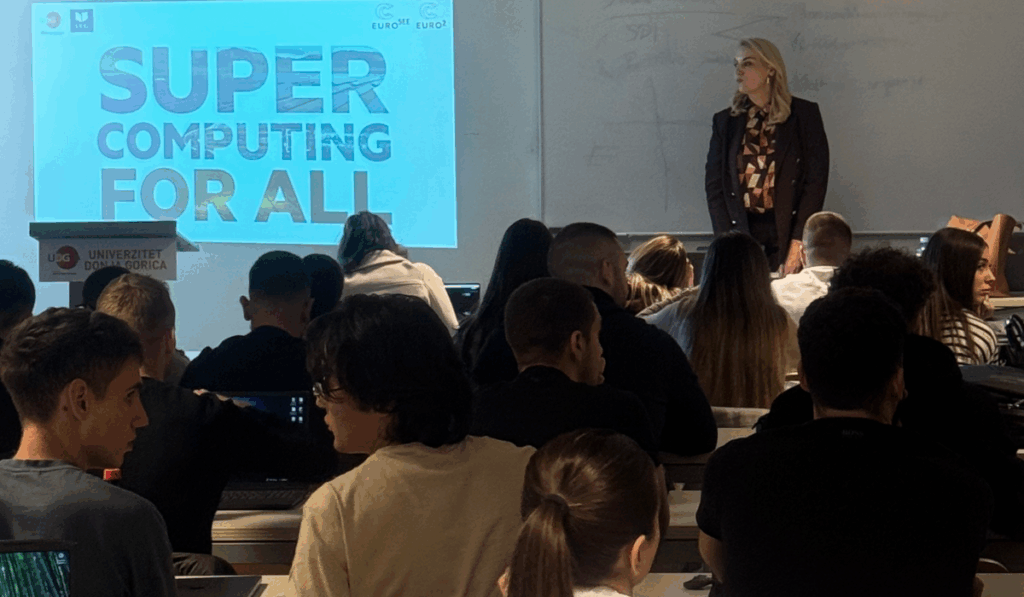
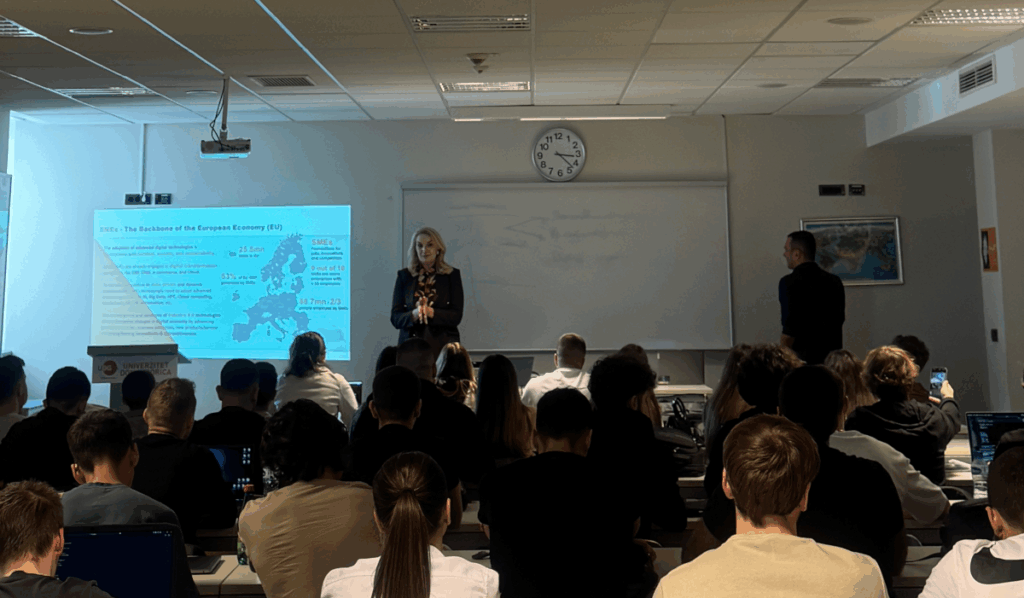
As part of the Digital Transformation course, representatives of the National Competence Centre for High-Performance Computing – NCC Montenegro, Ms. Sanja Nikolić and Dr Luka Filipović, delivered a guest lecture to final-year BSc students of the Faculty for Information Systems and Technologies (FIST) and the Faculty of Applied Sciences at the University of Donja Gorica. The session highlighted the growing strategic importance of High-Performance Computing (HPC) in research, innovation and business competitiveness.

HPC and Bussiness Opportunities for Digitial Transformation

Students were introduced to how HPC powers today’s AI systems, large-scale simulations, and data-intensive applications, and how this technological convergence opens new career and entrepreneurial opportunities. The lecture also showcased how HPC and AI are becoming critical enablers for SMEs and start-ups, transforming traditional industries and supporting advanced digital solutions in agriculture, energy, finance, and healthcare.

Ms Sanja Nikolic and Dr Luka Filipovic gave a lecture to final year students

The presenters also provided an overview of NCC Montenegro’s activities under the EuroCC/EuroCC4SEE initiative – including training opportunities, access to European supercomputers, SME onboarding support, and student involvement through research, master’s projects, and innovation-oriented proof-of-concepts. The lecture concluded with an open invitation for students to engage in upcoming NCC HPC/AI programs, internships, and applied research initiatives.

Deep Learning Course with HPC

The Deep Learning with High Performance Computing (HPC) course provides a comprehensive introduction to both the fundamental and advanced concepts of Deep Learning, with a special focus on applications in High Performance Computing environments.

Participants will explore neural networks, loss optimization, convolutional and transformer architectures, as well as unsupervised and generative models. Through a combination of lectures and practical sessions, attendees will gain both theoretical understanding and hands-on experience in efficiently training and deploying deep learning models on HPC systems.

The course is intended for students and researchers with prior knowledge of machine learning concepts, programming in any language, and a basic understanding of mathematics (functions, derivatives, linear algebra, and statistics).
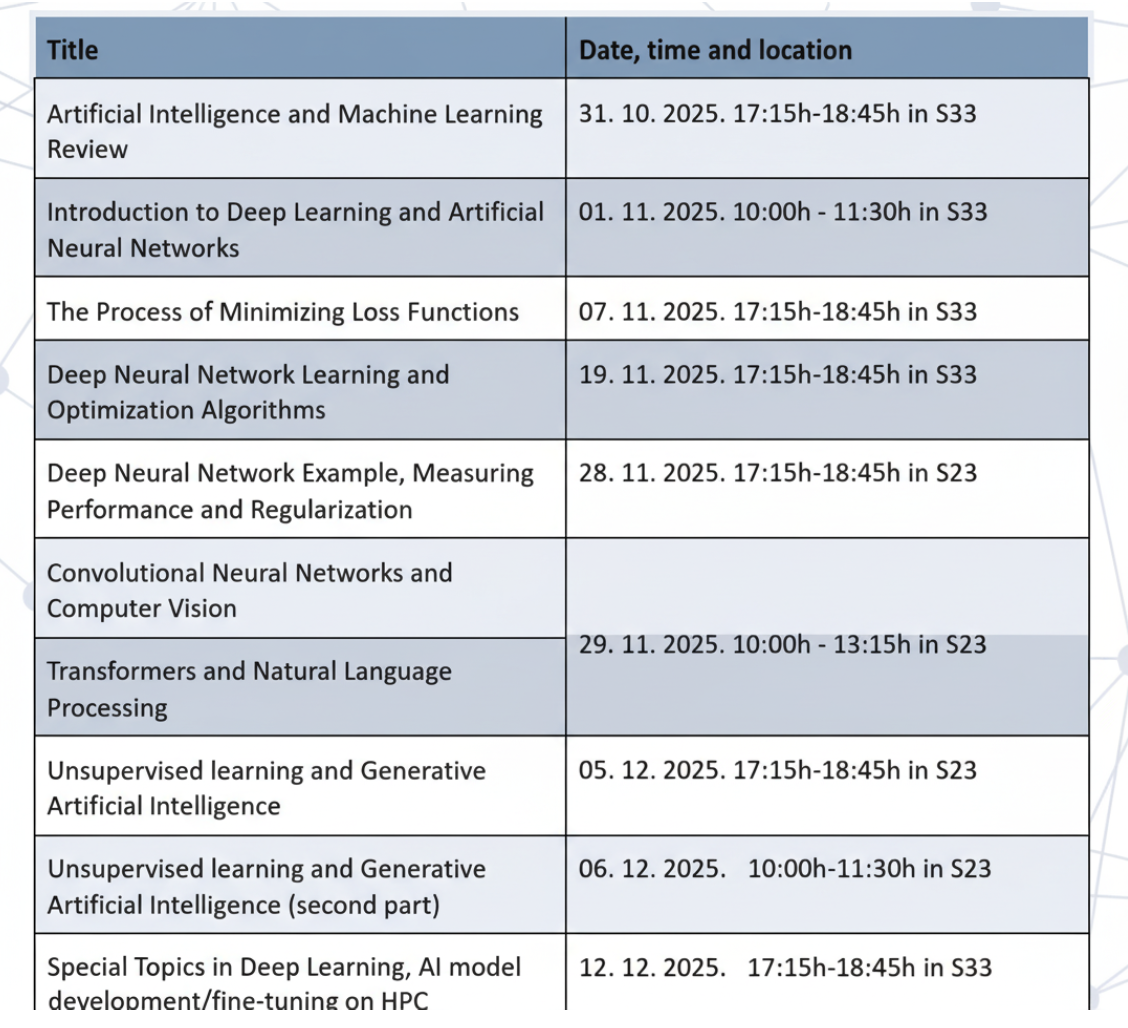
The course is organized within the EuroCC project at the University of Donja Gorica, in collaboration with the Center for High Performance Computing and the Artificial Intelligence research team. All classes will be organized at the University of Donja Gorica, starting from 31st October, 2025, from 17:15h, in classroom S33 or S23 (3 floor).

Link for registration: https://forms.gle/dKH5WMc6egcikaF99

Schedule

Computer Vision and Convolutional Neural Networks

This focused short course introduces the core concepts of computer vision (CV) and modern convolutional neural networks (CNNs), then applies them in practice. Participants will understand how images become features, how CNNs learn robust representations, and how to train/evaluate models for real-world tasks. Designed for students, researchers, and professionals with basic Python knowledge, the course blends a clear theoretical framework with a hands-on lab that delivers a working image classifier and practical tips for improving accuracy and robustness. Participants will have an opportunity to run their experiments on the HPC cluster at NCC Montenegro.

Course date: 29.10.2025 at 13:30 (S32, UDG)

Registration for this course is required. You can register on the following form at link https://forms.gle/1FkRDBGCxdrPx9fF6

Designed for: students, researchers, and professionals

Computer Vision and Convolutional Neural Networks course

Course Content Overview

Session 1 — theoretical framework

  • pixels → features: convolutions, padding/stride, receptive fields
  • key blocks: activations, pooling, batchnorm, dropout, residuals
  • landmark architectures: lenet → resnet → efficientnet
  • training essentials: loss, optimizers, lr schedules, augmentation, metrics
  • transfer learning basics

Session 2 — hands-on lab

  • setup + dataset (cifar-10 or small custom), clean splits, transforms
  • baseline cnn train → evaluate (accuracy/F1, confusion matrix)
  • fine-tune a pretrained resnet; freeze/unfreeze; early stopping
  • export best model (pth/onnx) and tiny inference script

Learning Outcomes

By the end, participants will be able to:

  • Explain how CNNs extract hierarchical features and why core blocks/architectures matter.
  • Build a solid training pipeline with proper splits, augmentation, and metrics.
  • Fine-tune a pretrained model and diagnose errors with interpretability tools.
  • Export a trained model for downstream use in apps or services.

Course : Parallel Computing

The University of Donja Gorica and NCC Montenegro are organizing a course on Parallel Computing. This course emphasizes the importance of parallel computing in addressing complex numerical problems that cannot be efficiently solved by sequential programs.

Participants, including students and industry partners, will be introduced to the fundamentals of distributed and parallel computing, as well as key performance indicators of parallel programs.

In the second part of the training, participants will learn the basics of parallel programming on multicore HPC systems, utilizing both shared-memory and distributed-memory architectures through OpenMP and MPI. After mastering the essentials, the course will cover the complete process of decomposing a serial program, transforming it into a parallel version, and identifying potential challenges related to parallelization and communication.

In the final part of the course, participants will be introduced to the fundamental concepts of GPU programming, exploring how graphics processing units can be used to accelerate computation.

The course is designed to last six weeks, with weekly 90-minute sessions held in the afternoon.

Course start : 30.10.2025, 17.15,
Location : University of Donja Gorica, S43 (4th floor),
More info : mnencc@udg.edu.me