

A PoC Demonstrates the Potential of AI and HPC for Developing Non-invasive Approaches to Colorectal Cancer Risk Assessment
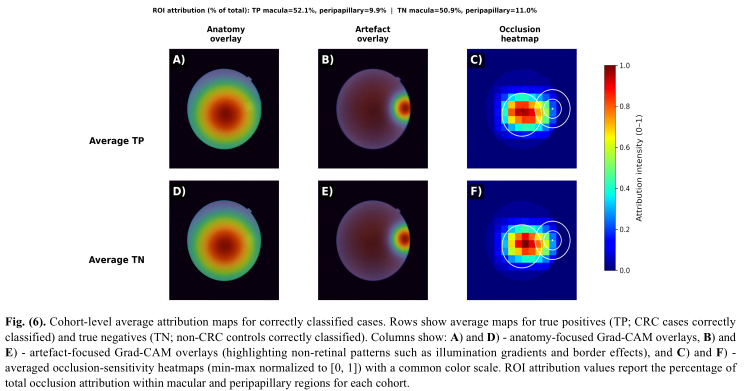
Researchers from the University of Donja Gorica and the University of Montenegro have investigated the use of artificial intelligence (AI) to identify retinal patterns associated with colorectal cancer. The study demonstrates how advanced computing can contribute to biomedical research and open new opportunities for future healthcare applications. Colorectal cancer remains a major public health challenge, highlighting the importance of developing complementary, non-invasive approaches to disease assessment. Retinal photographs contain information about vascular and neurological structures that may reflect broader systemic health conditions. The challenge was to investigate whether deep learning could identify patterns associated with colorectal cancer using retinal images alone, without relying on conventional clinical or demographic inputs.
Read more at [link].
Optimizing AI Models for Deployment on Resource-constrained IoT Devices
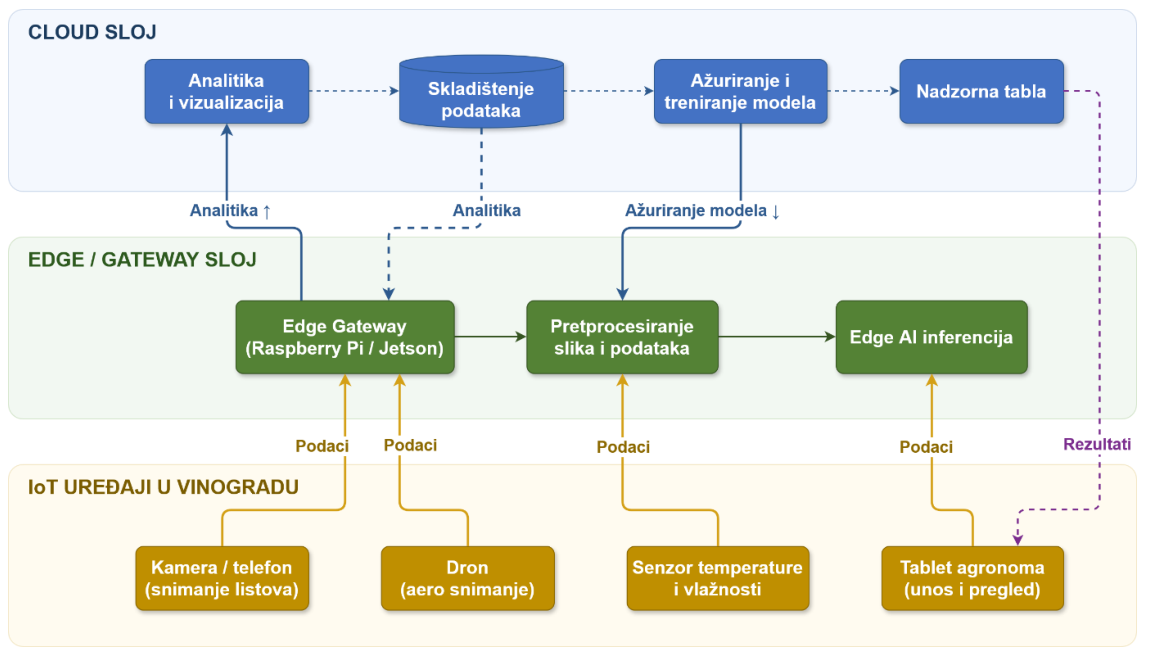
This proof of concept explored how model quantization can make computer-vision models smaller and faster while preserving predictive performance. The application scenario focused on grape leaf disease classification, representing a practical smart-agriculture use case in which image analysis may need to be performed directly in the field. The work was carried out by Žarko Peruničić as part of his MSc research at the University of Donja Gorica. It emerged from the broader educational and mentoring ecosystem around the MSc programme in Artificial Intelligence, developed with support from EuroCC / NCC Montenegro, with mentoring expertise from UDG and NCC Montenegro.
Read more at [link].
Combining Computer Vision and Clinical Data Analysis
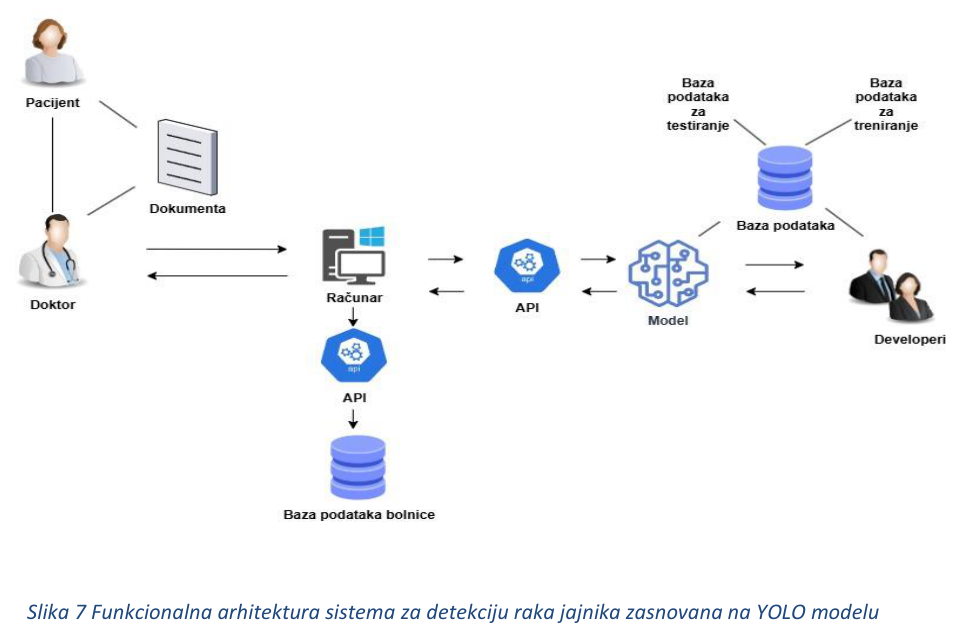
Artificial intelligence can support medical diagnostics in very different ways, from analysing complex medical images to identifying patterns in structured clinical and laboratory data. This proof of concept explored both directions through two complementary use cases: detection of ovarian tumour changes in histopathology images and prediction of pneumonia from clinical data. The work was carried out by Anesa Abazović as part of her MSc research at the University of Donja Gorica within the MSc programme in Artificial Intelligence. The research was supported in part through the EuroCC2 and EuroCC4SEE projects and through the broader training, mentoring, and AI capacity-building activities of NCC Montenegro.
Read more at [link].
AI-supported Tuberculosis Detection and Medical Education
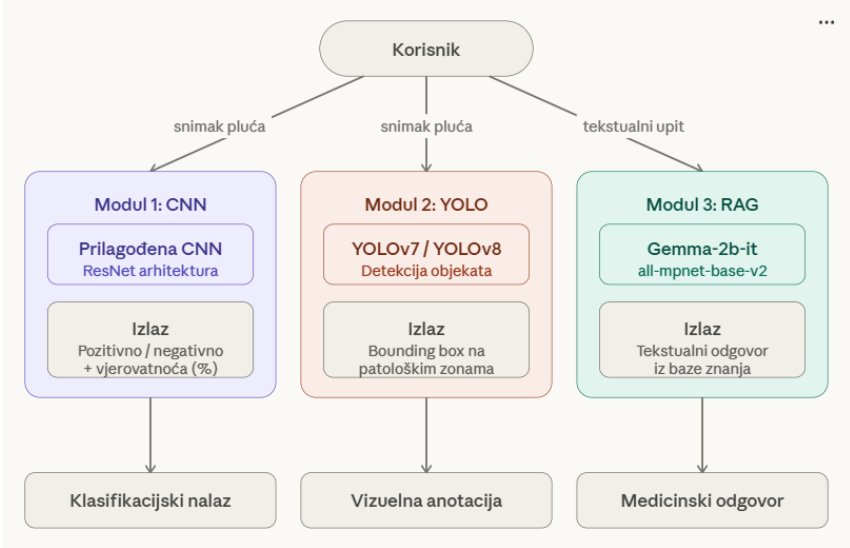
This research explored how two complementary areas of artificial intelligence can be combined to address these challenges: computer vision for the analysis of chest X-ray images and Retrieval-Augmented Generation (RAG) for providing educational information grounded in medical literature.Tuberculosis remains an important global health challenge, where timely detection and access to reliable medical information are essential. Chest X-ray imaging is widely used in the assessment of pulmonary disease, but its interpretation requires specialist expertise, while access to such expertise may be limited in some settings. At the same time, patients, students, and healthcare professionals increasingly need efficient access to trustworthy and understandable medical information.
Read more at [link].
AI-AGE Project: Using AI and HPC in Medicine

Ageing is the single greatest risk factor for a wide range of chronic diseases — from diabetes and cardiovascular conditions to cognitive decline and cancer. Early identification of individuals at elevated risk, before disease becomes clinically manifest, is one of the most important open challenges in preventive medicine. Yet non-invasive, scalable approaches to early risk assessment remain underdeveloped, particularly in smaller healthcare systems with limited diagnostic infrastructure. In Montenegro, as in much of the region, population-level data on frailty, prefrailty, and multimorbidity in middle-aged adults has until recently simply not existed — making it impossible to design evidence-based early intervention strategies for the most critical window of prevention.
Read more at [link].
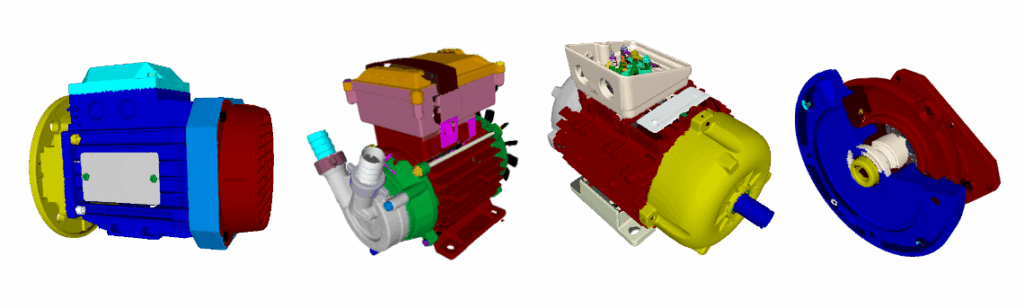
Detection of Mechanical Parts in 3D Scans of Assemblies
The recognition of shapes from partial 3D scans is a research objective shared by computer graphics and computer vision. At the core of these research challenges lies the need to attach semantic meaning to 3D shape representations, and to do so on a large scale. Segmentation of 3D representations of mechanical assemblies has numerous industrial applications, particularly in scenarios where knowledge about individual mechanical parts and their spatial relationships is beneficial. This includes quality control, reverse engineering, digital twin creation, augmenting CAD models with metadata extracted from segmented scans, operator training for assembly and disassembly, and generating digital instruction sheets using augmented reality.
Read more at [link].
AI-Powered Poultry Farming: Enhancing Accuracy with Synthetic Data
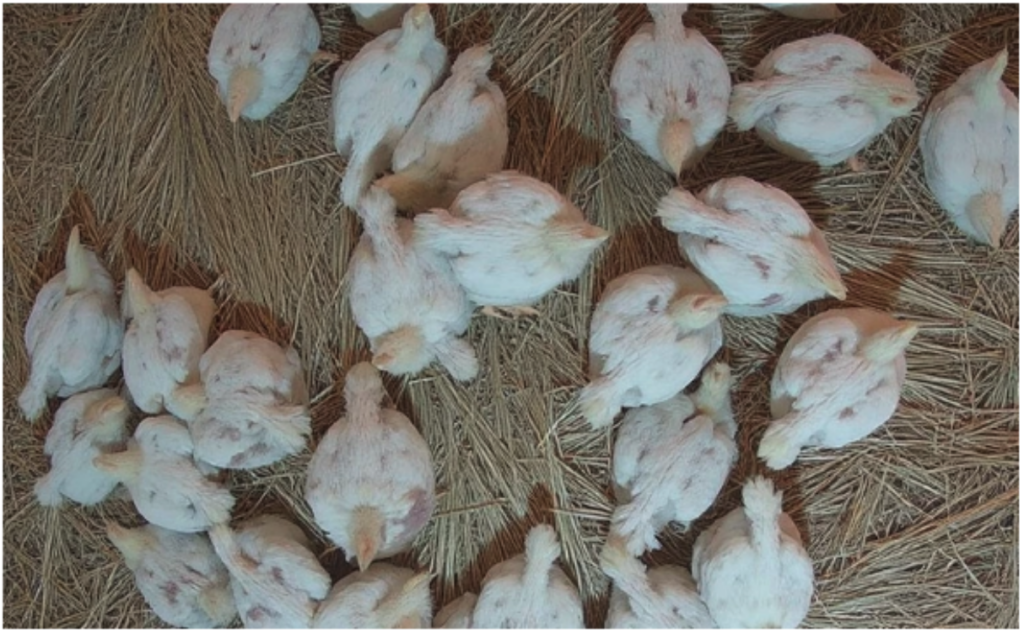
Modern poultry farming increasingly incorporates deep learning techniques to automate tasks such as bird detection, animal counting, behavior analysis, and mortality detection, aiming to optimize production and ensure animal welfare. While these technologies offer significant potential for improving efficiency, sustainability, and resource management, their effective implementation faces challenges. Key among these are the variable conditions in farm environments, the scarcity of data for training robust models, and the labor-intensive nature of traditional monitoring practices. To address these challenges, this study explores the use of computer vision and generative artificial intelligence (GenAI) to enhance animal detection and tracking, enabling more accurate and scalable farm management. By leveraging AI-driven solutions, farmers can gain data-driven insights and automate processes, reducing costs and improving productivity in modern poultry farming.
Read more at [link].
HPC-driven Development of AI Tools for Matrix Problem Solving
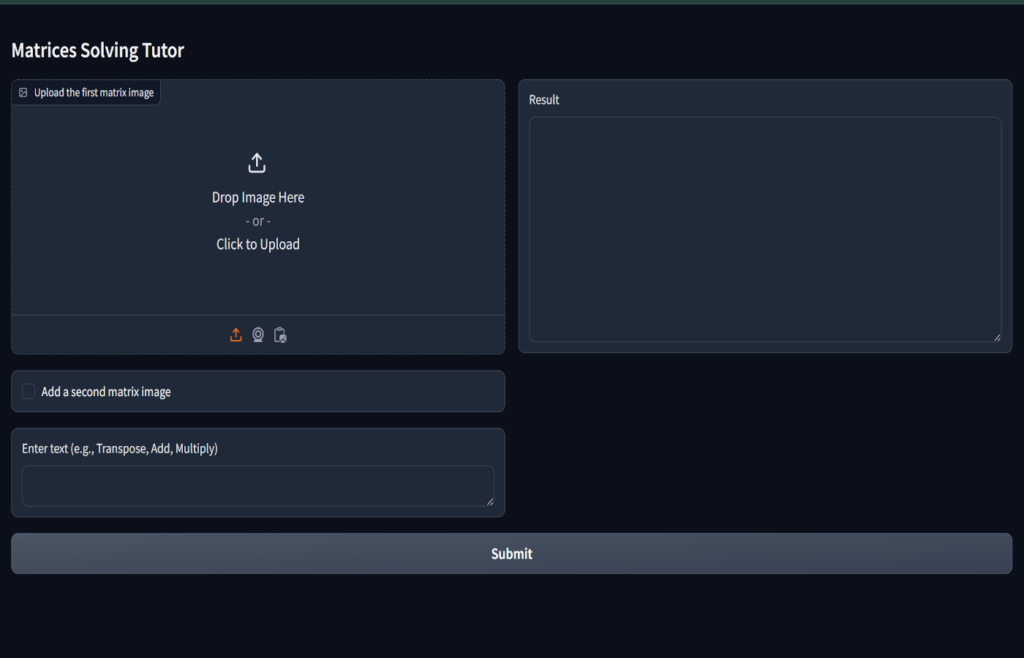
Understanding matrix operations is a notorious stumbling block for many students. Despite the foundational importance of matrices in disciplines like mathematics, engineering, and computer science, learners often struggle with their abstract nature and the step-by-step complexity involved in solving matrix problems. Traditional teaching methods (e.g. lectures and textbooks) usually lack interactivity and timely feedback, which can leave students confused or disengaged when they hit a roadblock. A common scenario is that a student works through a matrix calculation on paper, but without immediate feedback they might not realize a mistake until much later. This absence of instant guidance makes it harder to pinpoint errors and grasp core concepts. The challenge was clear: how to provide students with a more interactive, supportive way to practice matrix problems, so they can learn by doing with confidence that mistakes will be caught and corrected in real time.
Read more at [link].
Livestock Monitoring with Edge AI and High-Performance Computing
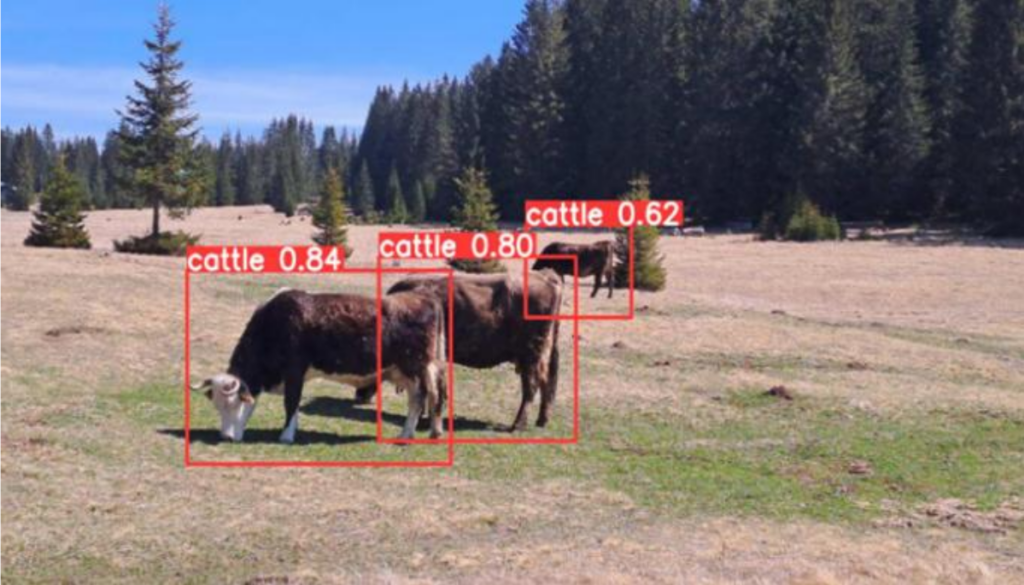
Livestock farming is vital to many economies (including Montenegro) but faces high labor costs, resource inefficiencies, and slow adoption of modern technology. Farmers traditionally monitor herds by manually counting and inspecting animals – a time-consuming and costly process that strains resources. On large farms with hundreds of animals, keeping an eye on each cow or sheep is daunting and prone to human error. Issues such as stray, lost, or ill animals might go unnoticed until it’s too late, jeopardizing farm productivity and animal welfare. Clearly, there was a need for an innovative solution to augment farmers with real-time, automated livestock monitoring. The challenge was not just detecting animals with precision, but doing so efficiently in remote farm environments – a task requiring a leap in computational capability and reliable operation outside the lab. High-Performance Computing (HPC) offered a way forward, providing the computational muscle to develop advanced AI models that could meet these demands.
Read more at [link].
HPC4S3ME: Building Montenegro’s HPC and AI Research Foundation

High-performance computing and artificial intelligence are increasingly central to research and innovation in virtually every sector — from agriculture and healthcare to energy and tourism. Yet for a university in a small country still on its EU accession path, the gap between ambition and infrastructure can be significant. Before the HPC4S3ME project, young researchers at the University of Donja Gorica (UDG) lacked access to hands-on HPC infrastructure, structured pathways into advanced AI and HPC methods, and the institutional connections needed to tap into European research networks. Conducting computationally intensive research — training deep learning models, running large-scale experiments, or working on data-heavy pilot applications — required improvisation rather than a reliable, managed computing environment.
Read more at [link].
Breast Cancer Detection with Computer Vision and Image Processing
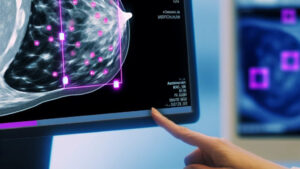
The analysis of mammographic images is a critical task that relies on experienced radiologists to identify subtle signs of malignancy, often hidden within complex tissue patterns. However, the high volume of images and the variability caused by radiologist fatigue pose challenges to maintaining accuracy and consistency. To address these issues, Machine Learning (ML) object detection models, combined with advanced image processing techniques like CLAHE, have been introduced to enhance visualization and automate abnormality detection with precision. This integration, supported by the collaborative efforts of UoM and UDG, has significantly optimized diagnostic workflows, reducing analysis time and improving early detection, marking a transformative step in modern healthcare diagnostics.
Read more at [link].