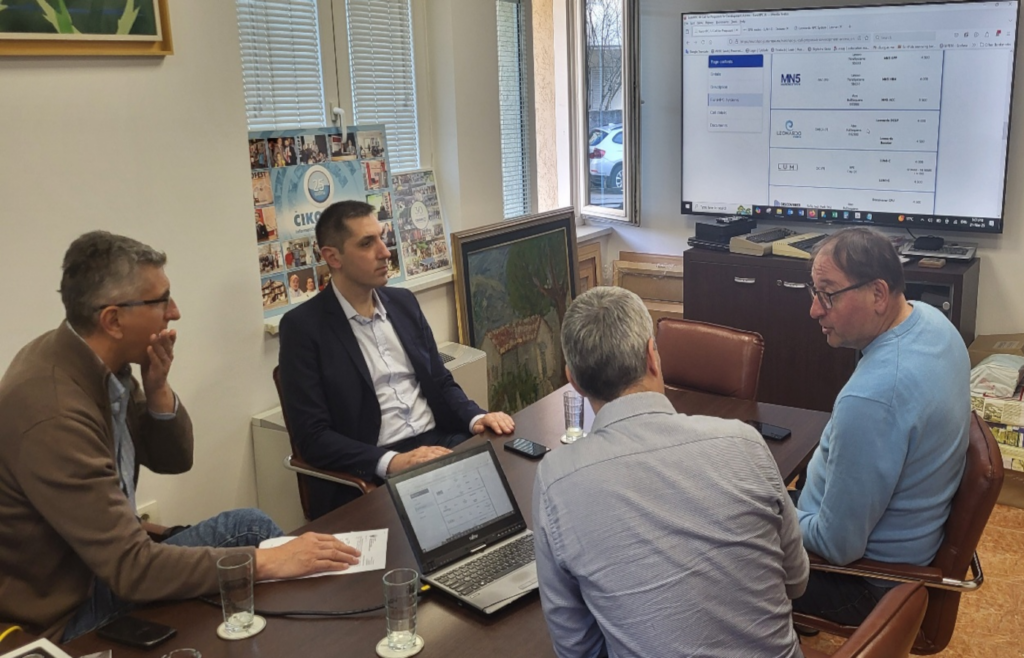
The continuation of the consultations of the NCC team of Montenegro with the company Čikom and its sister company ITAS, was carried out on Friday, March 21, at the premises of the company Čikom. The meeting was attended by the CEO of the company Čikom, Vladan Tabaš, and the CEO of the company ITAS, Ivan Bošković, as well as representatives of the NCC team of Montenegro, Prof. Dr. Božo Krstajić and Prof. Dr. Enis Kočan. On February 1, the company ITAS began the implementation of the project “AI system for pathological analysis of adenocarcinoma (PathAI)”, which is co-financed by the Innovation Fund of Montenegro, and whose main goal is to improve the accuracy and efficiency of pathological analysis by applying innovative AI solutions. The ITAS team expects to collect and scan the first samples by the end of April, and the obtained images would then need to be processed on HPC resources. The NCC team recommended that ITAS apply to the call for HPC resources during the month of April, and presented the resources that can be obtained, the procedure for applying to the call and completing the application. It was agreed that the NCC team would be available to the ITAS company during the application period.
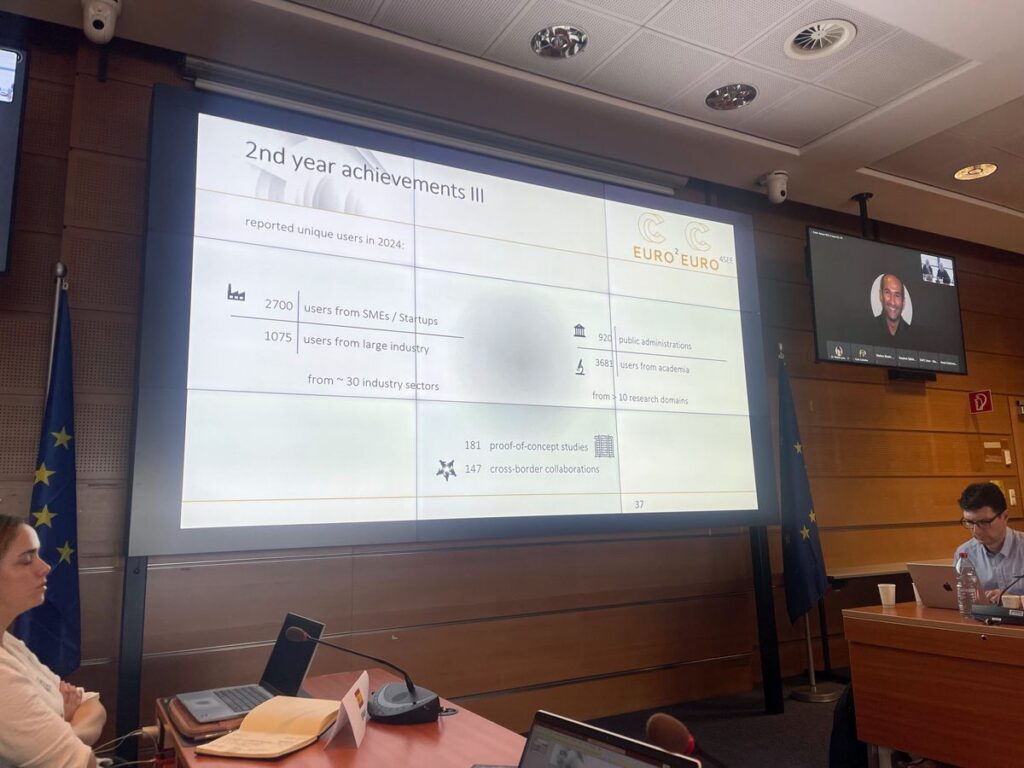
In 2024, the EuroCC2/EuroCC4SEE project reached a new milestone, with 34 National Competence Centers (NCCs) showcasing significant achievements. This year’s review highlighted the collective drive to advance HPC, HPDA, and AI, strengthening competencies, capacities, and collaboration across Europe.
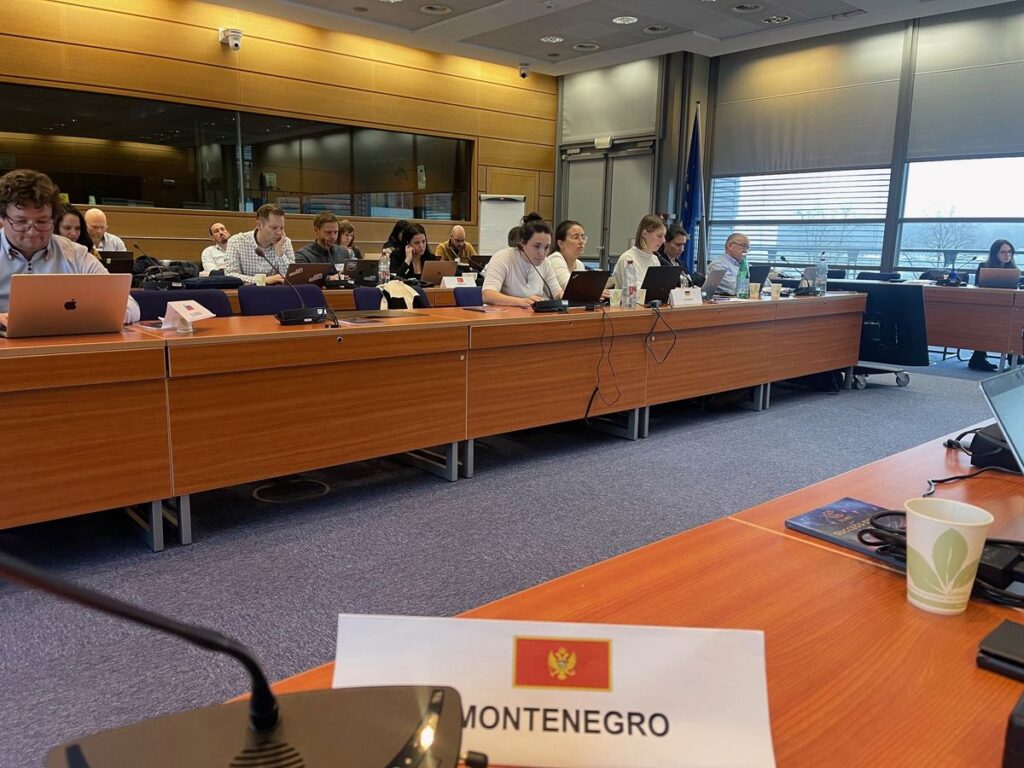
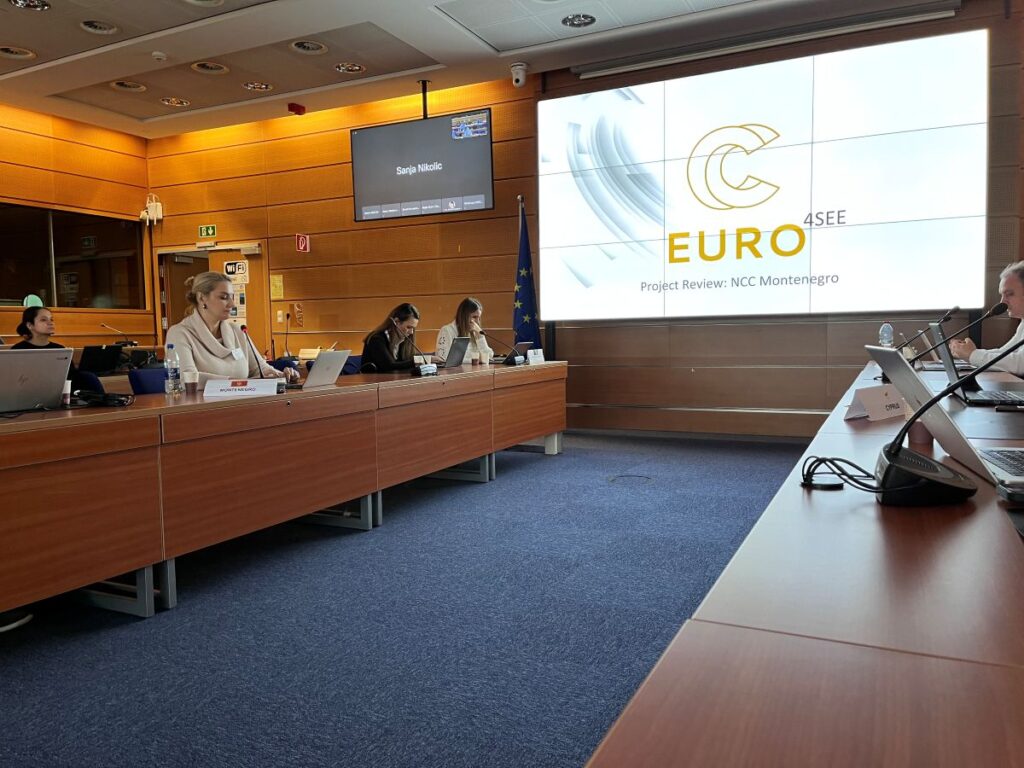
NCC Montenegro at the annual review meetingNCCs form 34 countries participated
A key focus in NCC presentations was user engagement, particularly with industry/SMEs. Through real-world HPC and AI use cases, Proofs of Concepts, and Success Stories, NCCs have bridged the gap between cutting-edge technologies and practical applications, fostering innovation across industries, academia, and the public sector. End-users have benefited from expert training, technical support, and subsidized access to EuroHPC supercomputing resources.
Great opportunity to exchange experiences and lessons learned
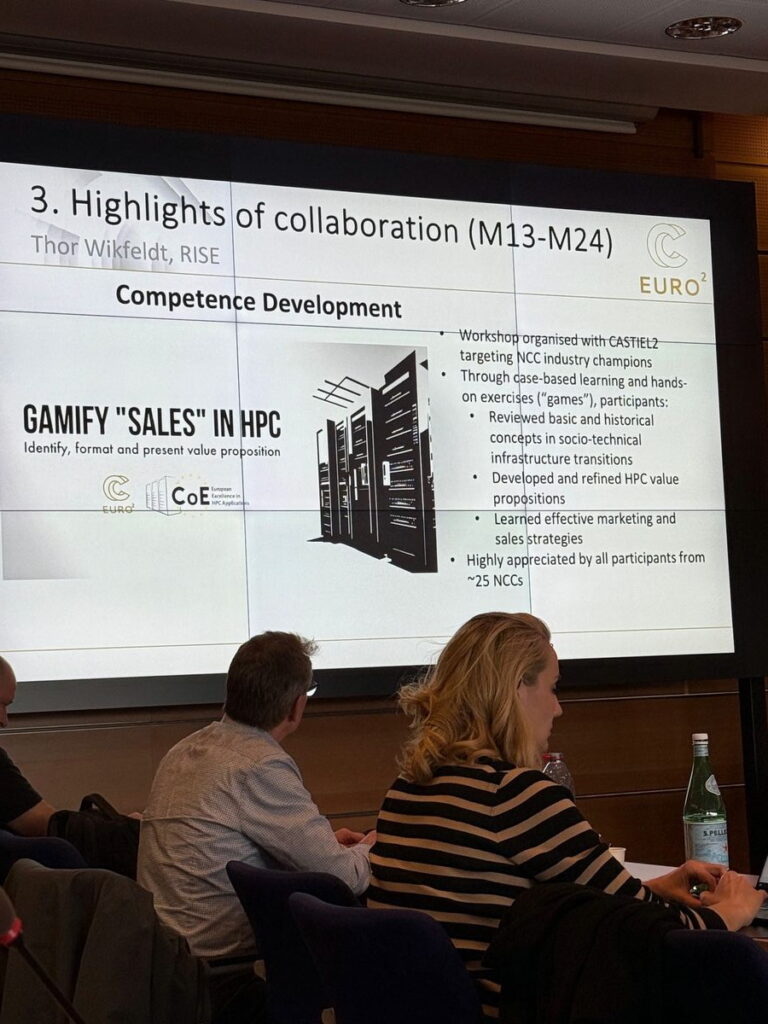
Collaboration remains central to EuroCC2/EuroCC4SEE. NCCs have deepened ties with other NCCs, CoEs, and EDIHs through mentoring, twinning, training and workshops. Joint initiatives, supported by EuroCC2 PMT and CASTIEL 2, have facilitated knowledge exchange, best practices, and white papers, accelerating Europe’s HPC/HPDA/AI ecosystem development. Training programs have equipped researchers, engineers, and industry professionals with essential skills to leverage these technologies effectively. The success stories presented reaffirm the project’s impact—enhancing scientific research, optimizing industry workflows, and improving public sector efficiency through smart solutions.
All NCCs presented what worked what did not in the precvous period
NCC Montenegro showcased Montenegrin companies, including UHURA, PAID MNE, IHMS, successfully utilizing European supercomputers to enhance the accuracy and efficiency of their innovative applications, complex simulations and advanced AI models. Additionally, the NCC Montenegro’s representative shared valuable insights on conducting HPC/AI study and training programs aligned with Smart Specialization strategy and highlighted successful collaborations with over 10 NCCs and CoEs in capacity building, industry practices and HPC awareness raising.
EUROCC4SEE and NCC Montenegro report
The 2024 review underscored EuroCC2/EuroCC4SEE’s role as a cornerstone of European HPC+ progress, driving user engagement, technological innovation and international collaboration. Looking ahead, the project remains committed to scaling impact, strengthening partnerships, and ensuring HPC and AI technologies remain accessible and beneficial to all.
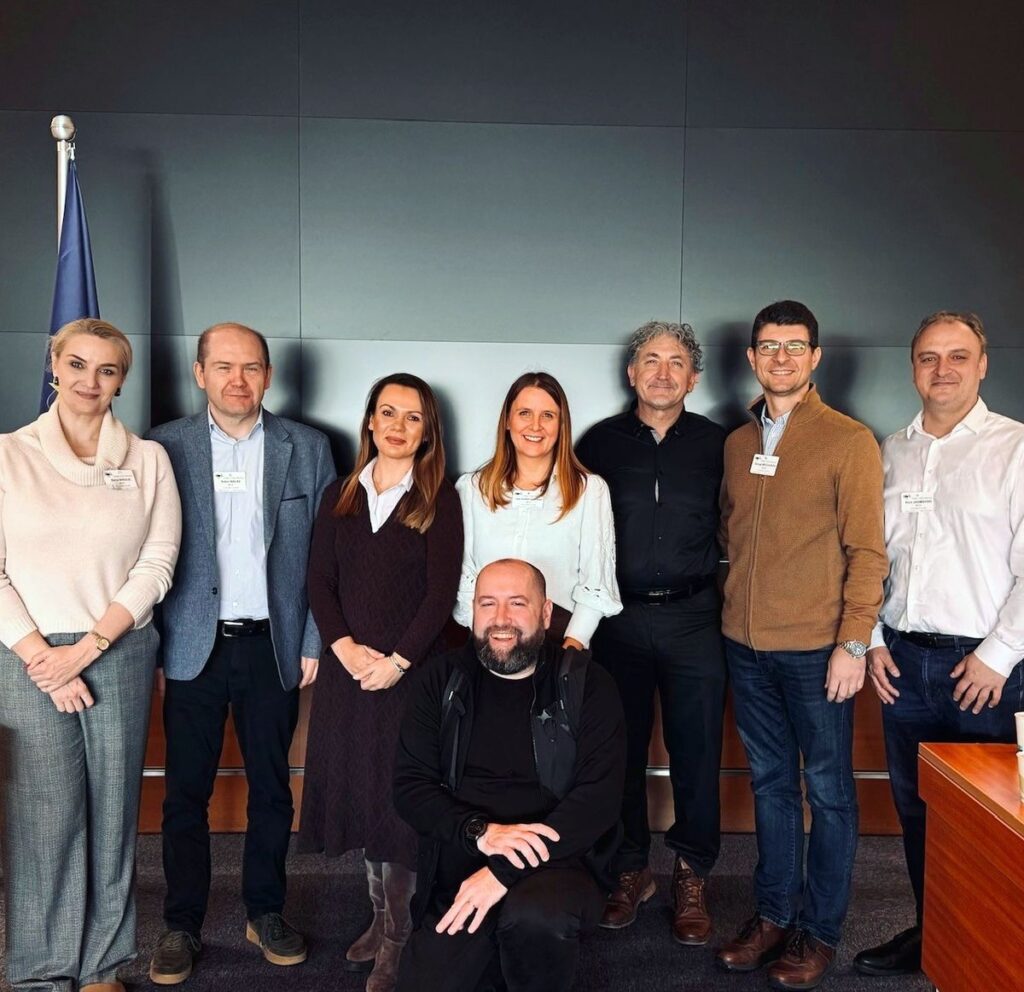
Good opportunity for networking with EUROCC2/EUROCC4SEE representatives
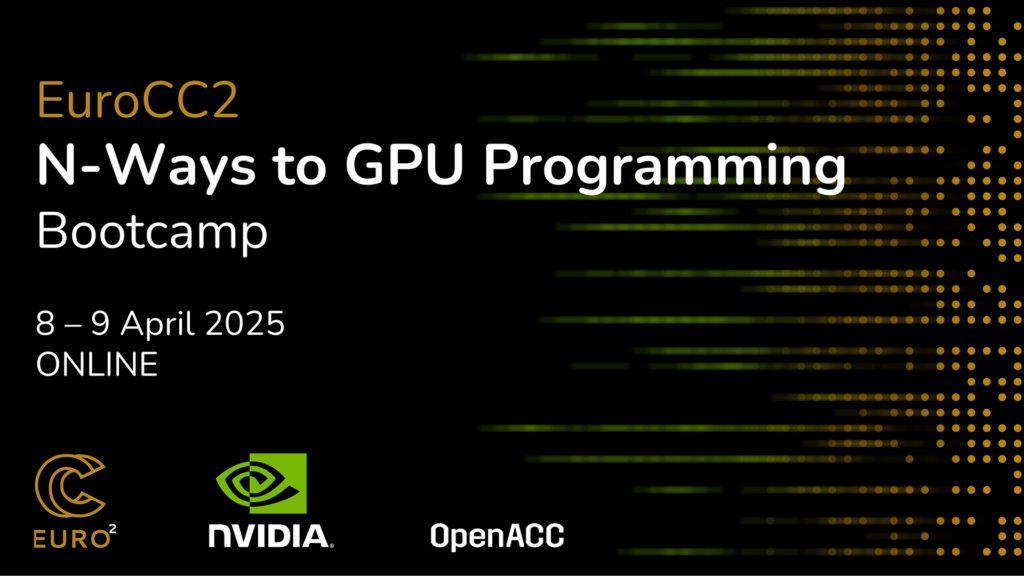
The N-Ways to GPU Programming Bootcamp offers a comprehensive introduction to GPU programming. Participants will learn about various methods for adapting scientific applications to GPUs using NVIDIA CUDA, OpenACC, OpenMP offloading, and standard programming languages.
Throughout the bootcamp, attendees will work alongside teaching assistants to explore multiple GPU programming models. They will also learn how to analyze GPU-enabled applications using NVIDIA Nsight Systems. The program includes hands-on activities that allow participants to apply their newly acquired skills to real-world problems.
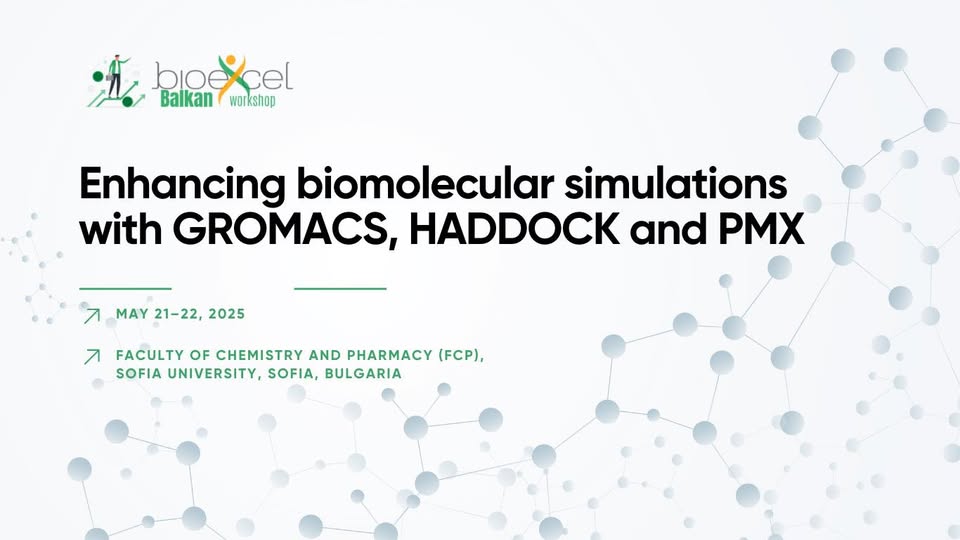
2 Days Hands-On Workshop: Hybrid Learning Experience jointly organized by BioExcel and supported by Sofia University “St. Kliment Ohridski”, Faculty of Chemistry and Pharmacy & Faculty of Physics, DISCOVERER Supercomputer and National Competence Centres in Bulgaria, North Macedonia, Romania, Serbia and Montenegro, this hydrid workshop will offer participants the chance to engage both on-site and online. The workshop will focus on the use of BioExcel core codes such as GROMACS, HADDOCK and PMX with a strong emphasis on hands-on practical sessions and guidance from leading experts in the field.
When & Where: May 21–22, 2025 | Sofia University, Bulgaria & Online
On December 18, 2024, the NCC Montenegro in collaboration with ICT Cortex, successfully organized an industry-focused workshop “Supercomputing Opportunities for Industry Leaders”. ICT Cortex as a prominent Montenegrin business association, dedicated to fostering ICT companies collaboration and advancing of IT sector and startup ecosystem in Montenegro, making a fitting partner for HPC/AI industry roadshow initiative conducted within the scope of EuroCC2/EuroCC4SEE project.
The workshop introduced participants to the comprehensive training and service portfolio offered by NCC MNE, while emphasizing the real-world benefits and examples of adopting HPC+ technologies. Key highlights of the workshop:
Demonstrating how HPC improves efficiency and accelerates innovation across various industry sectors and applications.
Showcasing real-world HPC and AI success stories driving significant business benefits.
Explaining how HPC4SME Assessment Tool can support Montenegrin SMEs in evaluating their readiness and potential for HPC/AI adoption.
Providing insights into EuroHPC Access Calls process and how innovative companies can leverage subsidized supercomputers access to address their computational needs and challenges.
The workshop attracted industry representatives and domain experts, expressing their keen interest in exploring supercomputing access possibilities and utilizing HPC-powered AI models to leverage their business R&D&I needs.
This initiative underscores NCC MNE’s commitment to bridging the gap between advanced computational technologies and industry needs, fostering a culture of innovation and digital competitiveness in Montenegro’s business ecosystem. By collaborating with organizations like ICT Cortex, NCC MNE continues to create valuable opportunities for knowledge sharing and technology transfer, strategic partnerships and industry onboarding.
NCC Montenegro is driving forward its mission to foster innovation by leveraging HPC-empowered AI development through strategic collaborations with local companies and startups.
NCC Montenegro conducted initiated consultations with Five Group, one of Montenegro’s leading IT companies specializing in 3D design, gaming, and AI-based systems and discussed HPC resources to boost productivity and support their advanced AI applications. Two potential projects were identified, and pathways for applying to EuroHPC resources were explored. Five Group’s collaboration with the University of Montenegro (UCG) further underscores its dedication to advancing education through appealing innovative solutions
NCC members visited Čikom company, one of the largest IT companies in Montenegro, to explore HPC support for the project related to the AI System for Pathological Analysis of Adenocarcinoma. NCC Montenegro will provide expert guidance on optimizing computational models to accelerate the project outcomes.
Developed by ONE AI startup and supported by the Innovation Fund, AIHeal project integrates sensor technologies and mobile devices to monitor patient health in real-time. The system enables precise diagnostics, reduces costs, and optimizes health conditions monitoring. Through NCC Montenegro’s support, HPC resources will be explored to enhance AIHeal’s data processing capabilities, ensuring efficient and reliable performance.
With a shared vision for innovation push and technological excellence, these collaborations showcase the potential of HPC and AI in driving advancements that promise to elevate healthcare, education, and industry standards.
Uhura Solutions is developing AI platform for document-driven process automation in financial services. The “Generative AI Intelligent Process Automation Platform – GAIPAP” project is a transformative initiative aimed at revolutionizing the financial industry through the integration of advanced AI-driven automation solutions that combine capabilities of Large Language Model (LLM), low-code development, and process automation workflows. This unique fusion of technologies holds the potential to significantly enhance operational efficiency, cost reduction, and customer experience within the financial sector.
An exceptional aspect of the platform is the incorporation of fine-tuned Large language models (LLMs), which sets it apart from generic AI solutions. These LLMs, refined for the financial industry’s unique language, context, and patterns, promise to deliver more precise and relevant insights. The platform’s value proposition is further strengthened by its ability to streamline workflows, offer scalability, real-time data insights, and elevate customer experiences. The integration of a low-code development framework and process automation workflows enables swift prototyping and deployment of AI-driven models, thereby accelerating time-to-market and capitalizing on market opportunities effectively.
The project involves the use of open-source Python libraries and pre-trained Large language models which are fine-tuned on a custom-made private dataset created by the team, allowing for specialized tasks within the financial sector. Leonardo supercomputer enabled us to make a leap with GPU training experiments from 1B to 7B and higher Large language models. We are focusing on various LLM research and optimization methods in this phase of the project, which include hyperparameter tuning, model quantization and pruning, and parameter efficient fine-tuning (PEFT). Special attention is put on dataset preprocessing including quality filtering, deduplication and privacy redacting.
This project, developed and managed by Uhura Solutions, was awarded with 4,500 node hours of GPU resources (8x64GB) on the Leonardo Buster HPC for a duration of 12 months.