Over the past two weeks we delivered two focused courses, conducted under the EUROCC 2 & EUROCC4SEE project, with an outstanding cohort of participants — students, researchers, and professionals who excelled in curiosity, teamwork, and results.
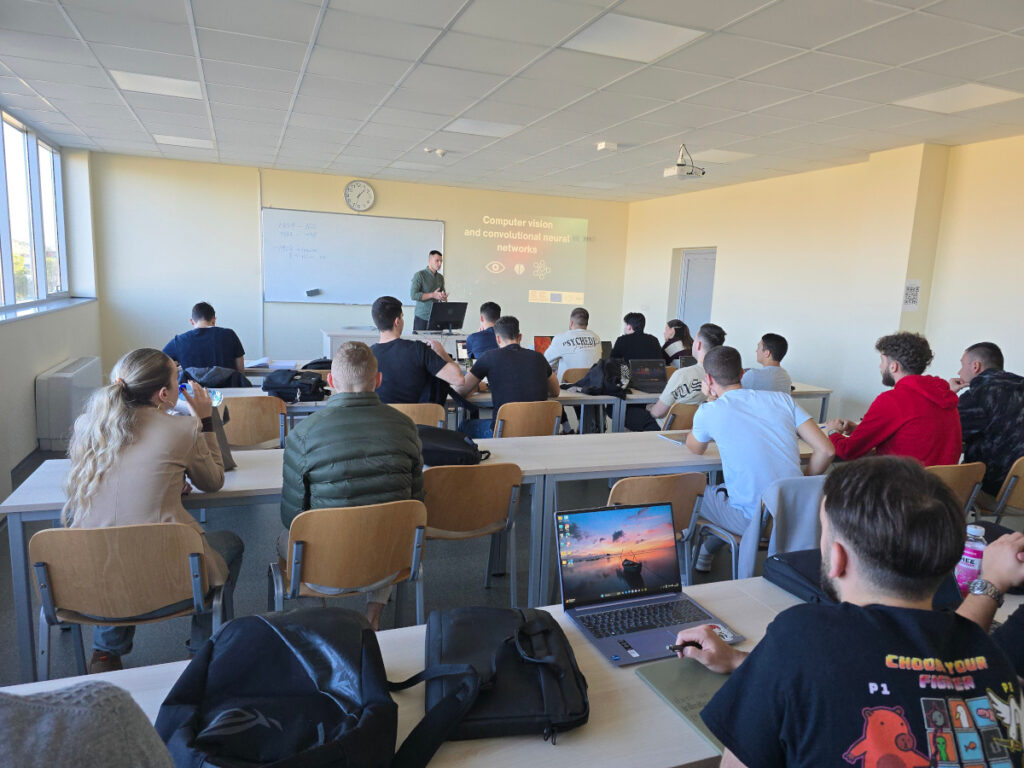
Dejan Babic giving presentation on CV &CNN supported by HPC
Computer Vision & CNNs with HPC – Short Course
From raw pixels to features and robust visual representations
Hands-on lab: building and training an image classifier
Running experiments on the NCC Montenegro HPC cluster
Participants mastered concepts quickly, asked sharp questions, and worked independently in the lab
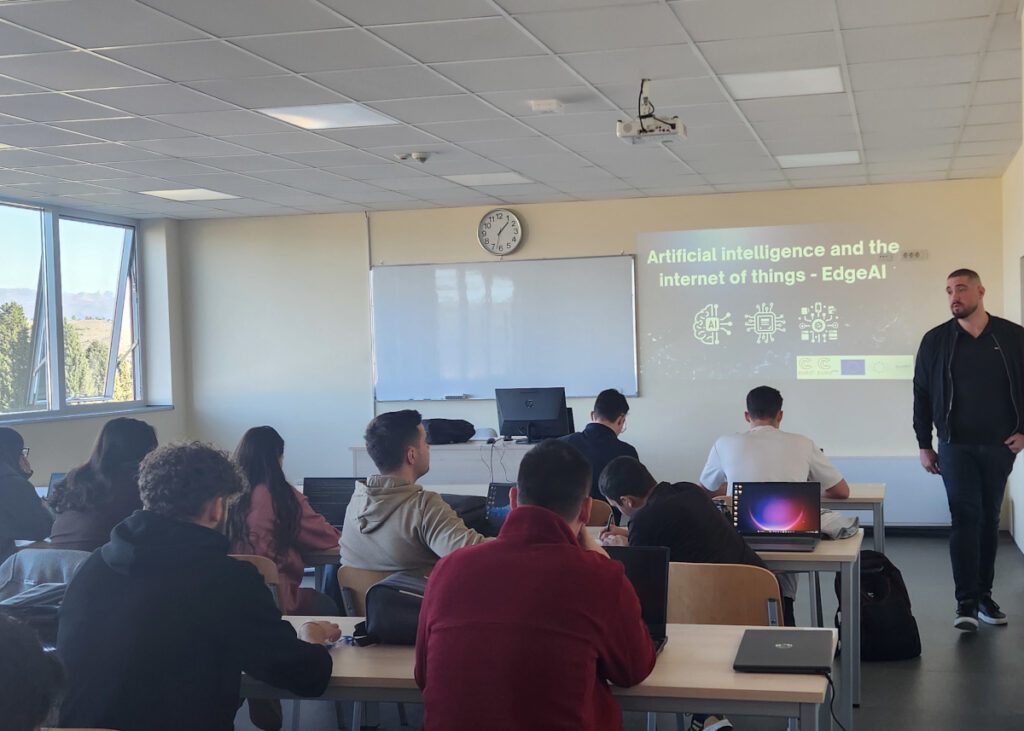
Ivan Jovovic, giving a presentation on Edge/AI supported by HPC
EdgeAI – Artificial Intelligence & the Internet of Things supported by HPC
Designing efficient AIoT data pipelines
Deciding when to process at the edge vs. in the cloud
Deploying lightweight ML models on resource-constrained devices
Model optimization using HPC infrastructure
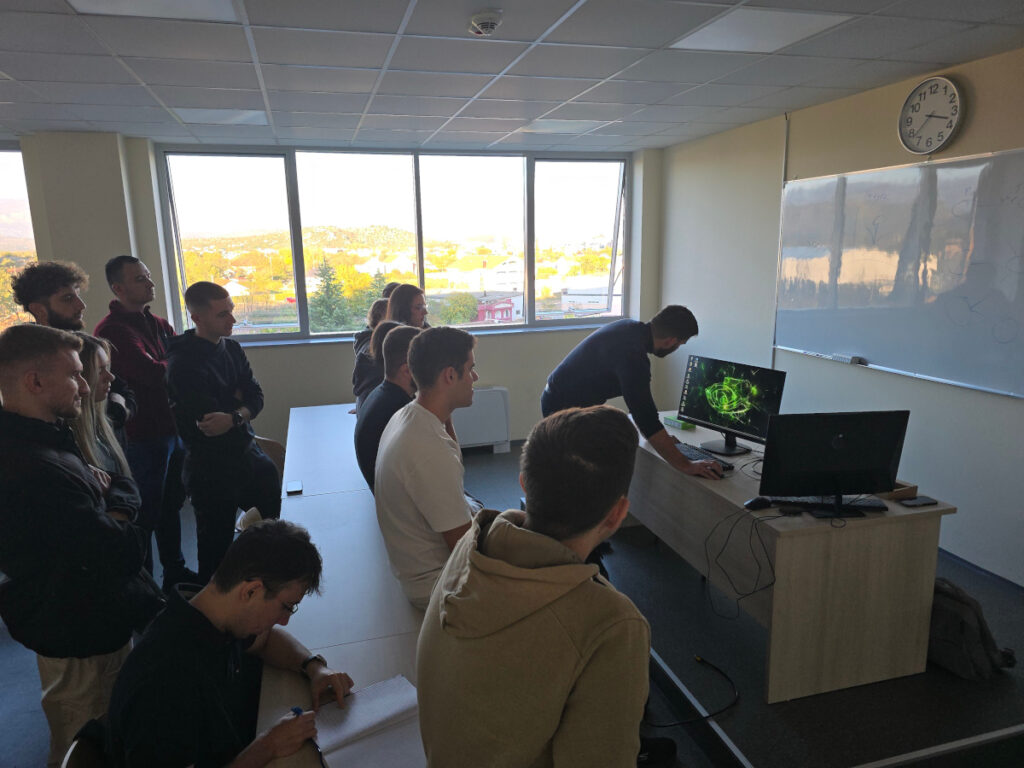
Demonstration by Elvis Taruh and Ivan Jovovic on running HPC created models on NVidia Jetson platform
Stay tuned for the next sessions and advanced workshops!
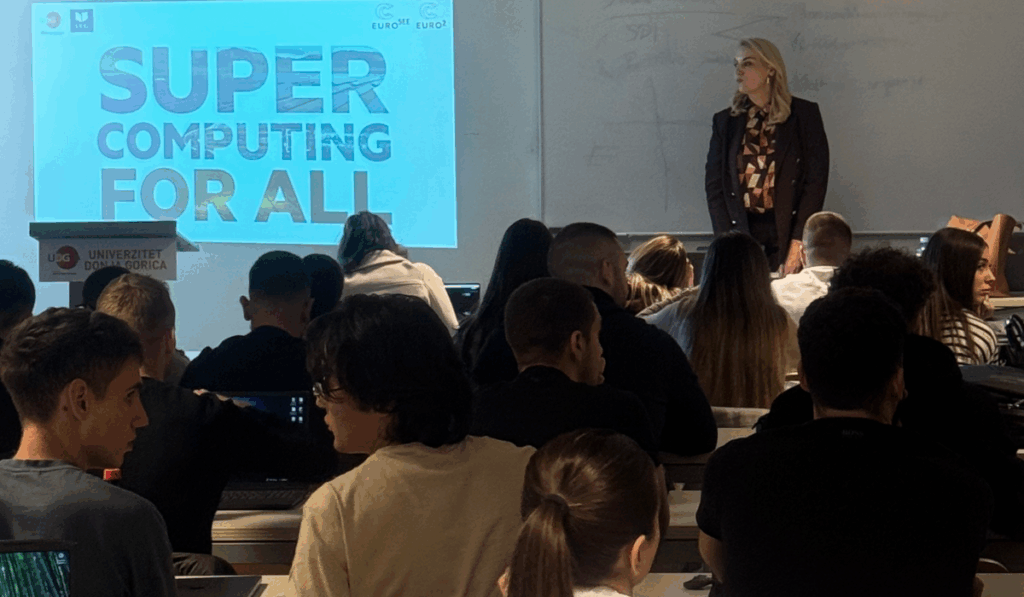
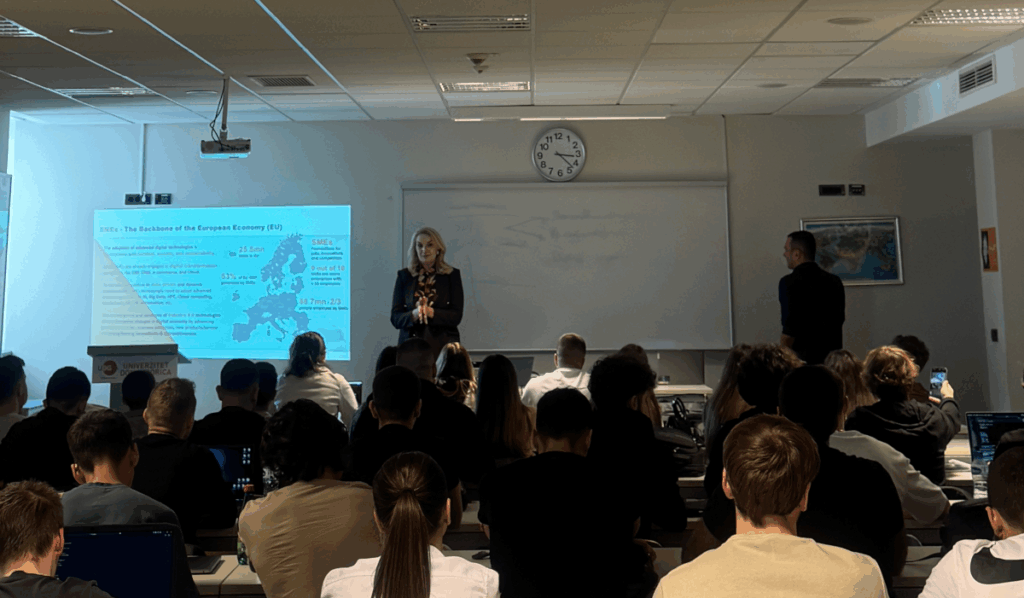
As part of the Digital Transformation course, representatives of the National Competence Centre for High-Performance Computing – NCC Montenegro, Ms. Sanja Nikolić and Dr Luka Filipović, delivered a guest lecture to final-year BSc students of the Faculty for Information Systems and Technologies (FIST) and the Faculty of Applied Sciences at the University of Donja Gorica. The session highlighted the growing strategic importance of High-Performance Computing (HPC) in research, innovation and business competitiveness.
HPC and Bussiness Opportunities for Digitial Transformation
Students were introduced to how HPC powers today’s AI systems, large-scale simulations, and data-intensive applications, and how this technological convergence opens new career and entrepreneurial opportunities. The lecture also showcased how HPC and AI are becoming critical enablers for SMEs and start-ups, transforming traditional industries and supporting advanced digital solutions in agriculture, energy, finance, and healthcare.
Ms Sanja Nikolic and Dr Luka Filipovic gave a lecture to final year students
The presenters also provided an overview of NCC Montenegro’s activities under the EuroCC/EuroCC4SEE initiative – including training opportunities, access to European supercomputers, SME onboarding support, and student involvement through research, master’s projects, and innovation-oriented proof-of-concepts. The lecture concluded with an open invitation for students to engage in upcoming NCC HPC/AI programs, internships, and applied research initiatives.
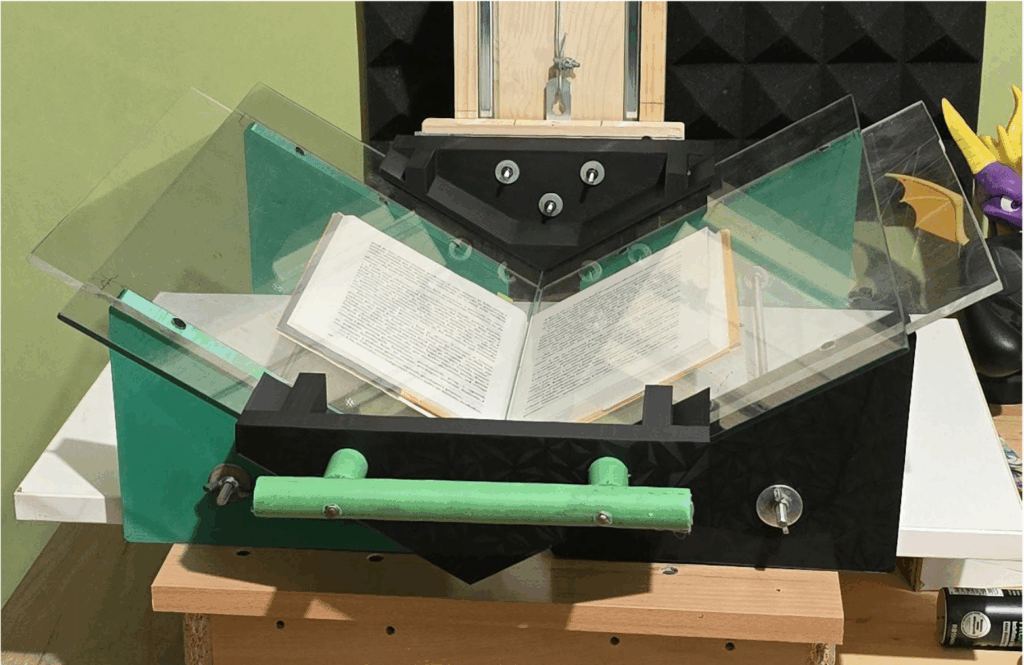
Mr. Igor Ćulafić successfully defended his master’s thesis titled “Cross-lingual Transfer Learning in Large Language Models: Scaling Laws and Parameter-Efficient Fine-Tuning for Multilingual Applications.” His research provides a comprehensive study of cross-lingual transfer for the Montenegrin language, combining a custom V-shaped semi-automated book scanner, a YOLOv11 + Tesseract OCR pipeline, and the creation of 46,661 parallel paragraph pairs. Using LoRA fine-tuning on Qwen2.5-7B and Qwen3-30B—executed on the Leonardo EuroHPC supercomputer—the work demonstrates parameter-efficient adaptation (only 1.05% trainable parameters) and offers insights into model behavior in cultural understanding, script mixing, and analytical reasoning. This research was supported by NCC Montenegro team and made use of the HPC cluster and EuroHPC JU computational resources.
V-shaped book scanner prototype used to create datasets
ABSTRACT – This thesis presents a comprehensive study of Cross-lingual transfer learning in Large Language Models with a focus on parameter-efficient fine-tuning for the Montenegrinlanguage. The research integrates the development of a custom semi-automated book scanner with V-shaped design and a computer vision pipeline using YOLO v11 models and Tesseract OCR to digitize 5000 on Montenegrin and 40000 on English language, from public domain books, resulting in 46661 parallel paragraph pairs. Implementation of LoRA fine-tuning on Qwen2.5-7B and Qwen3-30B models was conducted on Leonardo HPC supercomputer, achieving memory efficiency with only 1.05% trainable parameters. Comparative analysis through a structured benchmark of ten progressively complex questions reveals limited but positive effects of fine-tuning, where larger models show better performance in cultural understanding and analytical tasks, while systematic analysis identifies specific problems such as script mixing and cultural inaccuracies that require specialized approaches.
Ms. Ivana Lalatović successfully defended her master’s thesis titled “Application of Explainable Artificial Intelligence in Medicine” at the Faculty of Information Systems and Technologies, University of Donja Gorica.
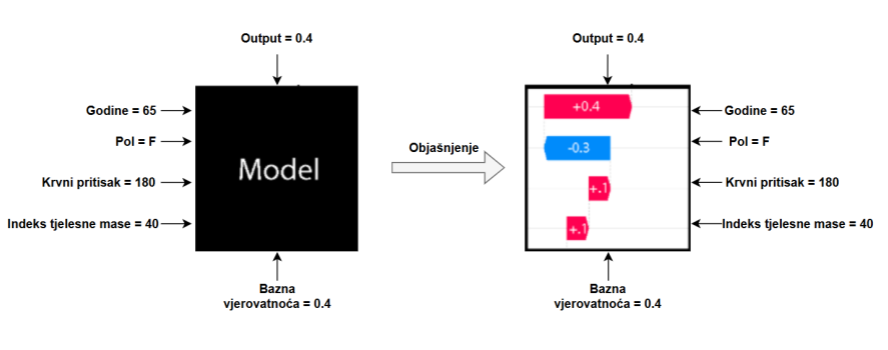
The defence took place in October 2025, and the thesis explored how modern XAI techniques—such as SHAP and LIME—can improve transparency and trust in AI models used for analysing the performance and reliability of medical respirators. The development, training, and testing of the machine learning and XAI workflows were supported by the high-performance computing (HPC) resources provided through the EuroCC initiative in Montenegro, enabling scalable data processing, faster experimentation, and reproducible analysis required for medical AI applications. Her work demonstrates how HPC-enabled explainability can strengthen the safety, reliability, and ethical use of AI in healthcare environments, contributing to the growing ecosystem of advanced AI research supported by NCC Montenegro.
SHAP utilisation
ABSTRACT – The need for explainable intelligent systems is growing along with the increase in artificial intelligence products used in everyday life. Explainable artificial intelligence (XAI) has experienced significant growth in the last few years. The reason for this is the wide application of machine learning, as well as deep learning techniques, which have led to the development of highly accurate models. However, they lack explainability and interpretability. This study explores the application of XAI methods in medical applications, with a particular focus on interpreting model decisions. SHAP and LIME methods were applied to interpret the model’s predictions, enabling the identification of key features that have the greatest influence on the model’s decisions. The results of this research confirm the importance of explainable artificial intelligence in critical domains such as medicine, where trust in AI systems must be based on understanding and verifiability of their decisions.
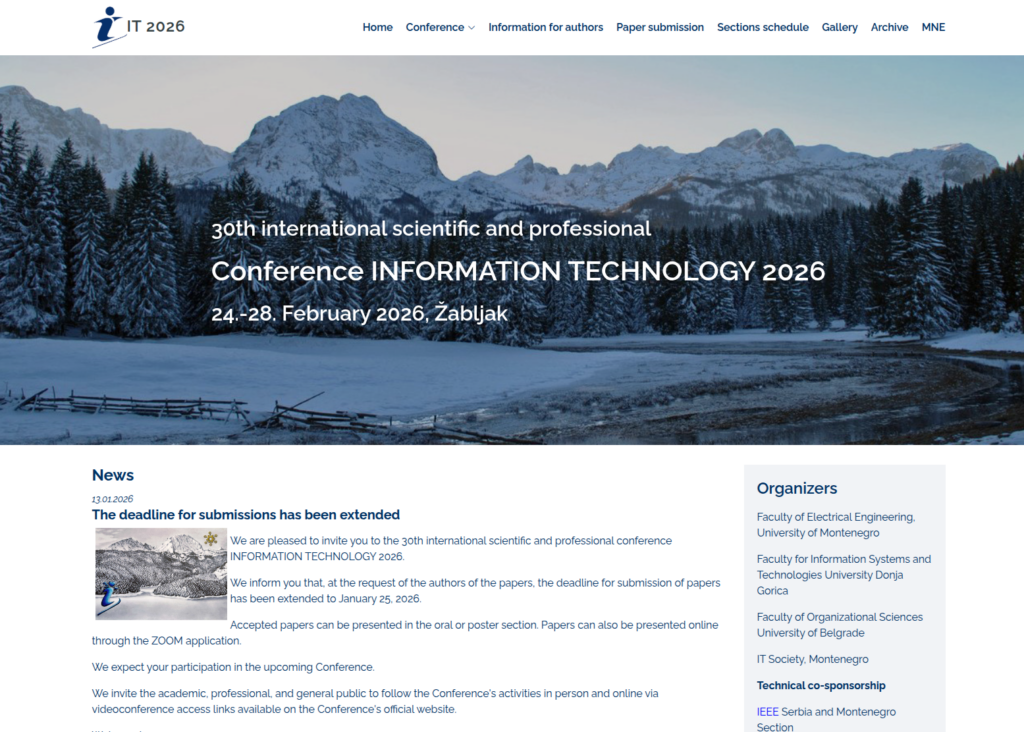
The jubilee 30th International Conference INFORMATION TECHNOLOGIES 2026 will be held from 24 to 28 February 2026 in Podgorica and Žabljak. The ceremonial academy on the occasion of the jubilee will be held in Podgorica on 24 February, and the working part of the conference will take place from 25 to 28 February in Žabljak. The Conference will feature lectures and round-table discussions on trends in the development of information and communication technologies worldwide, as well as current events in this field in Montenegro. In agreement with the Conference Organizing Committee, interested institutions may organize presentations of their scientific-research, professional, development, and production projects and achievements.
Clic on image to open IT2025 website
Authored papers submitted for presentation will be peer-reviewed and selected based on the complete paper. Papers should be prepared according to the instructions, which can be downloaded here: Instructions.doc.
Accepted papers written in English will be proposed for inclusion in IEEE Xplore, provided they meet the scope and quality requirements of IEEE Xplore, while other papers will be published in the IT conference proceedings.
Papers are submitted via Microsoft’s CMT system, which can be accessed through the “Paper submission” item in the menu. If you do not have an account on the Microsoft CMT system, you can create one via the same link.
We look forward to your support, suggestions and participation in the upcoming IT conference.
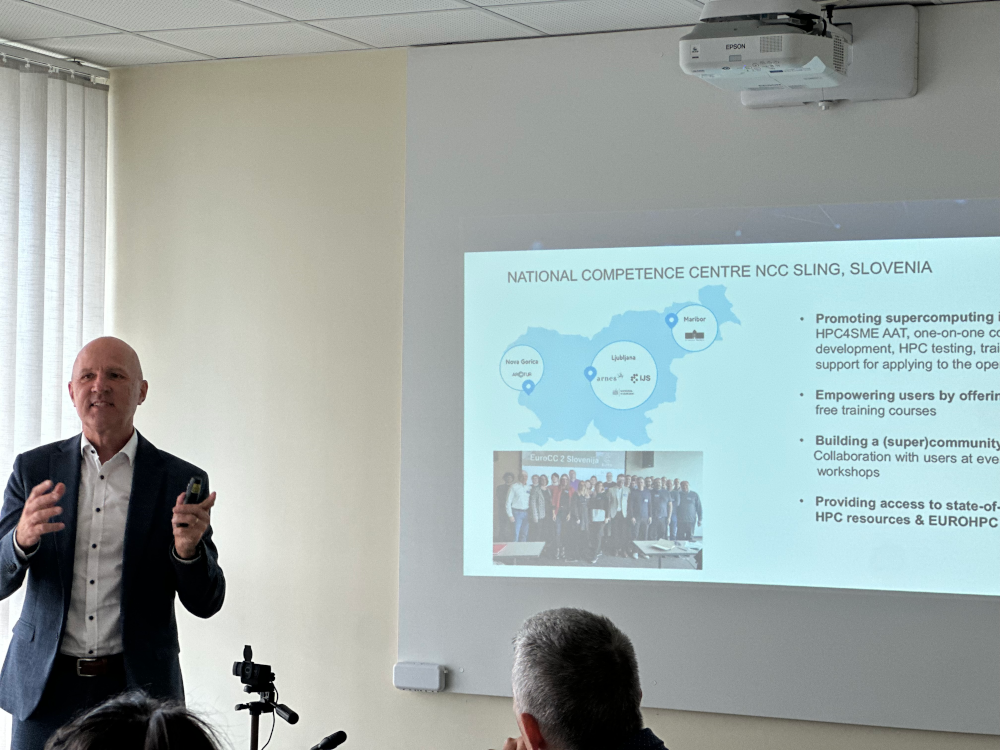
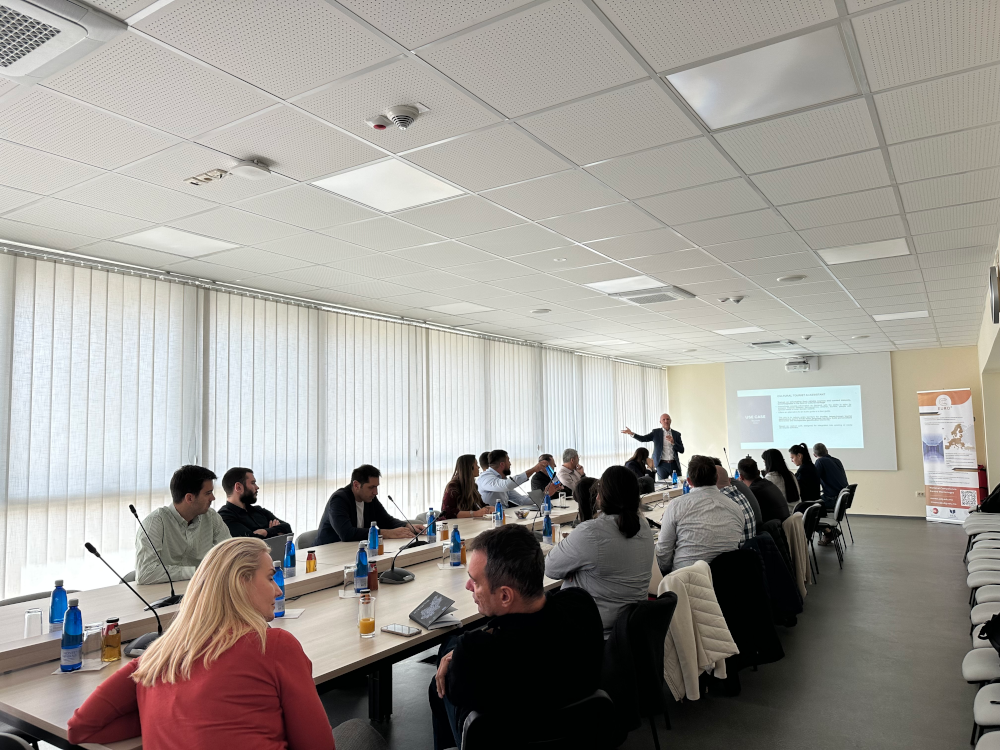
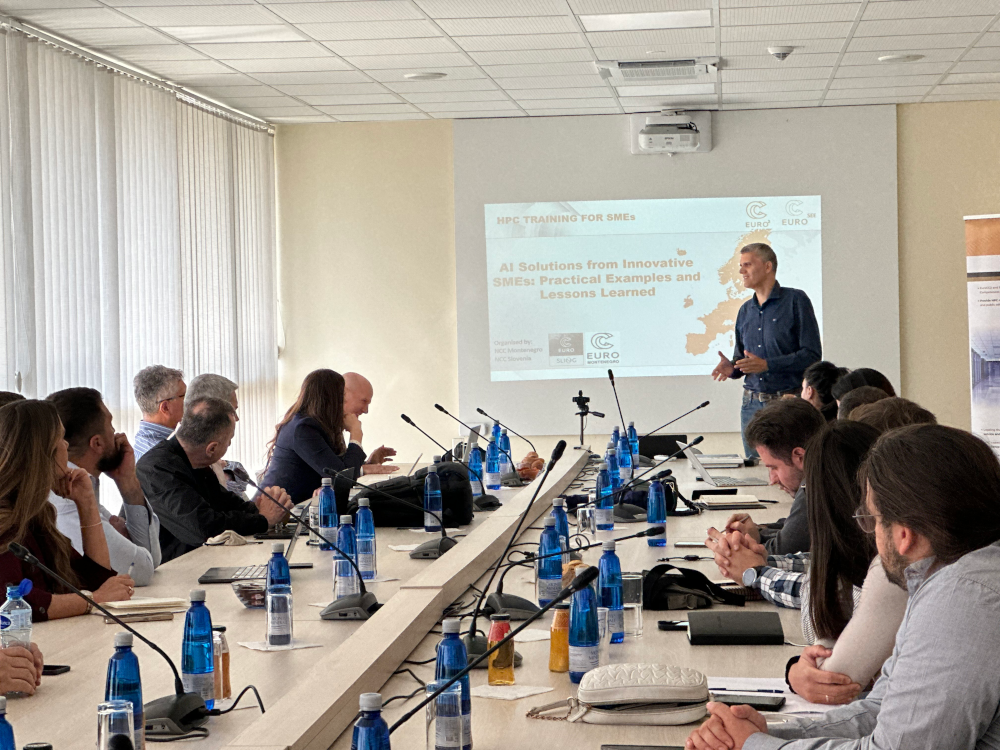
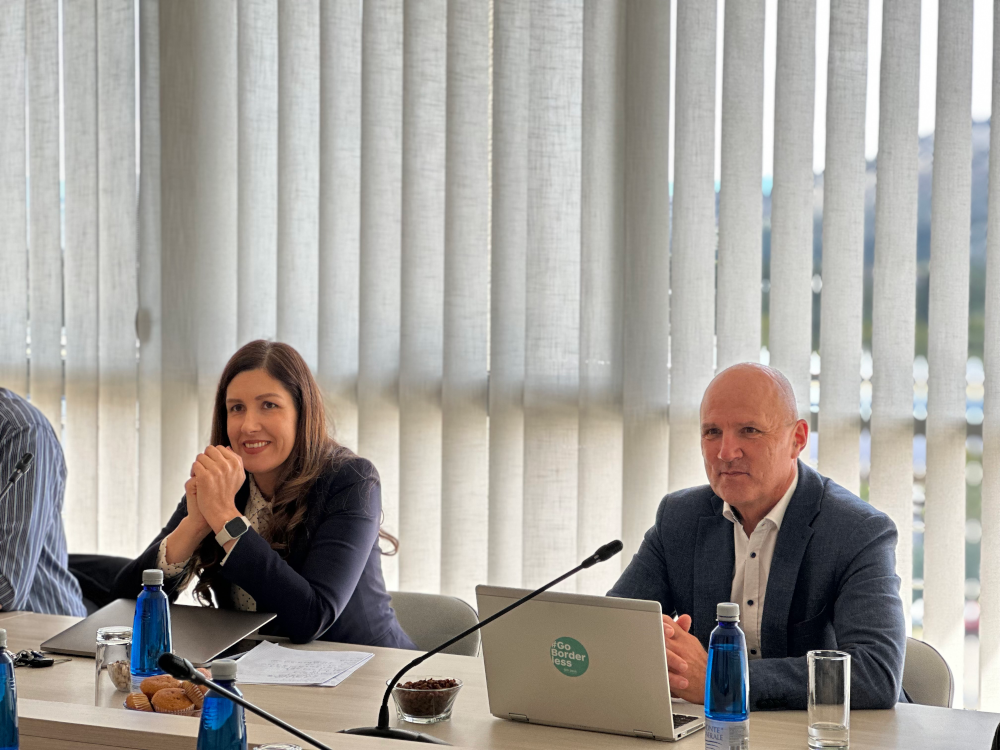
NCC Montenegro, in collaboration with the NCC Slovenia, organized a collaborative workshop and training AI Solutions from Innovative SMEs: Practical Examples and Lessons Learned on October 7, 2025 in Podgorica at University of Donja Gorica. The workshop focused on the opportunities and advantages of HPC and AI technologies in the business sector and best practices in the industry. Approximately 25 participants attended the workshop, including industry experts who deal daily with research and practical examples in the field of artificial intelligence based on HPC.
Tomi Ilijas, NCC Slovenia, Arctur
Tomi Ilijaš, representing Arctur and the NCC SLING initiative in Slovenia, discussed the emerging opportunities for SMEs within the HPC ecosystem. He introduced support structures aimed at making advanced computing more accessible to smaller businesses and highlighted case studies of SME innovation enabled by HPC services.
Presentation on lessons learned and new opportunities for the industry
Ilijaš highlighted two of Arctur’s valuable use cases, CLASSICA and LLMs4EU. These projects are powered by supercomputers and AI, enabling faster workflows and precise analysis. Use case in tourism LLMs4EU aims to reduce entry barriers for smaller, lesser-known tourist destinations and to break down language barriers, build personalized itineraries and incorporate gamification elements. Based on vertical LLM, designed for integration into existing or newly developed software. The main goal of the CLASSICA project – the use of AI technology for cancer classification in the operating theatre. Ilijaš presented the project activities and highlighted the importance of AI technology for image recognition and tissue classification.
NCC Monteengro moderated the discussion
The second part of the workshop focused on the FFplus call Innovative studies for SMEs. FFplus is a successor to previous Fortissimo projects (Fortissimo, Fortissimo-2, FF4EuroHPC; 2013-2023). Both, NCC Montenegro and NCC Slovenia representatives, explaines and announce to the Montenegrin SMEs the Innovative studies call which will be open in December 2025. This call will support European SMEs and Start-ups already active in the field of generative AI technology, which lack the necessary computational resources to scale up.
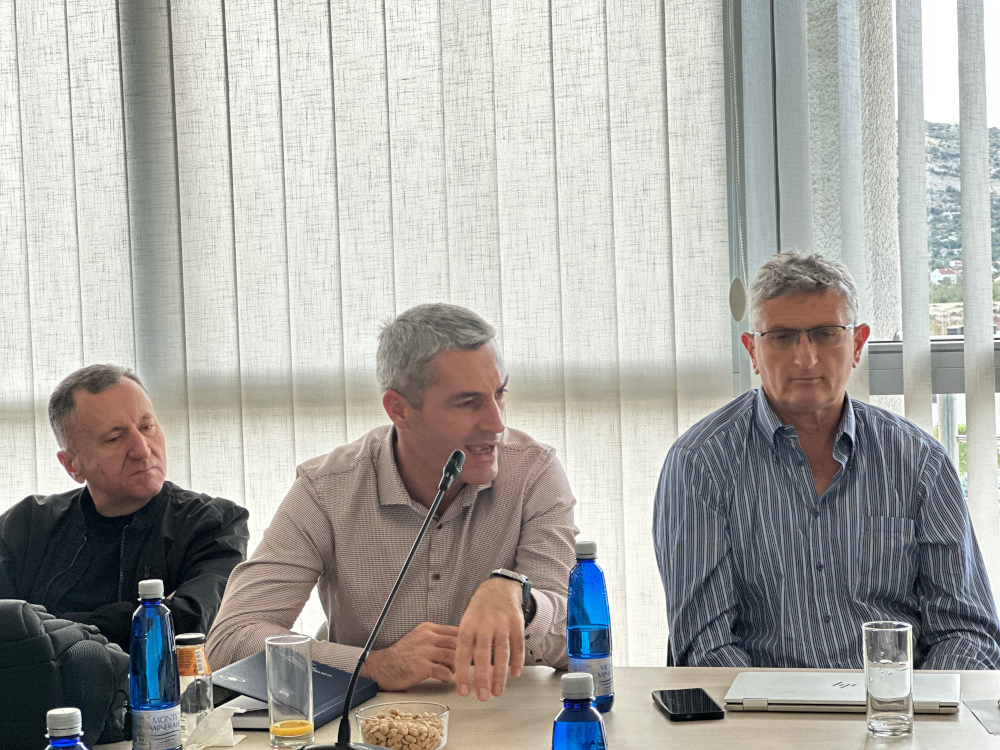
Representatives from NCC Montenegro
After the presentation, there were questions and answers sesion. During Q&A sesion representatives from SMEs shared their experiences and highlighted importance of cooperation with NCC Montenegro.
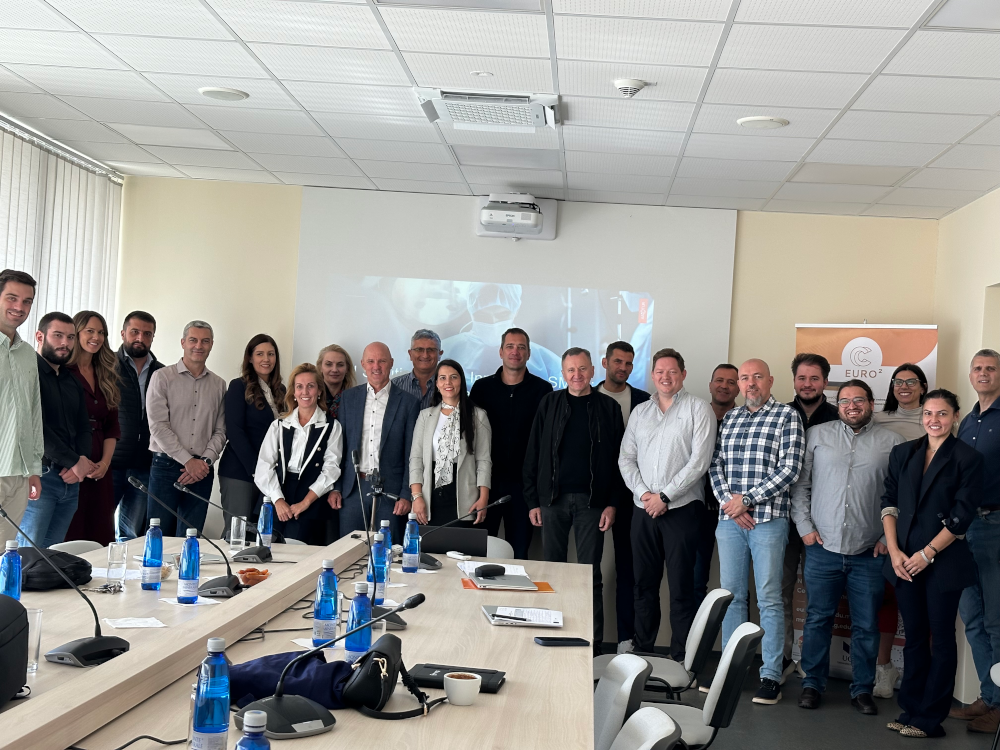
We had a good presence of SMEs interested in new EuroHPC and FFPlus callsGroup photo from the workshop
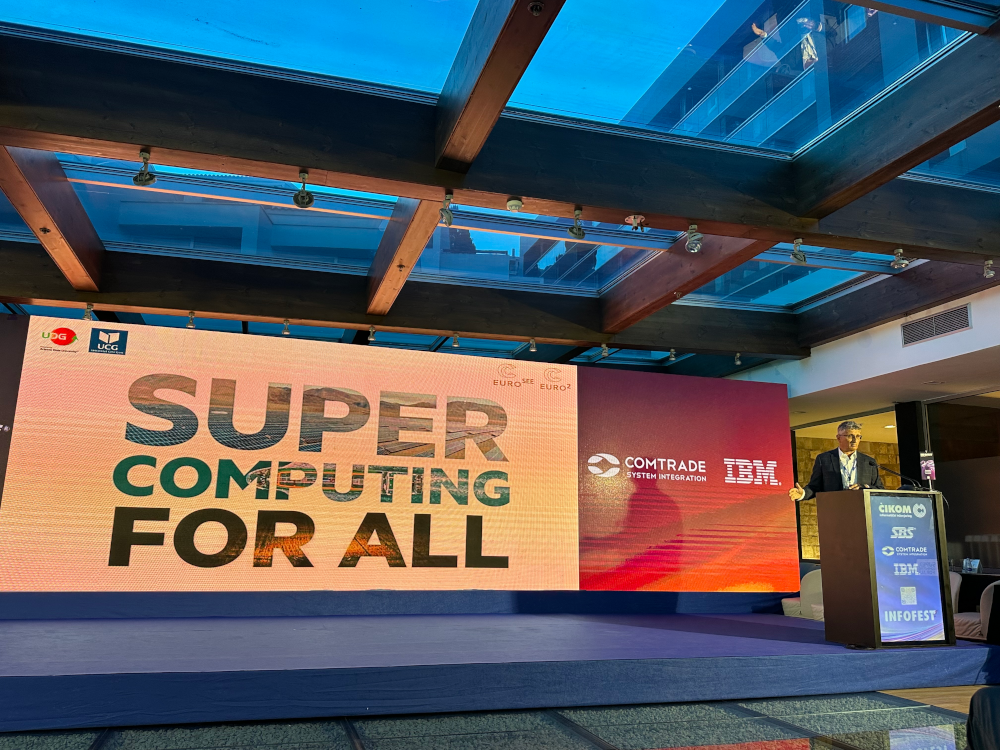
Infofest (Festival of IT Achievements) is a traditional international event in the field of information and communication technologies, organized in Montenegro since 1994.
The aim of Infofest is to bring together experts from academia, industry, and the public sector, as well as technology companies, IT enthusiasts, and the media — to exchange knowledge, present innovative solutions, and initiate discussions on current challenges and perspectives of digital transformation.
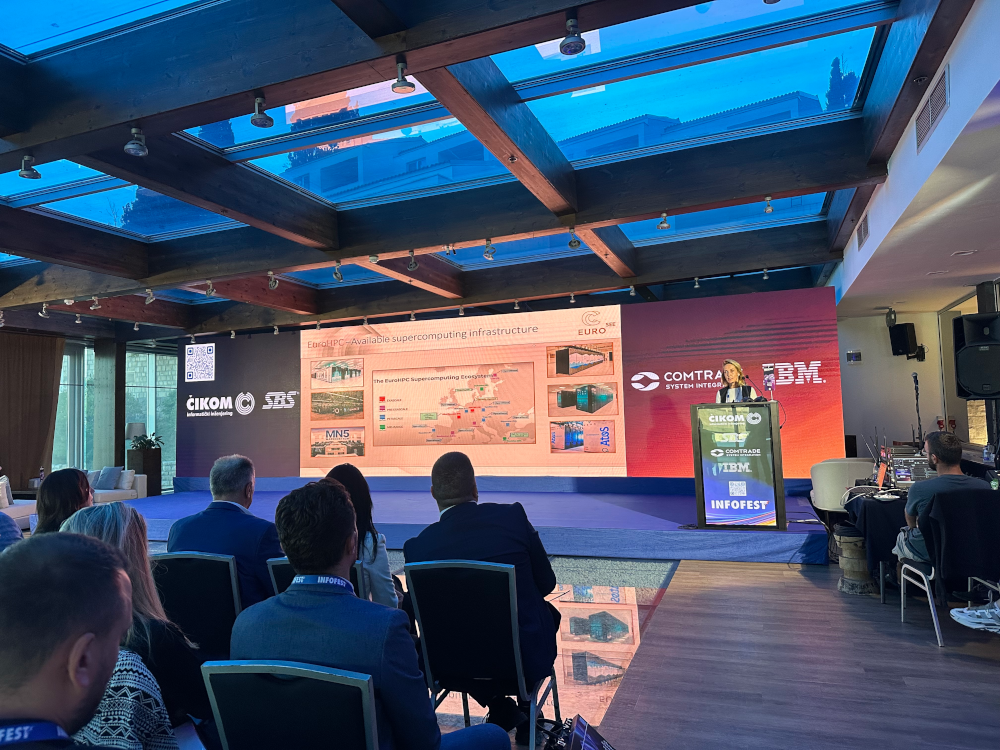
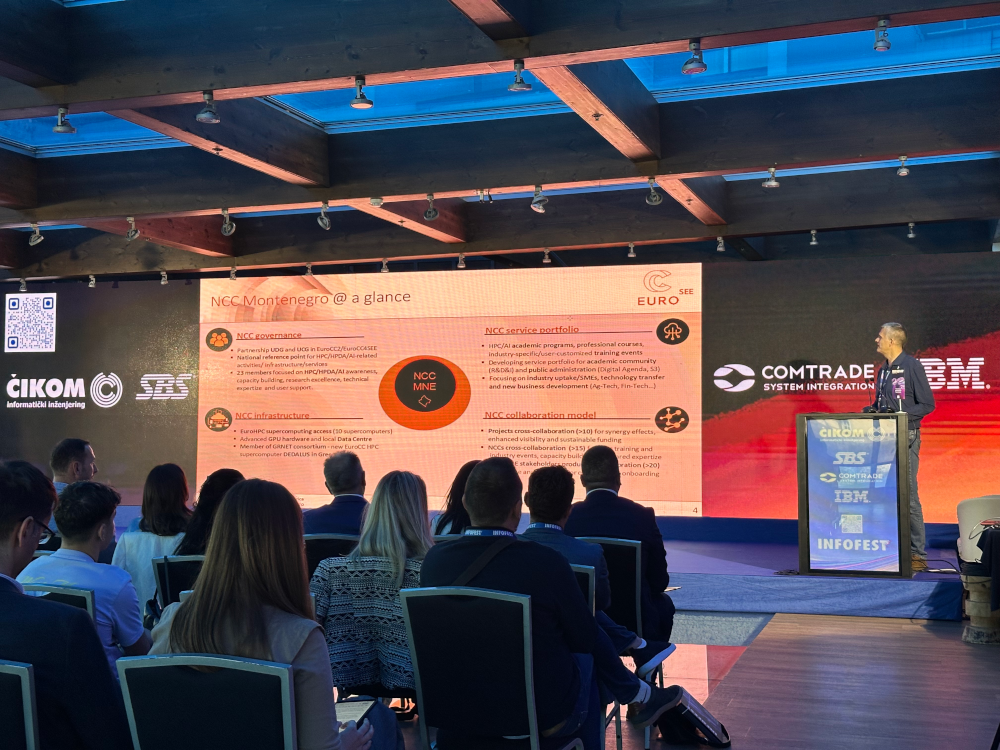
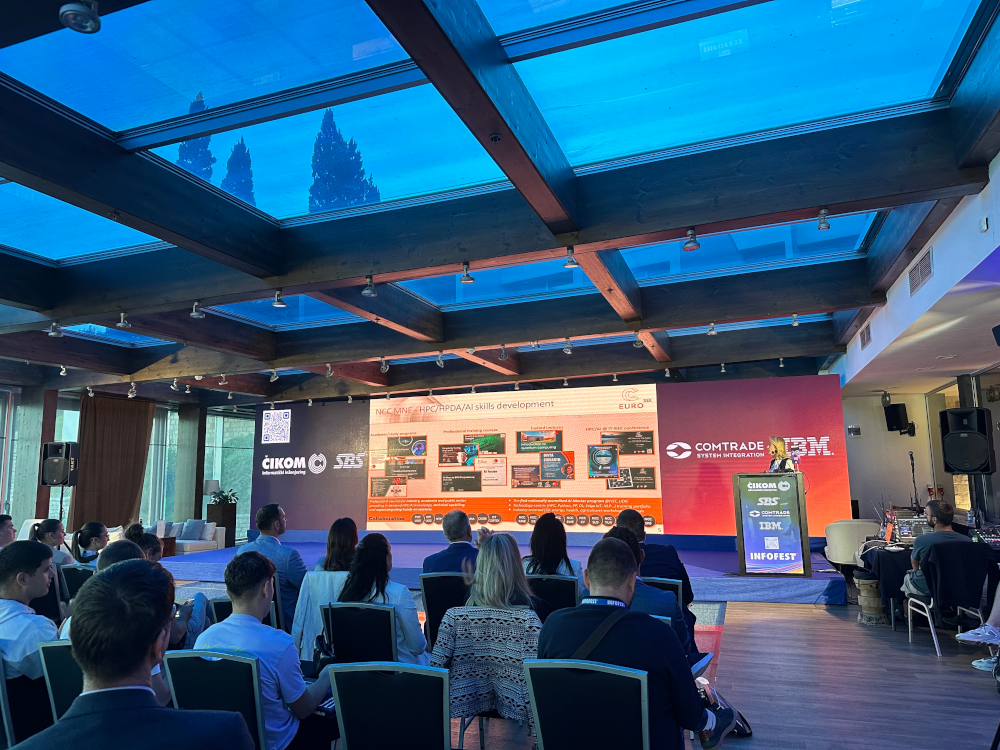
NCC Montenegro presenting activities and services offered
Over the years, Infofest has established a strong reputation as a festival that promotes the latest topics in the ICT sector, such as artificial intelligence, cloud computing, cybersecurity, digital transformation, regulation and ethics in technology, e-governance, and more. Infofest 2025 was held in Budva, from September 28 to October 1, 2025.
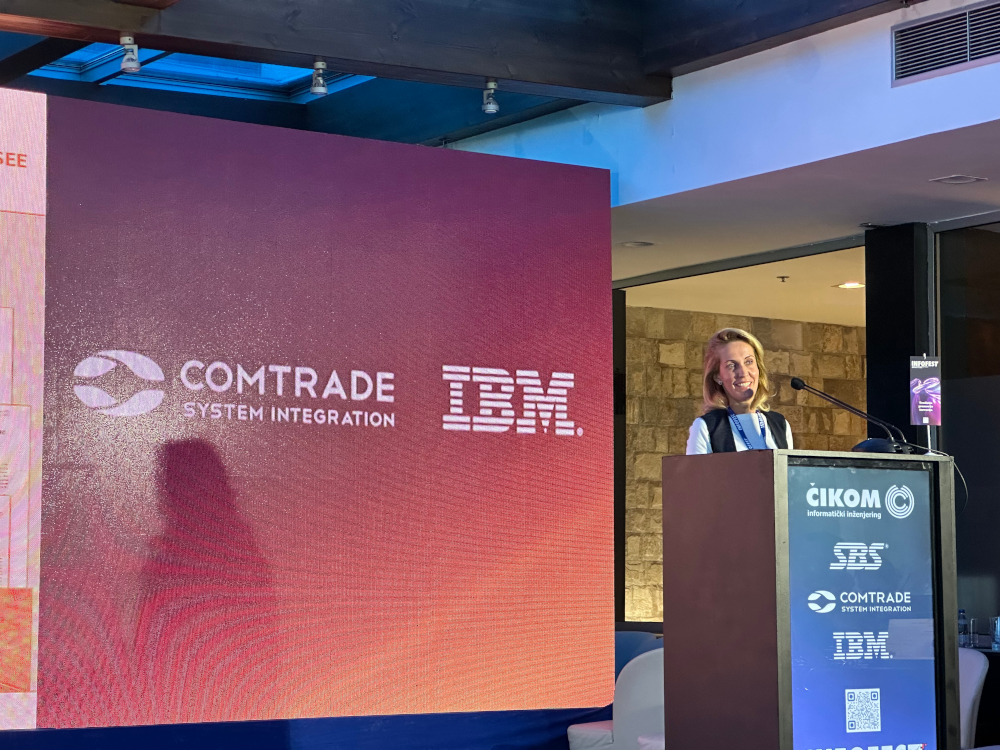
Dr Sandra Tinaj, NCC Montenegro, UDG
The National Competence Center for High Performance Computing – NCC Montenegro actively participated in Infofest 2025, presenting projects and services in the fields of supercomputing (HPC) and artificial intelligence (AI).
Dr Tomo Popovic, NCC Montenegro, UDG
Representatives of the University of Donja Gorica, Sandra Tinaj and Tomo Popović, together with Božo Krstajić from the University of Montenegro, delivered a presentation on the activities of NCC Montenegro, with a special focus on the services offered by the Center, as listed and described on the official platform.
Dr Bozo Krstajic, NCC Montenegro, ETF/UCG
During the event, bilateral meetings were held with representatives of IT companies and public sector institutions interested in collaboration and the implementation of HPC and AI solutions in their organizations.
Infofest was attended by the representatives from industry and academia (Montenegro and the region)
By participating in Infofest, NCC Montenegro further strengthens its role in the development of Montenegro’s digital economy and innovation ecosystem, connecting academia, researchers, and industry in a shared mission to advance knowledge and technological progress.