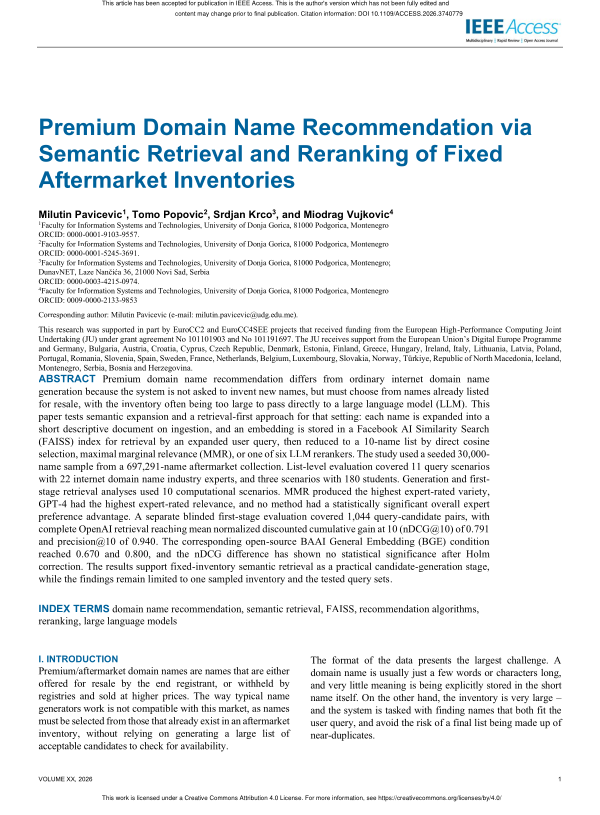
A new scientific paper titled “Premium Domain Name Recommendation via Semantic Retrieval and Reranking of Fixed Aftermarket Inventories” has been published in the international journal IEEE Access. The research was conducted by Milutin Pavićević, Tomo Popović, Srđan Krčo, and Miodrag Vujković from the University of Donja Gorica (UDG) and DunavNET.
The study addresses the challenge of recommending relevant premium domain names from large collections of domains already available for resale. The researchers developed and evaluated an approach combining large language models (LLMs), semantic embeddings, vector search using FAISS, and different reranking strategies. Experiments were conducted on 30,000 domain names sampled from a collection of nearly 700,000 premium domains, with evaluations involving 22 industry experts and 180 students. The results demonstrated the potential of semantic retrieval to improve domain name recommendations while balancing relevance, diversity, and computational cost.
Click on image to open
The research also has clear potential for industrial application. Alicorn, a Montenegro-based software company specializing in solutions for the domain name industry, is already developing AI-powered domain name recommendation technologies, including its Name Sentinel platform. The methods investigated in this study could contribute to further improving such solutions, particularly through more effective semantic search and recommendation of premium domains.
The research represents another example of research and innovation supported by European initiatives and connected with the activities of HPC Montenegro (NCC Montenegro), contributing to the development of AI expertise and stronger links between academia and industry.
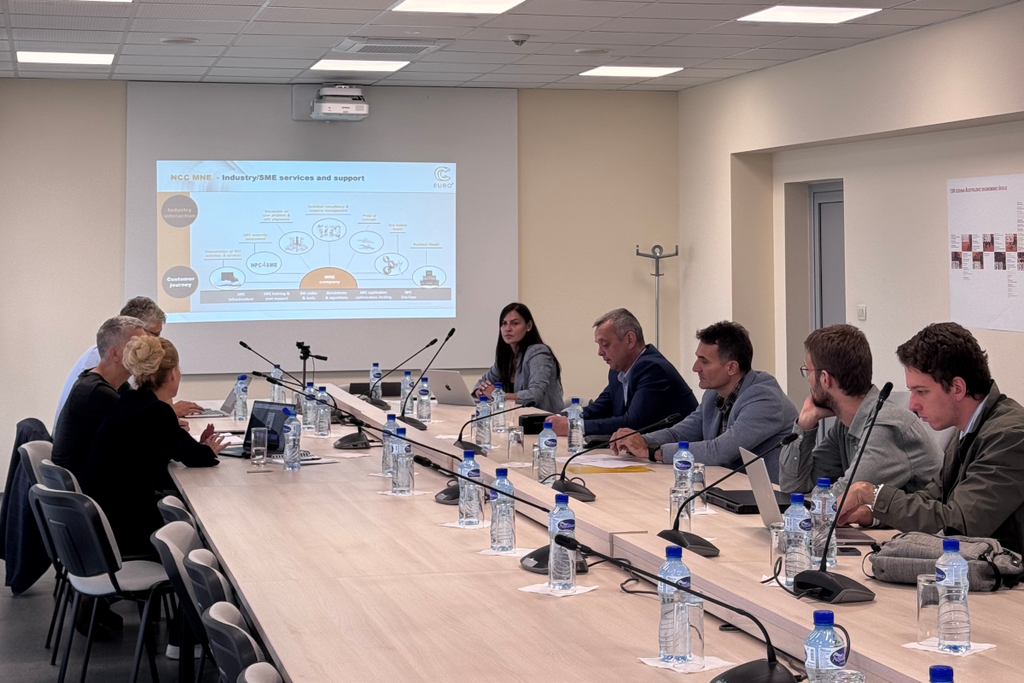
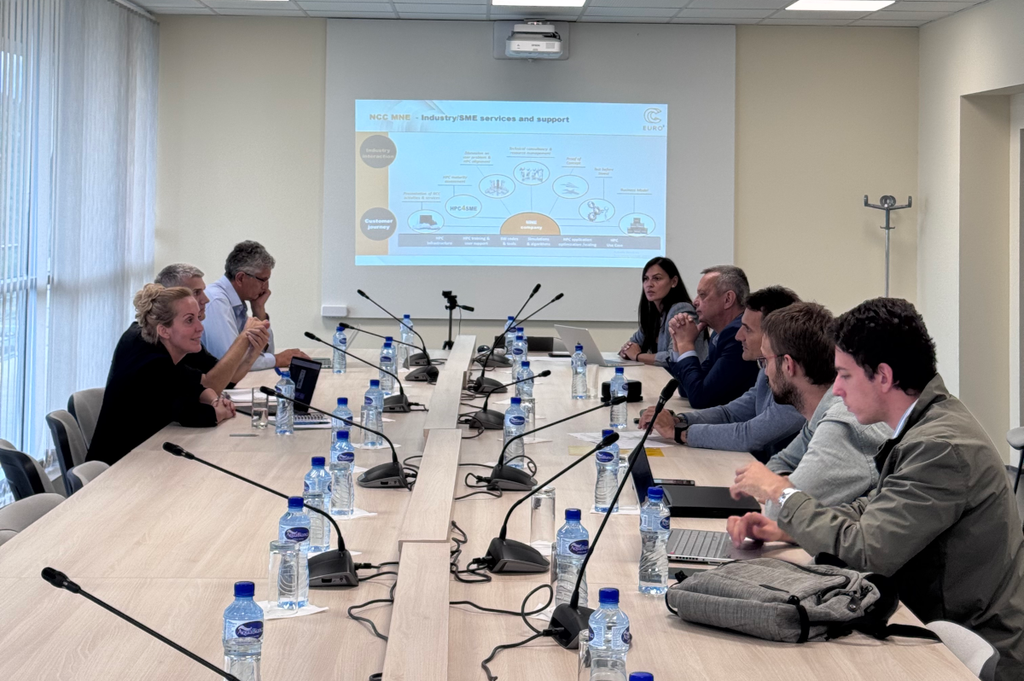
The National Competence Centre for High-Performance Computing (HPC Montenegro) held an initial consultation meeting with representatives of Elektroprivreda Crne Gore (EPCG), one of Montenegro’s largest enterprises and a key player in the national energy sector, to explore opportunities for applying advanced computing and artificial intelligence technologies in the power industry.
During the meeting, HPC Montenegro presented its activities within the EuroCC3 project, available services, access to HPC infrastructure, expert support, and training opportunities. EPCG representatives outlined their digital transformation plans, including the development of integrated data infrastructure where HPC and AI technologies could play an important role.
The discussion explored potential applications of advanced analytics and AI/ML technologies, including solar energy data analysis, satellite and thermal image processing, and predictive modelling of electricity generation and consumption. Opportunities for collaboration through European research and innovation projects were also discussed.
As a next step, EPCG will assess priority areas and the availability of data for potential pilot activities, while HPC Montenegro will share relevant success stories and proposals for further cooperation. Specific use cases and follow-up activities will be discussed in future consultations.
The meeting was attended by EPCG representatives Jovan Kasalica, Anton Radonić and Vuk Kasalica, together with representatives of HPC Montenegro: Sandra Tinaj, Tomo Popović, and Bojana Mališić from the University of Donja Gorica (UDG), and Božo Krstajić and Lazar Šćekić from the Faculty of Electrical Engineering at the University of Montenegro (UCG).
This engagement represents an important step in HPC Montenegro’s efforts to strengthen cooperation with large industrial users in Montenegro and promote the adoption of advanced computing technologies in strategically important economic sectors.
As part of its ongoing efforts to strengthen the engagement of public enterprises and institutions in the use of advanced computing technologies, HPC Montenegro held a working meeting with representatives of the Port of Bar to explore opportunities for cooperation and the application of High-Performance Computing (HPC) in areas of strategic importance.
During the meeting, a presentation was delivered highlighting the capacities, services, and opportunities offered by HPC Montenegro, with a particular focus on the potential of advanced computing resources to support complex data analysis, evidence-based decision-making, and the development of innovative solutions in the public sector.
Port of Bar (source: lukabar.me)
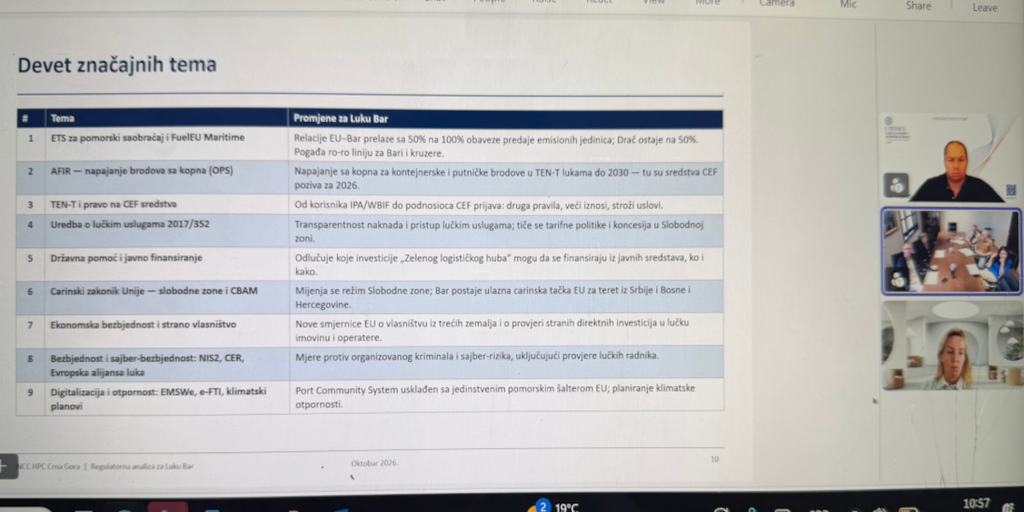
Special attention was given to the potential application of HPC technologies in the analysis of European Union policies, regulatory frameworks, and strategic development priorities. The discussion highlighted how advanced computing and data-driven approaches could support more effective policy analysis, strategic planning, and informed decision-making, particularly in areas relevant to the maritime and transport sectors.
The meeting resulted in an agreement to establish cooperation with HPC Montenegro in the coming period, with both sides expressing their commitment to identifying priority areas and defining concrete activities where HPC technologies could contribute to the Port of Bar’s operational and strategic development.
HPC Montenegro and Port of Bar online meeting.
The meeting was attended by Sandra Tinaj and Božidar Vlačić and provided an opportunity for a constructive exchange of ideas, experiences, and perspectives on future collaboration.
Following the alignment of cooperation priorities and the identification of specific joint activities, the next working meeting is planned for November, when further steps and opportunities for implementing joint initiatives will be discussed.
This initiative represents another important step in HPC Montenegro’s mission to bring High-Performance Computing closer to public enterprises and institutions in Montenegro, promoting its wider adoption as a driver of digital transformation, innovation, and data-driven strategic development.
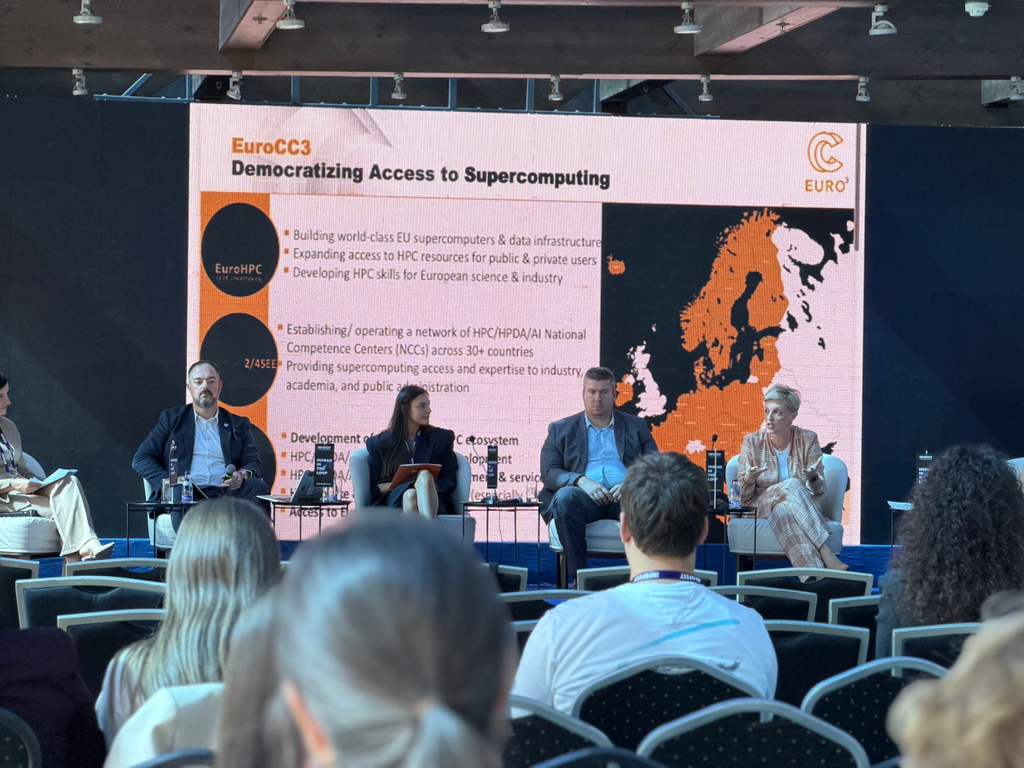
The National Competence Centre Montenegro (NCC Montenegro), operating within the EuroCC3 project, was presented at INFOFEST 2026, the largest regional festival of information technology achievements, held from 27 to 30 September 2026 at Hotel Avala Resort & Villas in Budva, Montenegro, under the slogan “Human in the Loop”.
This year’s edition of the festival brought together several hundred participants from Montenegro and the region, including representatives of the technology and telecommunications industry, banking, energy, public administration, education, and the academic and media communities. Over three days, the programme addressed cyber resilience and new regulatory frameworks (NIS2, DORA), the role of the IT community in responding to natural disasters, digital infrastructure and energy, the labour market, the digital transformation of public services, education for a world shaped by artificial intelligence, child protection online, trust and security in the digital space, and the impact of AI on the media. The key message of INFOFEST 2026 was that while artificial intelligence is changing the rules, decisions and responsibility must remain with people.
The EuroCC3 project and the activities of NCC Montenegro were presented by Bojana Mališić, member of the EuroCC3 project team, as part of the INFOFEST Impact Forum, the festival’s special closing programme dedicated to projects, funding and impact. She outlined the role of the National Competence Centre Montenegro in building the national HPC and AI ecosystem, democratizing access to European supercomputing infrastructure, and supporting SMEs, academia, and public administration in adopting advanced digital technologies, including the opportunities available through the EuroHPC Joint Undertaking, which provides free access to world-class European supercomputing infrastructure and expertise.
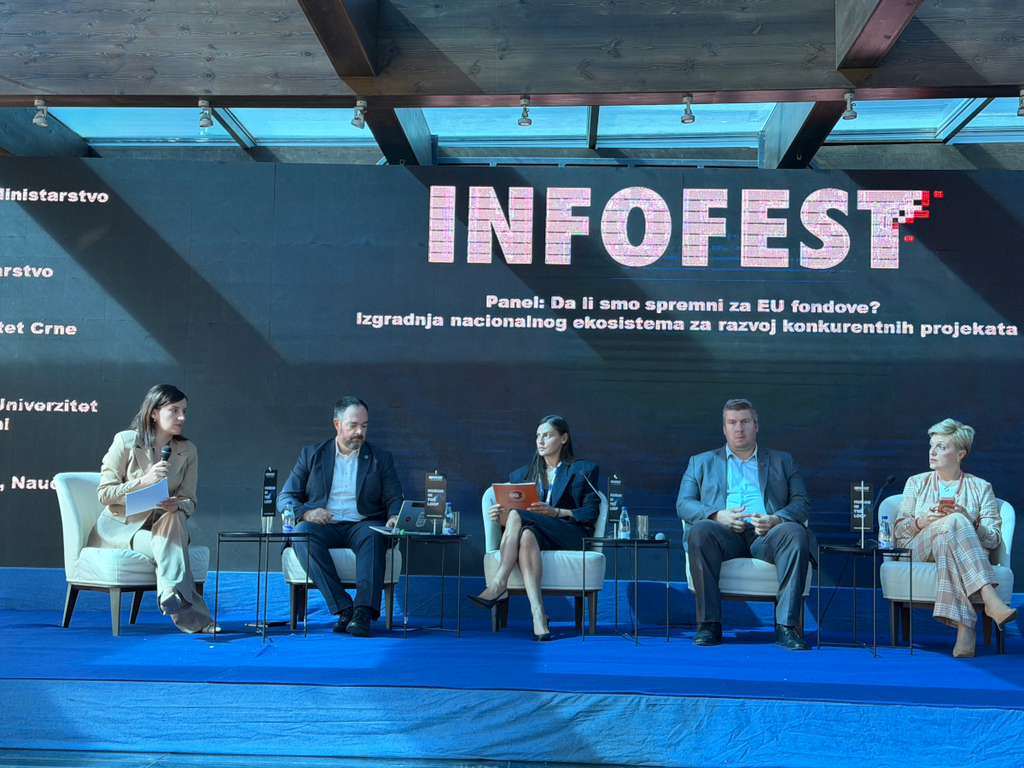
Panel Session: Are We Ready for EU Funds?
As part of the INFOFEST Impact Forum, a panel session titled “Are We Ready for EU Funds? Building a National Ecosystem for Developing Competitive Projects” was organized, bringing together representatives of key national institutions, academia, and the innovation ecosystem: Marko Vukašinović (Ministry of Education, Science and Innovation), Bojan Vujović (Ministry of European Affairs), Branka Žižić (University of Montenegro, Office for Internationalization), Bojana Mališić (University of Donja Gorica, EuroCC3), and Valentina Radulović, MSc (Science and Technology Park of Montenegro, Director).
The panel addressed the readiness of Montenegrin institutions, universities, and companies to successfully apply for and implement projects funded through European Union programmes. The discussion focused on the need to build a connected national ecosystem in which public administration, the academic community, innovation infrastructure, and the business sector work together to develop competitive project proposals, strengthen capacities for project preparation and management, and establish strong international partnerships. Particular attention was given to the role of competence centres such as NCC Montenegro in connecting national stakeholders with European initiatives, providing access to advanced computing resources and expertise, and helping SMEs and research teams turn ideas into fundable, high-impact projects.
The panel session demonstrated that access to EU funds is not only a matter of individual project proposals, but of a coordinated national ecosystem — one in which competence centres, institutions, and the business community jointly create the conditions for Montenegro to make full use of European opportunities in research, innovation, and digital transformation.
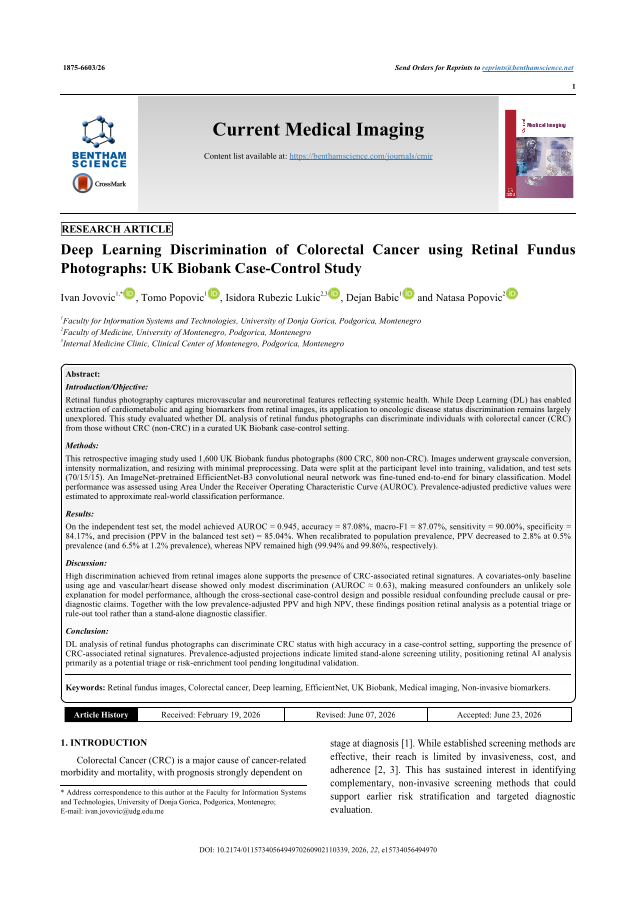
A new scientific paper developed within the AI-AGE research project, implemented by the University of Donja Gorica (UDG) and the University of Montenegro, has been published in the international journal Current Medical Imaging. The study, titled “Deep Learning Discrimination of Colorectal Cancer using Retinal Fundus Photographs: UK Biobank Case-Control Study,” explores the potential of artificial intelligence (AI) to identify retinal imaging patterns associated with colorectal cancer.
Using 1,600 retinal fundus images from the UK Biobank dataset, the researchers developed a deep learning model based on EfficientNet-B3, achieving an AUROC of 0.945 on an independent participant-level test set. The findings suggest that retinal images may contain valuable information about systemic diseases beyond the eye, opening possibilities for future non-invasive screening and risk assessment approaches. However, further clinical validation is required before such methods can be considered for practical healthcare applications.
Click on image to open
The research represents an important achievement for the AI-AGE project and demonstrates the growing potential of advanced AI methods in biomedical research in Montenegro. The project benefits from synergies with HPC Montenegro (NCC Montenegro) and the EuroCC initiatives, which support the development of national competencies in High-Performance Computing (HPC), data analytics, and artificial intelligence. This collaboration contributes to strengthening the research infrastructure and expertise needed for computationally demanding medical AI applications.
The AI-AGE project is implemented by the Faculty for Information Systems and Technologies at UDG and the Faculty of Medicine at the University of Montenegro, with funding from the Ministry of Education, Science and Innovation of Montenegro.
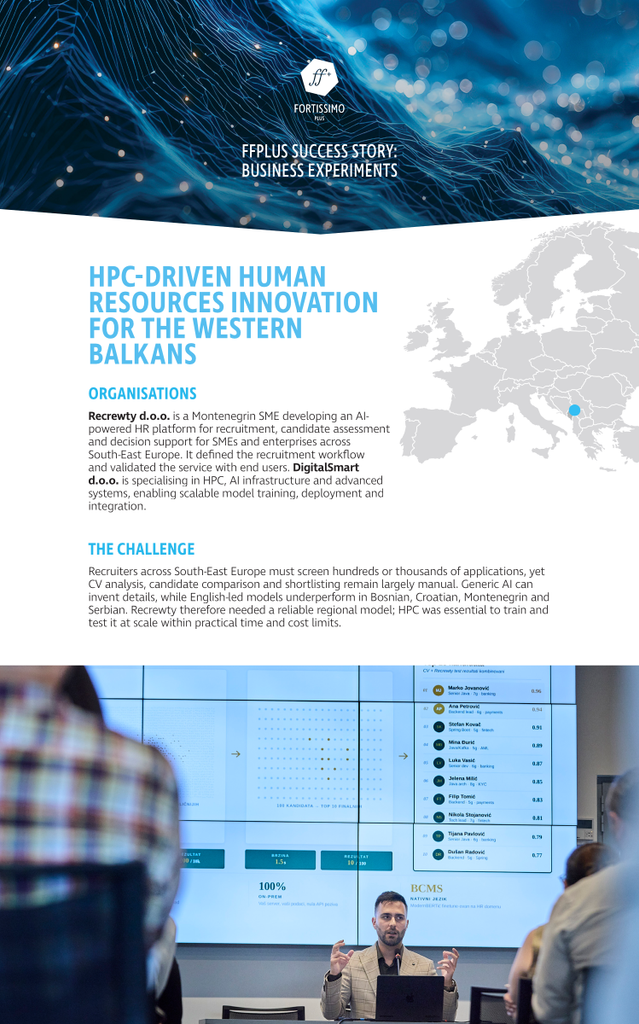
The FFplus project has published its first Business Experiment Success Stories, presenting how European SMEs and start-ups are using High-Performance Computing (HPC) to address real business challenges and develop new products and services.
Among the featured examples is GenAI-HPC4WB – Transforming Business Culture and Hiring Through High-Performance Computing, implemented by Recrewty and DigitalSmart. The project used AI, machine learning and HPC to develop language technologies and HR tools adapted to the Western Balkans, with particular focus on Montenegrin, Serbian, Bosnian and Croatian.
Click on image to open.
A key part of the experiment involved training and evaluating advanced language models using the LEONARDO EuroHPC supercomputer at CINECA in Italy. The resulting solutions support tasks such as CV analysis, candidate matching, interview processing and psychometric assessment, while keeping human experts involved in final recruitment decisions.
The published FFplus Success Story highlights the practical business impact of the experiment, including significant reductions in recruitment screening time and the cost of AI-based candidate search.
For NCC Montenegro, this is also an important example of how local companies can benefit from the European HPC ecosystem. Through NCC support, companies can identify relevant funding opportunities, prepare HPC and AI use cases, and access European supercomputing resources for experimentation and development.
The GenAI-HPC4WB Business Experiment received funding from the European High-Performance Computing Joint Undertaking (EuroHPC JU) under grant agreement No. 101163317. The JU receives support from the Digital Europe Programme.
We acknowledge the EuroHPC Joint Undertaking for awarding the project access to the LEONARDO EuroHPC supercomputer, hosted by CINECA, Italy, through a EuroHPC Development Access call.
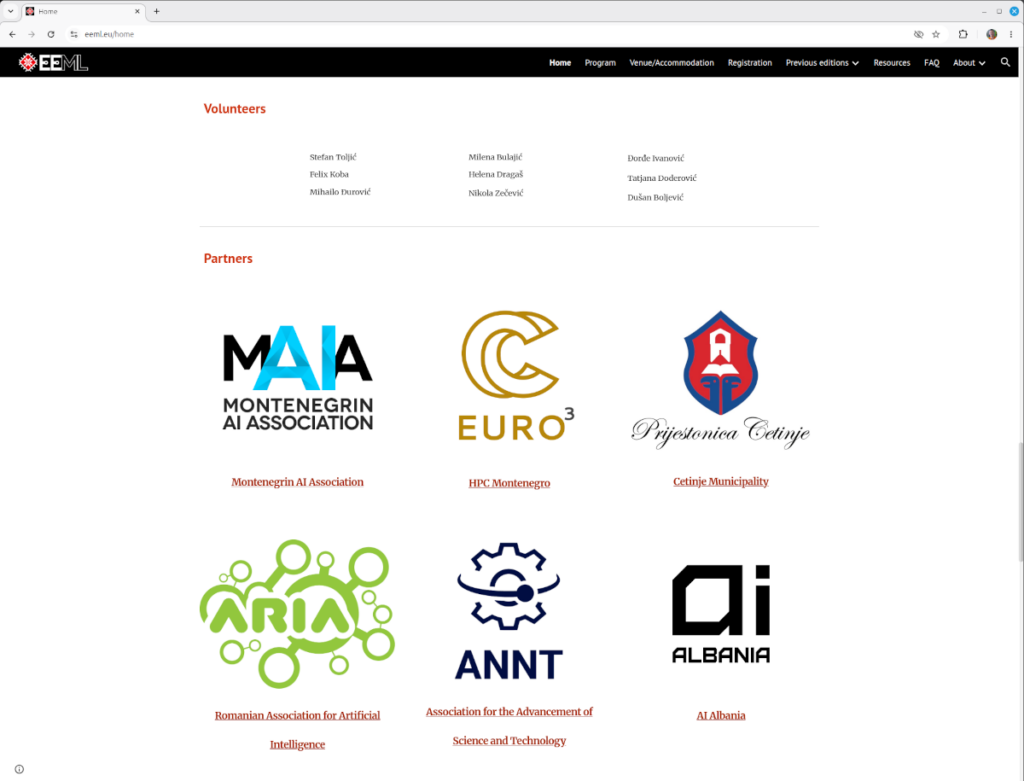
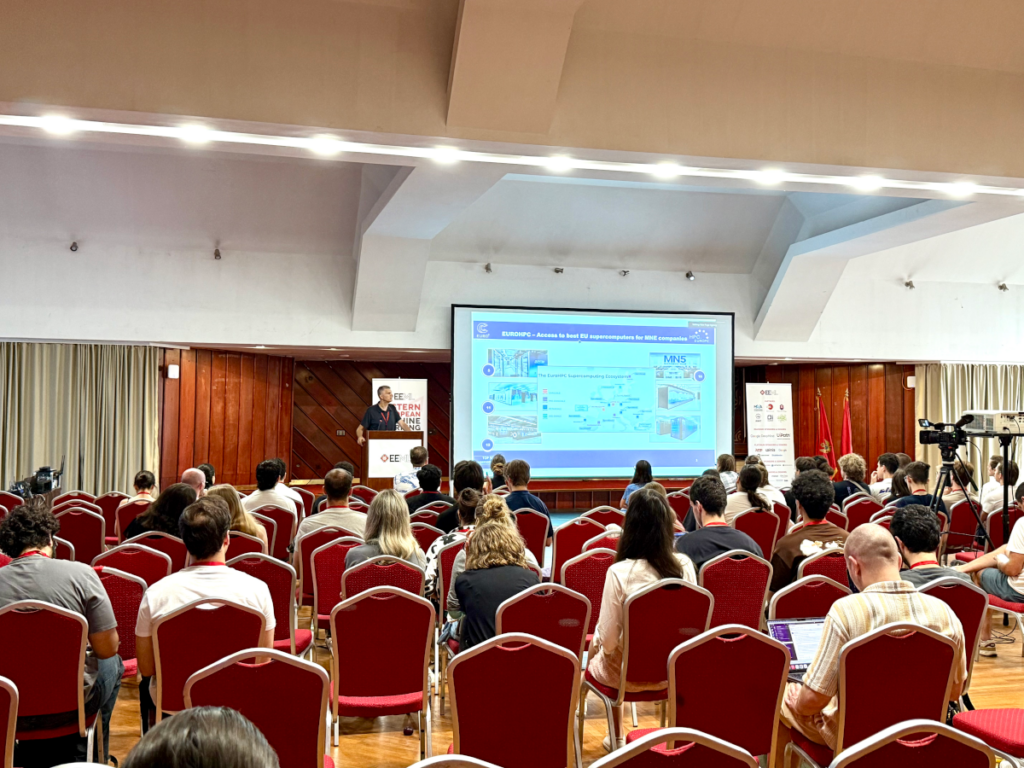
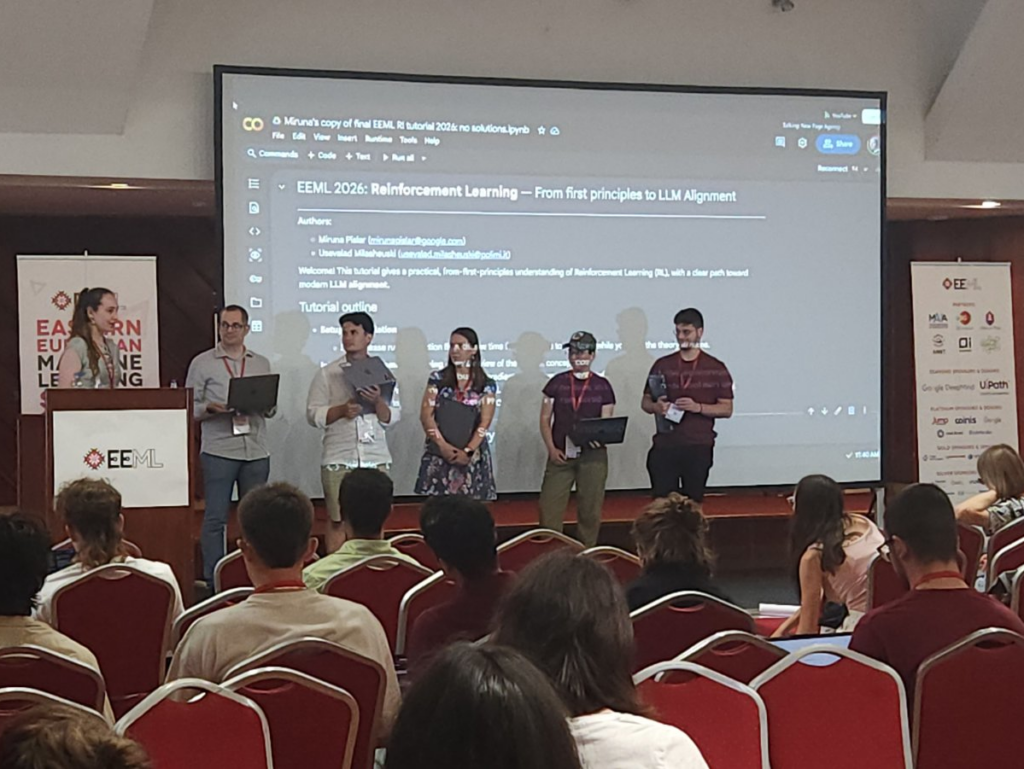
NCC HPC Montenegro took part as a partner of the Eastern European Machine Learning Summer School (EEML 2026), held from 27 July to 1 August 2026 in Cetinje. The school brought together around 300 participants from across the European Union — roughly half of them from Eastern Europe — along with researchers and companies from Montenegro, making it one of the largest AI and machine learning gatherings in the region.
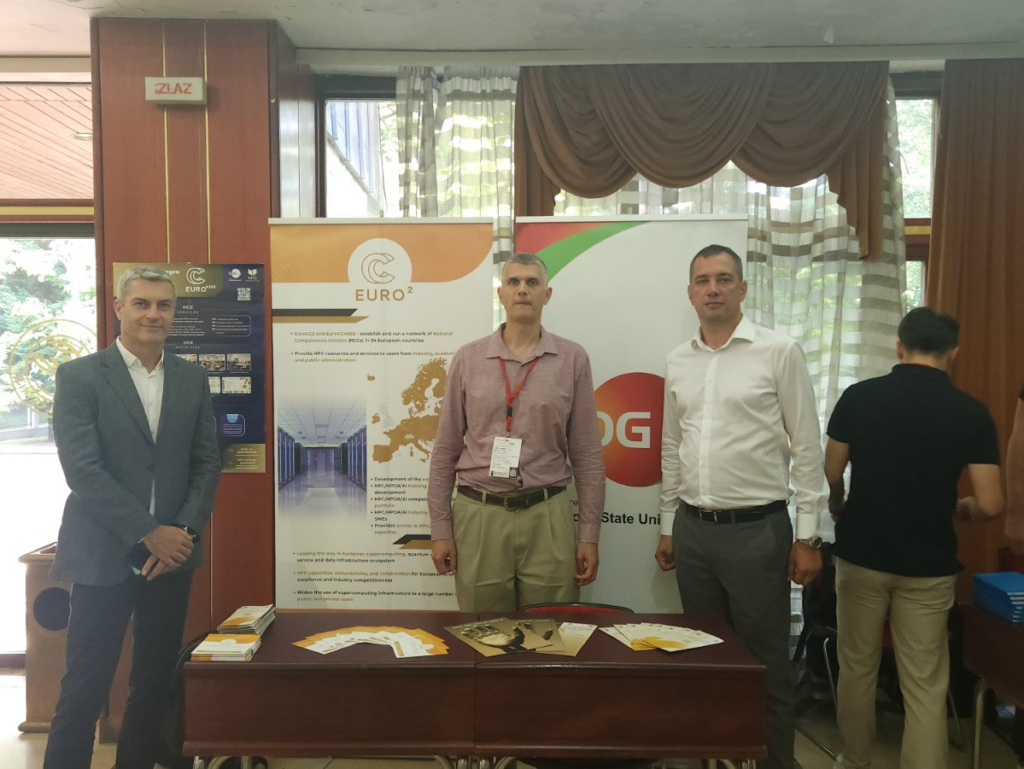
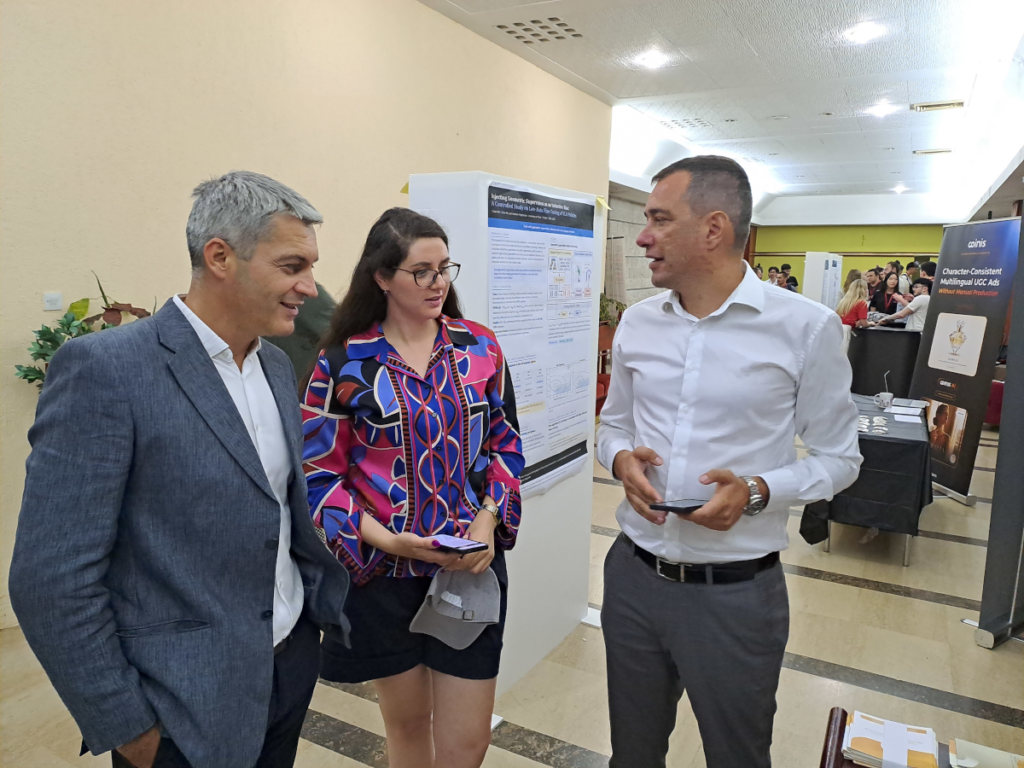
On Tuesday and Wednesday (28–29 July), HPC Montenegro hosted a booth where our team spent two full days talking with participants about high-performance computing (HPC) for AI and machine learning. These conversations connected us with representatives from industry and academia — both from Montenegro and from across Europe — and gave us the chance to understand their computing needs and show how HPC resources can support their work.
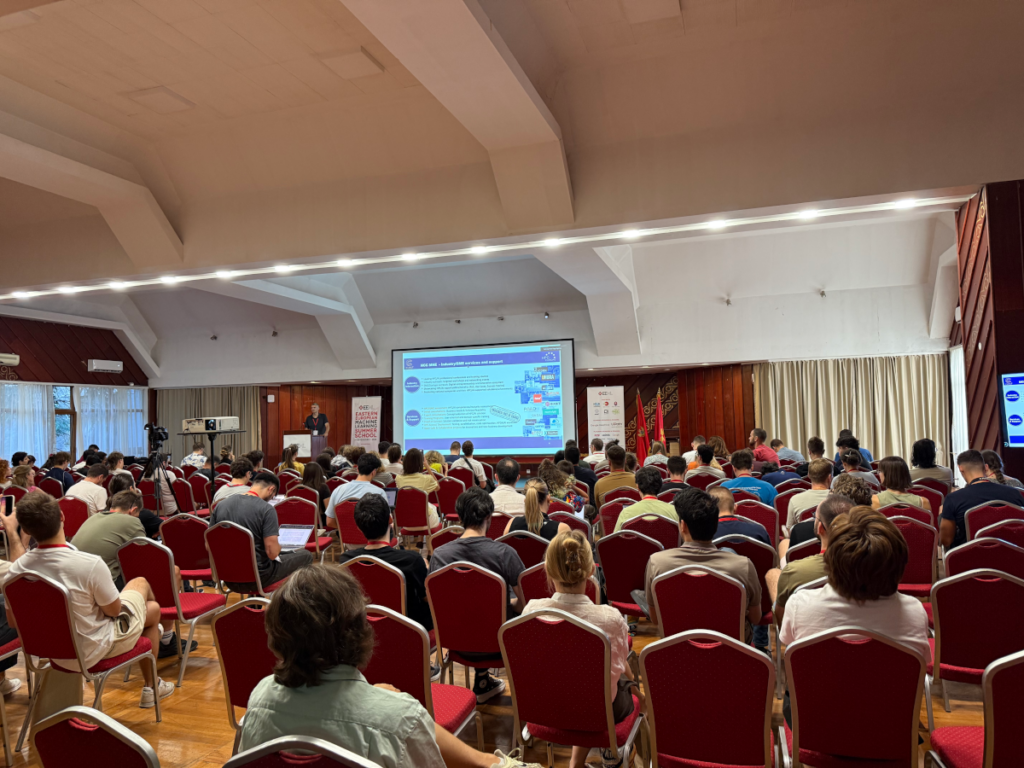
On Thursday, 30 July 2026, HPC Montenegro delivered a welcome talk to all participants. We presented the activities of NCC HPC Montenegro, traced the history of the EuroCC initiative through the EuroCC1, EuroCC2 and EuroCC4SEE projects, and reported on how researchers and organisations in Montenegro have been using EuroHPC access. We invited participants from Montenegro to collaborate with us and to request our services, and we helped participants from the wider region and other parts of the EU find and connect with the National Competence Centres (NCCs) in their own countries.
Our involvement in EEML 2026 reflects the twofold mission of NCC HPC Montenegro: providing training support to help build HPC and AI skills across the region, and engaging with industry to bring the benefits of high-performance computing to companies and the wider economy.
We are especially proud that several members of the HPC Montenegro team provided hands-on support and training to participants throughout EEML, helping them with practical work and with mastering machine learning tools and concepts. Alongside this, members of our team and students also took part as volunteers in the organisation of the school and in EEML activities.
You can find out more about the school at www.eeml.eu. To learn more about NCC HPC Montenegro, or to discuss collaboration and access to our services, get in touch with our team.