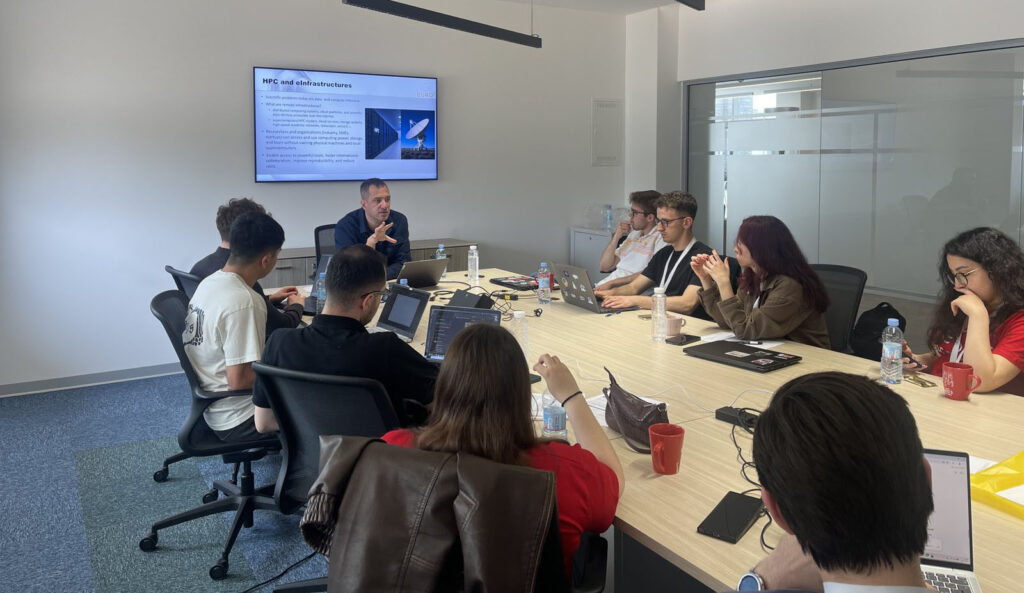
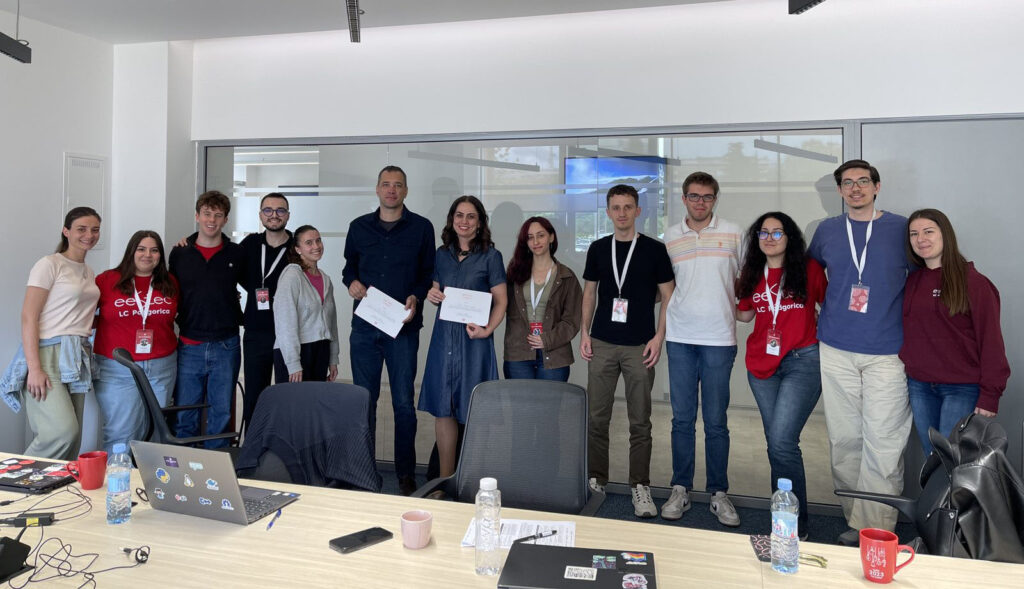
NCC Montenegro delivered an invited lecture titled “HPC & AI: Powering Montenegro’s Digital Development” at the Generative Artificial Intelligence Workshop organized by EESTEC LC Podgorica, held from May 15–20, 2026. The event brought together students from Montenegro and across Europe, reflecting the growing international interest in AI and HPC topics in the region.
The lecture covered the fundamentals of High-Performance Computing and eInfrastructures, as well as Montenegro’s active involvement in the EuroCC network and related national initiatives. A particular focus was placed on real-world applications of HPC and AI relevant to Montenegro’s digital development — including smart agriculture, medical imaging, weather forecasting, financial analytics, and document process automation. Participants were introduced to NCC Montenegro’s portfolio of success stories, showcasing how Montenegrin companies and research institutions are already leveraging advanced computing technologies. The lecture highlighted EuroHPC infrastructure and access opportunities available to students, researchers, and SMEs through NCC Montenegro, reinforcing the Centre’s commitment to building HPC and AI competences across academia, industry, and public administration.
High-performance computing is no longer confined to laboratories; it is the new engine of industrial competitiveness.
Join FFplus for our upcoming webinar series, ‘Accelerating SME Business Value with High-Performance Computing’, in which we explore the work of pioneers bridging the gap between advanced computing and real-world business value.
Each session draws on success stories to demonstrate how to maximise the impact of SMEs, bridge the gap between high-performance computing and value creation for SMEs, and boost the competitiveness of SMEs.
Register to the webinars, learn about how strategic HPC integration is redefining industrial competitiveness and get inspired!
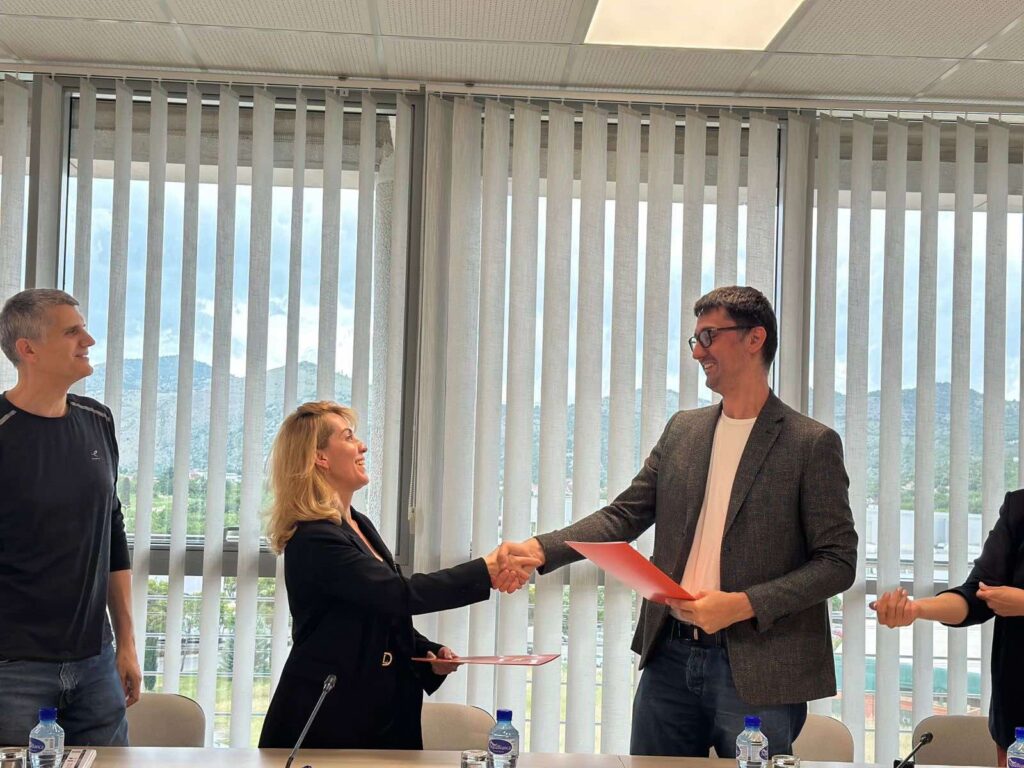
NCC Montenegro and MAIA – Montenegrin AI Association have signed a cooperation agreement to accelerate AI development and high-performance computing adoption in Montenegro. The agreement was signed by doc. dr Sandra Tinaj, a member of the NCC Montenegro team, and Milutim Pavićević, Executive Director of the Montenegrin Association for Artificial Intelligence – MAIA.
Partnership for AI Training, Industry Support, and Institutional Collaboration
MAIA, an NGO founded in September 2022 that connects researchers, engineers and AI enthusiasts, promotes AI, advances digital transformation and fosters collaboration among academia, industry and policymakers. Partnering with NCC Montenegro — the national hub providing access to European supercomputing infrastructure and HPC/AI technical support — the agreement establishes a framework for joint programs that will drive research, innovation and commercialization of AI solutions nationwide.
Looking forward to continuing and expanding the collaboration
The cooperation will concentrate on Training and skills development (delivering trainings, workshops and professional development programs in AI, Service and Interaction with Industry – offering consultancy, knowledge transfer and joint industry projects leveraging HPC and AI resources and Service to and Interaction with Academia and Public Administration – collaborating with universities and public administration to implement AI solutions in education, public services and policy). By leveraging EuroHPC access and parallel computing expertise, the partnership will enable intensive AI-driven workloads, support industry pilot projects, uses – cases and build specialized capacity to help Montenegrin innovations become globally competitive.
The NCC Montenegro recently hosted a collaborative meeting with Branko Dzakula, a prominent cybersecurity expert and serial tech entrepreneur. As NCC Montenegro accelerates the adoption of AI and supercomputing across the region, this meeting served as a strategic platform to explore how next-generation computational power can elevate enterprise security.
NCC meets Branko Dzakula: HPC+AI+Cybersecurity = Fast, Smart, and Secure.
Mr. Branko Dzakula brings an exceptional track record of scaling high-growth tech companies that bridge advanced automation, cybersecurity, and AI compliance. He is the Co-founder of Secfix, a highly successful Germany-based compliance automation platform that recently secured a major $12 million Series A funding round (bringing its total investment to over $17 million), to support its rapidly expanding global client base. His startup portfolio also features impactful Montenegrin-founded ventures, including Skenify, a specialized AI-backed vulnerability management SaaS tailored for the SME sector, and UN1QUELY, a premier regional cybersecurity consulting firm and professional academy. Recognized as a Top 3% global talent (Toptal network), Mr. Dzakula holds top-tier international credentials (CISSP, CISM) and maintains active leadership in IEEE and ISACA. His ventures represent the pinnacle of commercial success and technical expertise, proving that Montenegrin-led innovation can significantly impact highly competitive European markets.
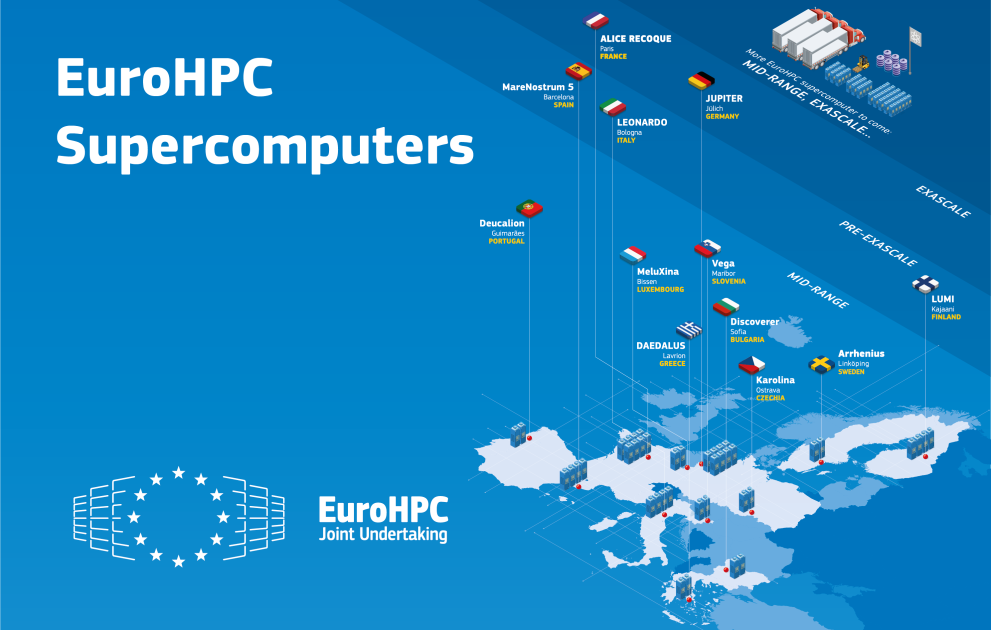
NCC Montenegro serves as a national gateway to the European supercomputing ecosystem, providing Cloud HPC assessments (over 100), HPC/AI technical consultations (over 50), and EuroHPC access/deployment (15+ companies and institutions), successfully supporting advanced R&D and AI scaling. By providing free access to GPU/CPU hours on world-class EuroHPC supercomputers like LUMI and Leonardo (resources otherwise cost-prohibitive for local firms), the NCC has accelerated innovation for MNE companies, across a wide array of sectors, including: FinTech (Uhura Solutions, PAID MNE), HealthTech (ONE AI), AdTech & Digital integrity (Coinis), Cybersecurity & Safety (DeepMark, CyberCo), HR-Tech (Recrewty, Digital Smart), Industry 4.0 & Green AI (FainTech), Climate Tech (IHMS), XAI (ETF), etc. With a robust educational portfolio of over 40 HPC/AI training sessions and industry workshops in 2025 alone, the NCC has become the primary catalyst for the nation’s HPC/AI talent pool and digital competitiveness.
The dialogue highlighted potential use-cases in the R&D phase, specifically anchoring advanced cybersecurity operations onto HPC infrastructure, as well as establishing a training framework for specialized capacity building. Through this collaboration, NCC Montenegro leverages its parallel computing expertise and EuroHPC infrastructure to secure intensive AI-driven workloads and advanced cybersecurity workflows. By bridging the gap between high-end expertise and exascale resources, this collaboration aims to support Montenegrin innovations becoming globally competitive, ethically sound, and cyber-resilient.
The Gray Scott School is an advanced training program dedicated to High-Performance Computing (HPC), led by experts from IJCLab, CNRS, Inria, LUPM, LPNHE & LISN. This summer school, in a unique format and entirely free of charge, is dedicated to programming and optimization on Heterogeneous Architectures.
The school covers the optimization of computations on different types of hardware (CPU, GPU), presenting their respective characteristics, architectures and bottlenecks. It covers generic optimization methods applicable to all types of hardware, as well as the various libraries, technologies and languages available to achieve the best possible performance. Ideally, the peak performance of the machine.
Gray Scott school 2026
Through hands-on sessions, lectures, and regular technical webinars, the school equips participants with the skills needed to design, optimize, and scale high-performance applications.
All optimization techniques taught during the school are illustrated using a single reference problem: the simulation of a Gray Scott reaction.
Dates: 2 weeks between June 22 and July 3, 2026 Location: Online or onsite, or from Satellite Sites More info & Registration: https://cc-fr.eu/gray-scott-school-2026/ Price : Free of charge.
Open to students, researchers, and professionals with basic programming experience who wish to develop HPC competencies.
Gray Scott Thursdays
What sets this program apart is its in-depth summer sessions combined with a preparatory series of 18 live webinars, from January to June, known as Gray Scott Thursdays. These webinars, held weekly and presented by the school’s professors, provide an early insight into the key concepts and technologies that will be explored more intensively during the school. More info
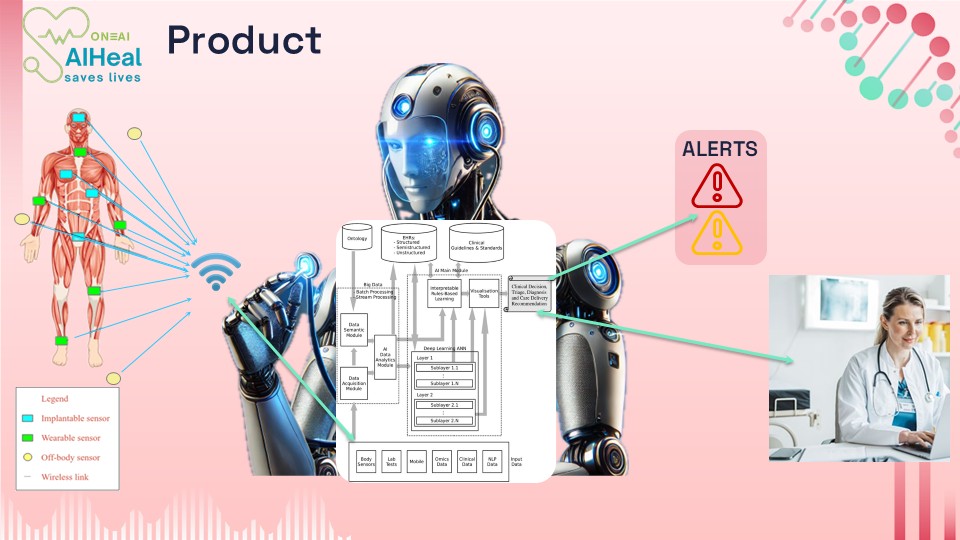
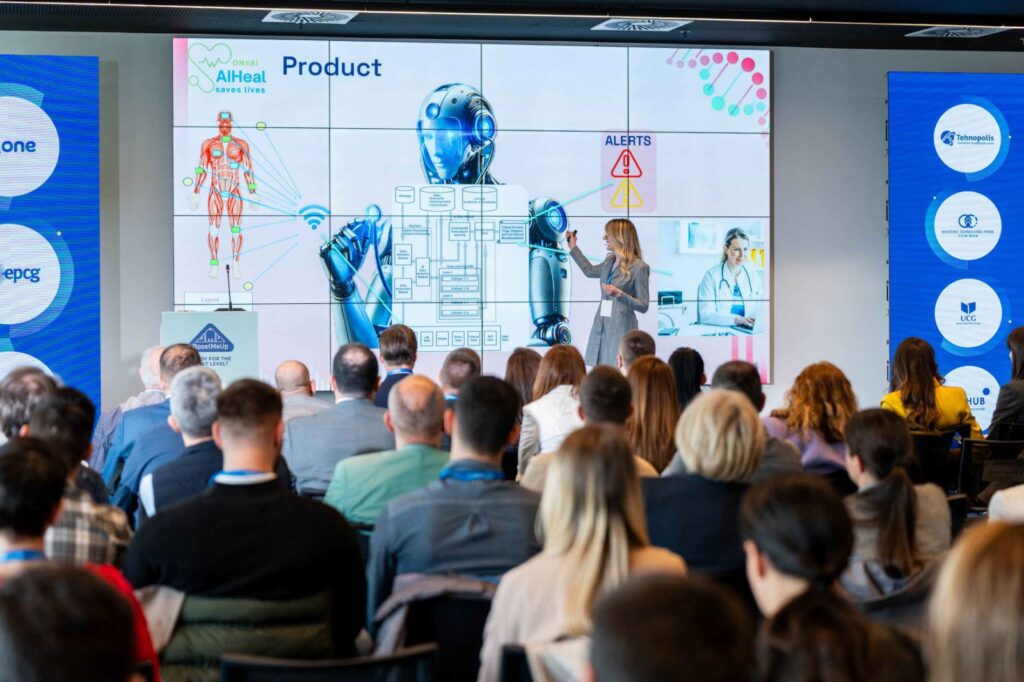
The Montenegrin company ONEAI has successfully carried out a project on the EuroHPC infrastructure, utilizing the LUMI-G supercomputer to develop advanced AI models in the field of ECG signal analysis. Following the successful completion of the previous cycle, the AIHeal project has been granted renewed access to computational resources for the upcoming period.
During the previous project, the team developed a dynamic HPC pipeline that enables training personalized models for each individual patient, with the capability for continuous retraining based on new data. The key innovation lies in establishing an integrated system that connects the existing infrastructure with the supercomputer:
data is automatically collected from the AIHeal system,
sent to the LUMI supercomputer for training,
after processing, the models are returned to the production environment and registered in the MLflow system.
This approach enables the creation of “digital twin” patient models, where each model is tailored to the specific characteristics of the individual, significantly improving anomaly detection accuracy compared to generic models.
By leveraging the LUMI infrastructure, the AIHeal team achieved significant acceleration in the model training process, particularly through parallelization across multiple GPU units and the execution of a large number of experiments simultaneously. This enabled faster identification of optimal models and improved the overall quality of the solution.
The project results confirm that HPC resources play a crucial role in the development of scalable and personalized AI systems in healthcare, especially in the context of real-time biomedical data analysis.
AIHeal
The newly approved access to EuroHPC resources will be used for further model improvement, performance optimization, and expansion of the system to cover a broader range of cardiovascular and other health-related indications.
EuroHPC Joint Undertaking has announced an upcoming online event, the EuroHPC Access Calls Webinar – Evaluation Process, Technical Assessment and Best Practices, scheduled for 13 May 2026 from 10:00 to 12:30 (CEST).
The webinar is aimed at researchers and users from both the public and private sectors who are interested in applying for access to EuroHPC supercomputing resources. It will cover key topics such as proposal preparation, evaluation procedures, benchmarking, and successful project implementation. Sessions will be delivered by experts from leading European HPC organizations, offering practical guidance and insights based on real application experiences.