HPC and Artificial Intelligence in Healthcare: From Strategy to Clinical Impact

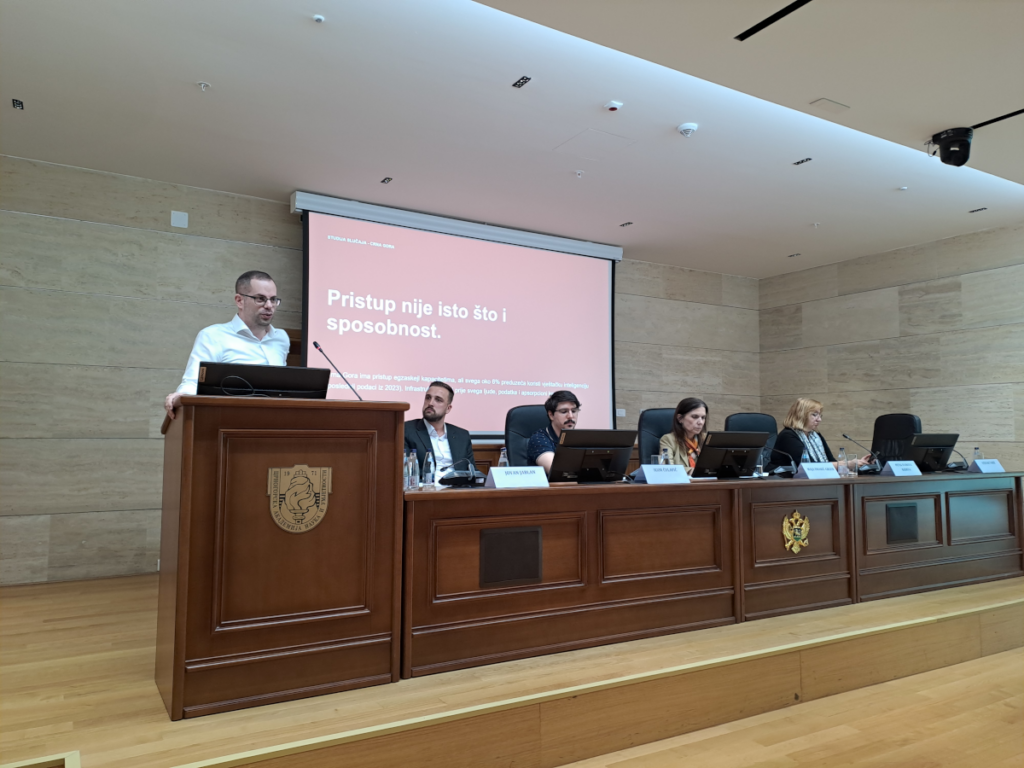
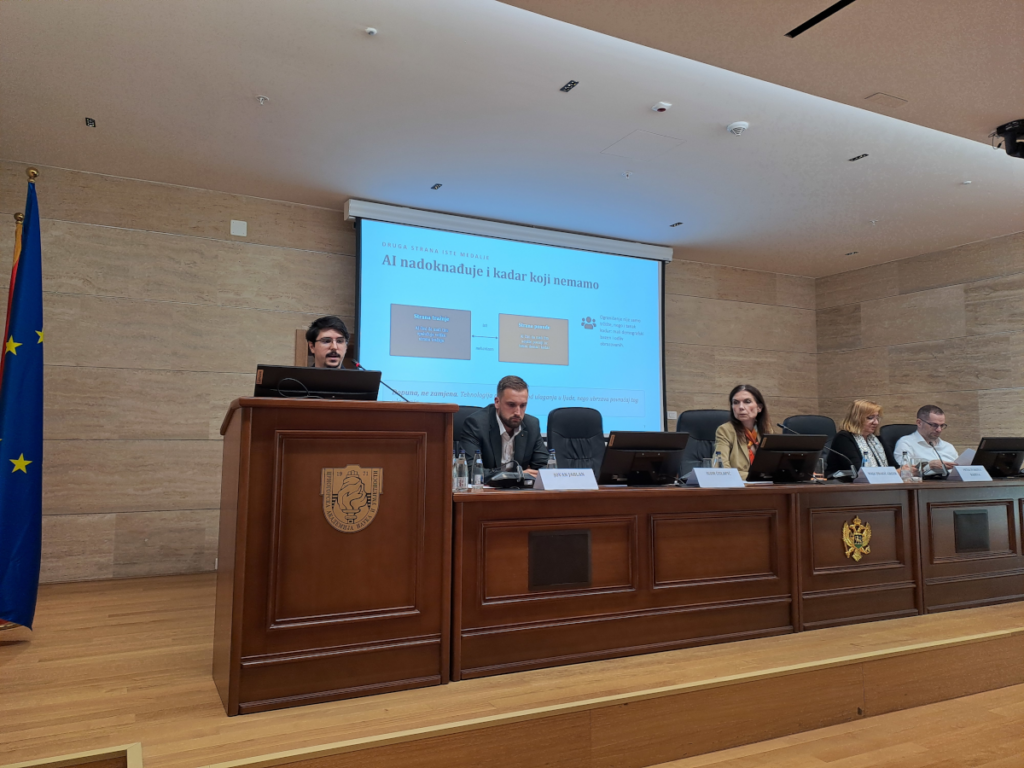
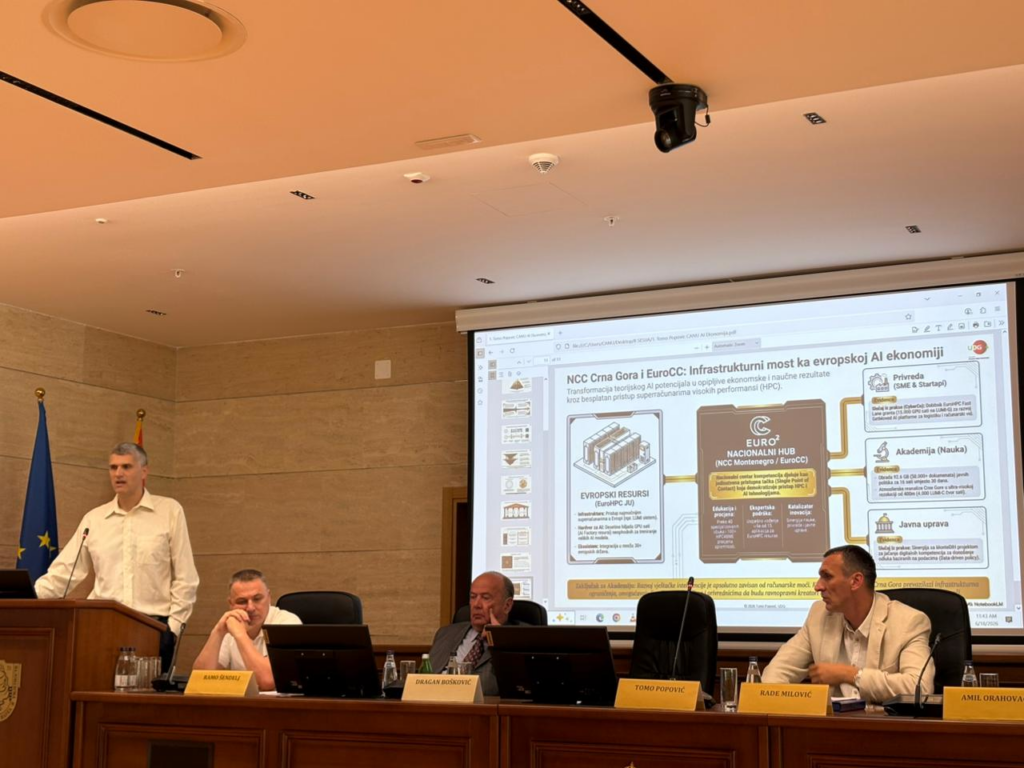
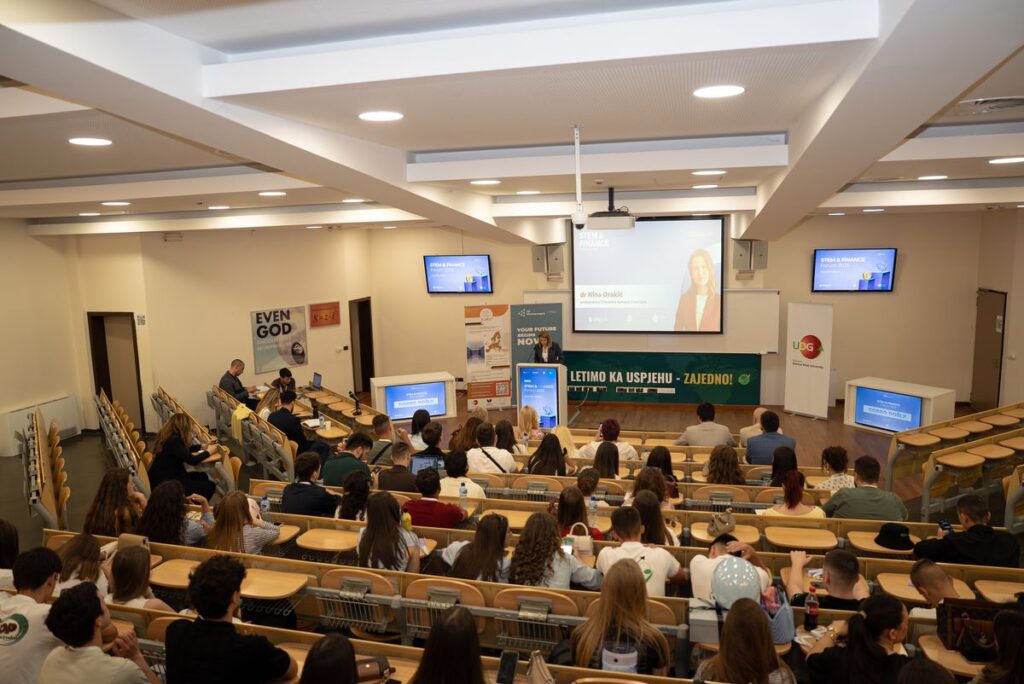
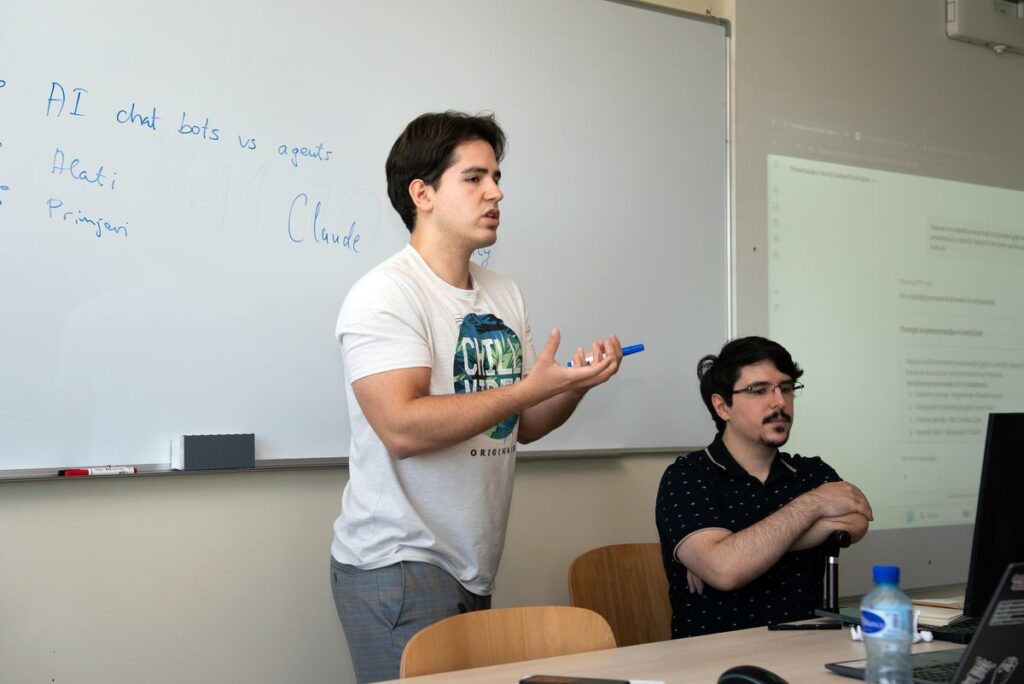
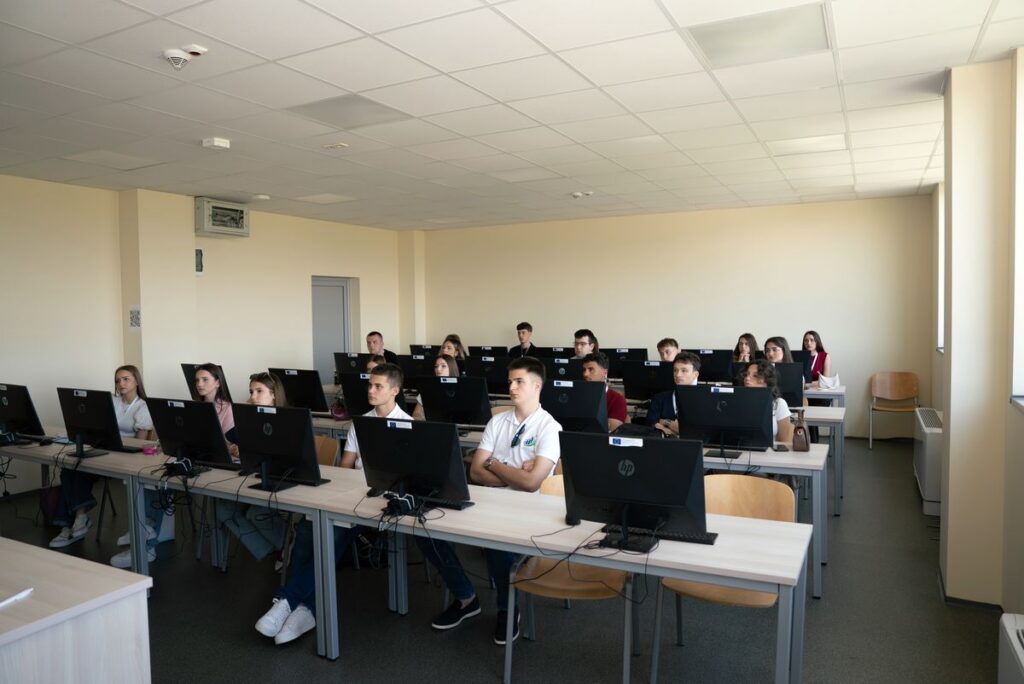
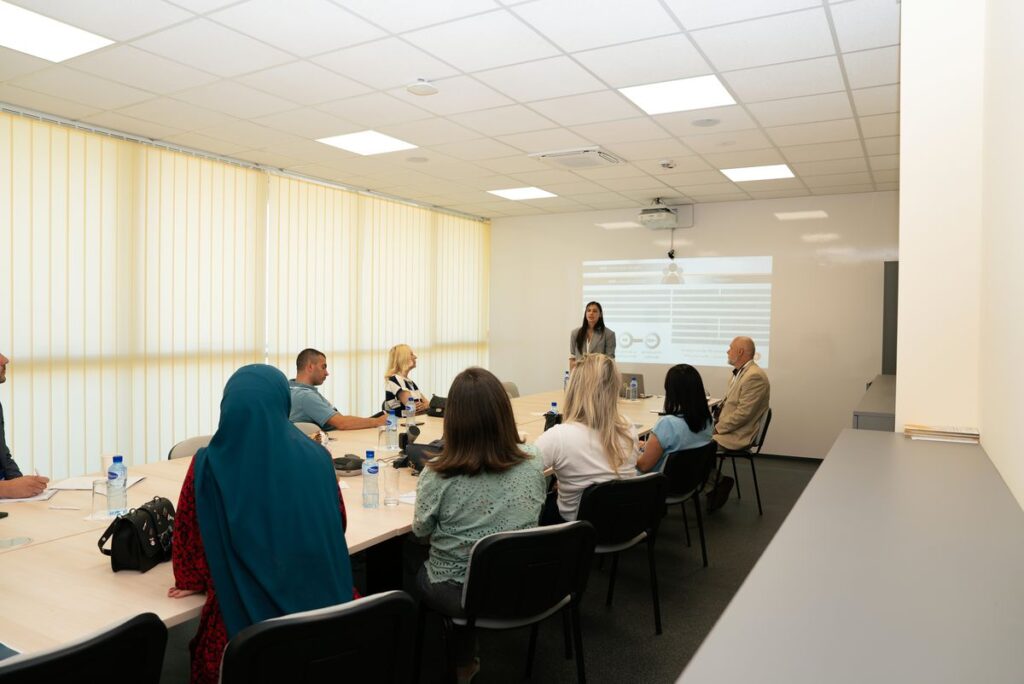
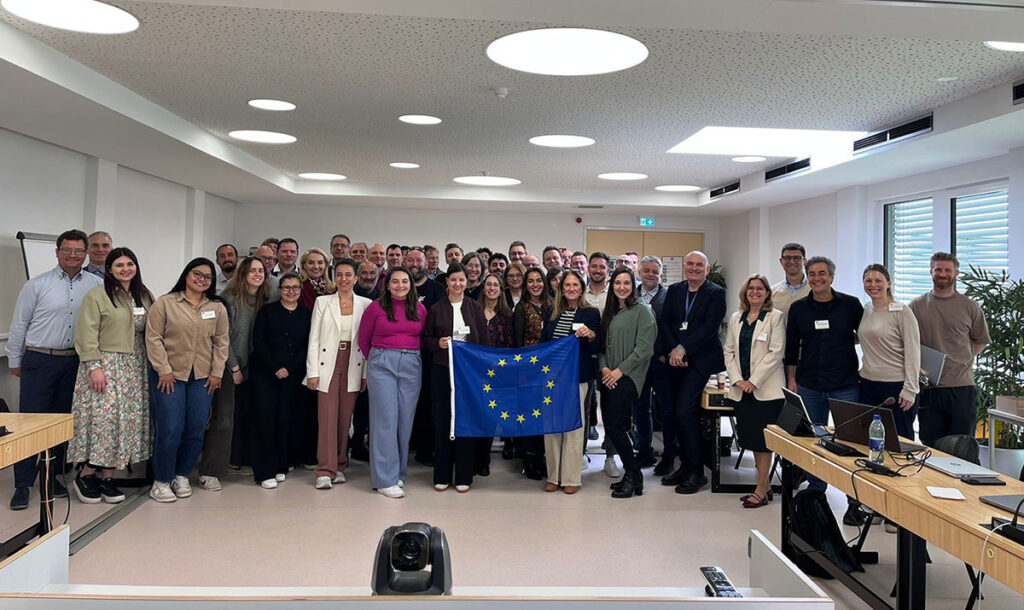
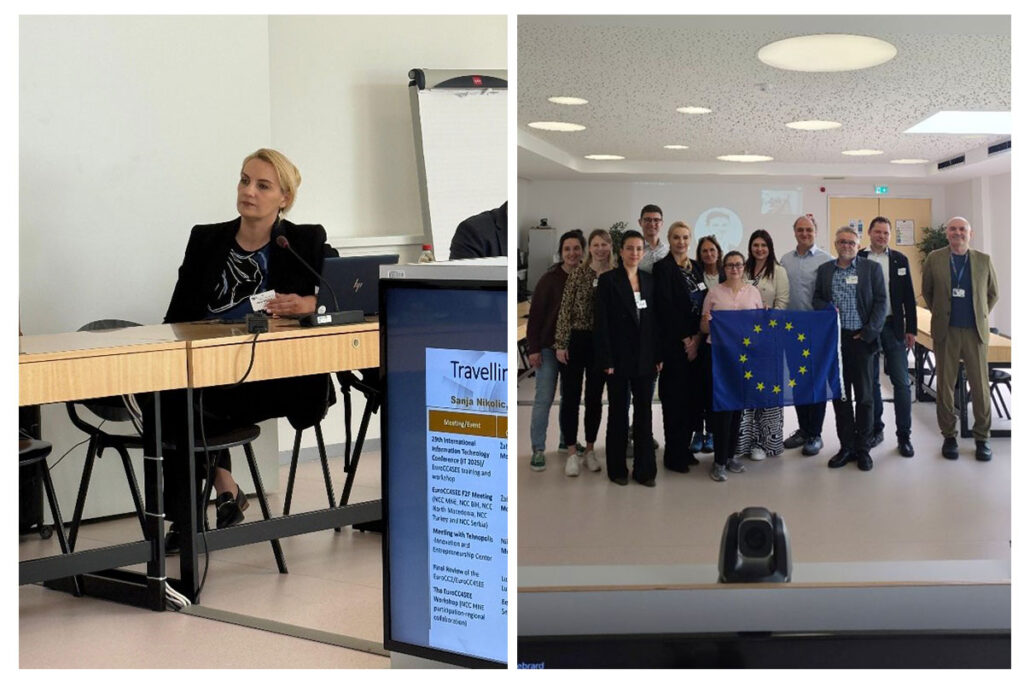
Podgorica, 13 February 2026 – The Faculty of Medicine at the University of Montenegro hosted a regional symposium dedicated to the application of High-Performance Computing (HPC) and Artificial Intelligence (AI) in healthcare and medical research.

The event was organized by NCC Montenegro, in collaboration with the Faculty for Information Systems and Technologies (UDG) and the Faculty of Medicine (UoM), within the framework of the EuroCC2 and EuroCC4SEE projects, with additional support from the AI-AGE research project.

Bringing together approximately 20 participants from healthcare institutions, academia, innovative companies, and regional partners from Bosnia and Herzegovina, the symposium aimed to strengthen collaboration and advance the adoption of AI and HPC technologies in the health sector.

From Vision to Implementation

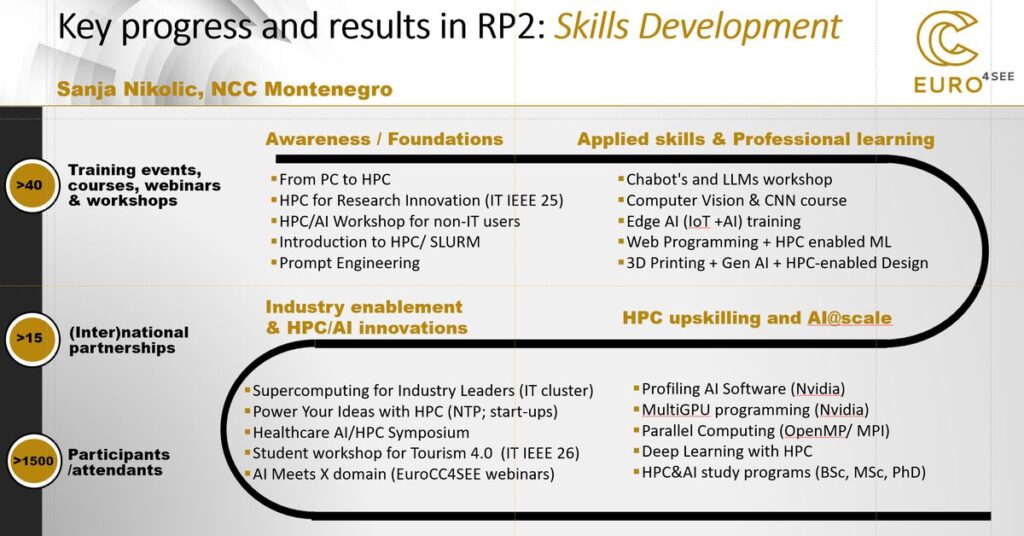
The programme combined strategic presentations, regional cooperation sessions, and technical demonstrations, creating a comprehensive overview of the current state of HPC and AI in healthcare.

NCC Montenegro presented Montenegro’s role as a national reference point for HPC, High-Performance Data Analytics (HPDA), and AI development. The presentation traced the entire pipeline—from clinical and biomedical data collection to AI model development and HPC-accelerated deployment.

A central message of the event was clear: HPC in healthcare is not merely about computational speed. It enables rigorous validation, reproducibility, and scalable deployment of AI models in real clinical environments.

Use cases discussed during the symposium included radiology, digital pathology, cardiology, genomics, ICU monitoring, and public health forecasting

AI-AGE: Advancing Research on Ageing

A dedicated session focused on the AI-AGE project, which explores retinal fundus imaging as a potential biomarker for accelerated biological ageing.

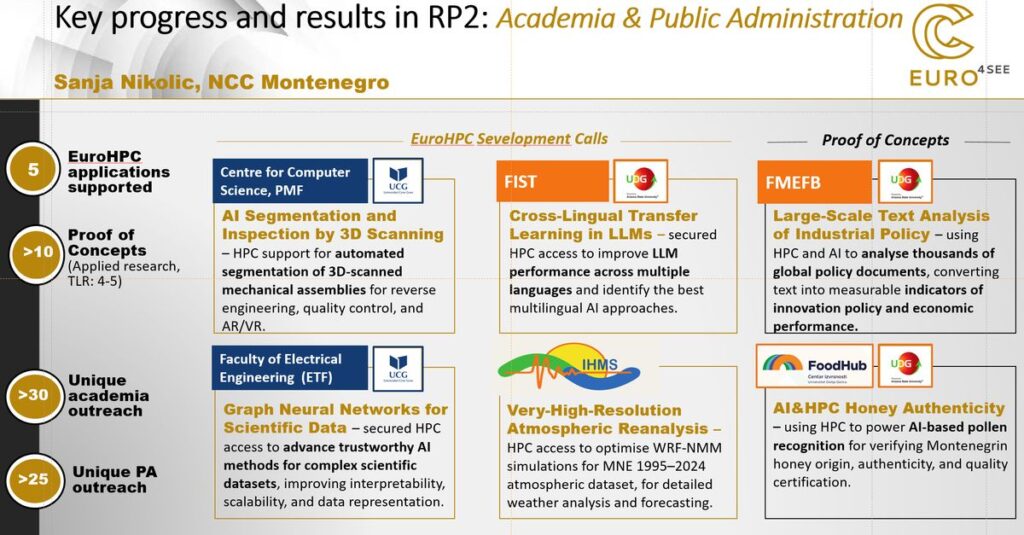
The interdisciplinary team presented research results based on UK Biobank data and datasets collected in Montenegro. Findings indicate that the complexity of retinal microvascular networks may decline more rapidly in patients with chronic diseases, highlighting potential applications in early diagnosis and monitoring.

Speakers emphasized the importance of careful model validation, addressing training bias, and ensuring responsible clinical deployment. The discussion also highlighted the potential of EuroHPC resources to further strengthen research capacity and computational scalability

Technical Showcase: AI Solutions Already in Practice

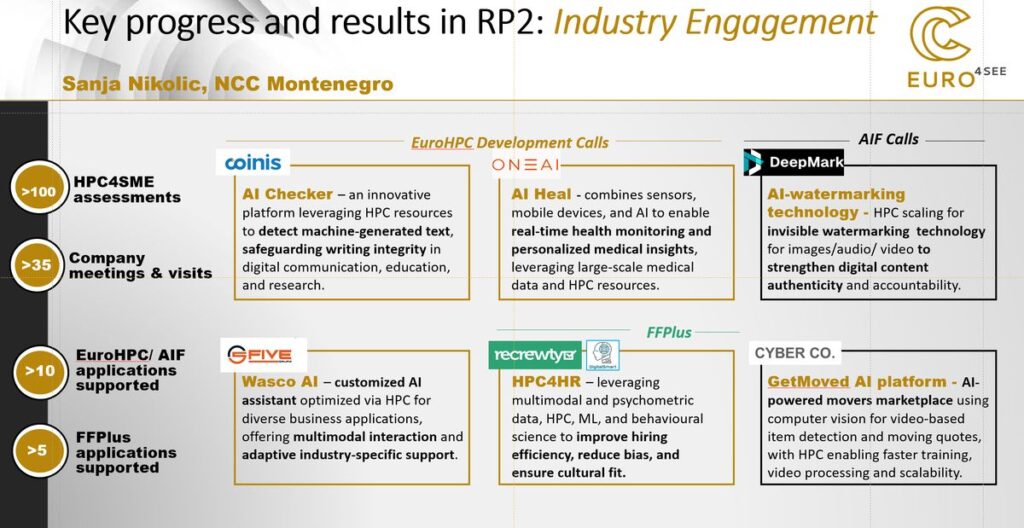
One of the most dynamic parts of the symposium was the Technical Showcase, where companies from Montenegro and Bosnia and Herzegovina presented concrete AI and HPC-enabled healthcare solutions.

Among the showcased innovations were:

  • AI-powered colon cancer detection in digital pathology using deep learning on high-resolution histopathology slides
  • AI-driven IoT platforms supporting clinical decision-making and patient management
  • AI systems for Alzheimer’s disease care, including predictive digital twins and multimodal reasoning tools
  • HPC-supported computational simulations accelerating pharmaceutical drug development

A particularly valuable component of the session was the sharing of experiences from companies that successfully applied for and received EuroHPC computing resources. These examples demonstrated how access to supercomputing infrastructure directly enhances model development, testing, and product readiness.

Strengthening Regional Cooperation

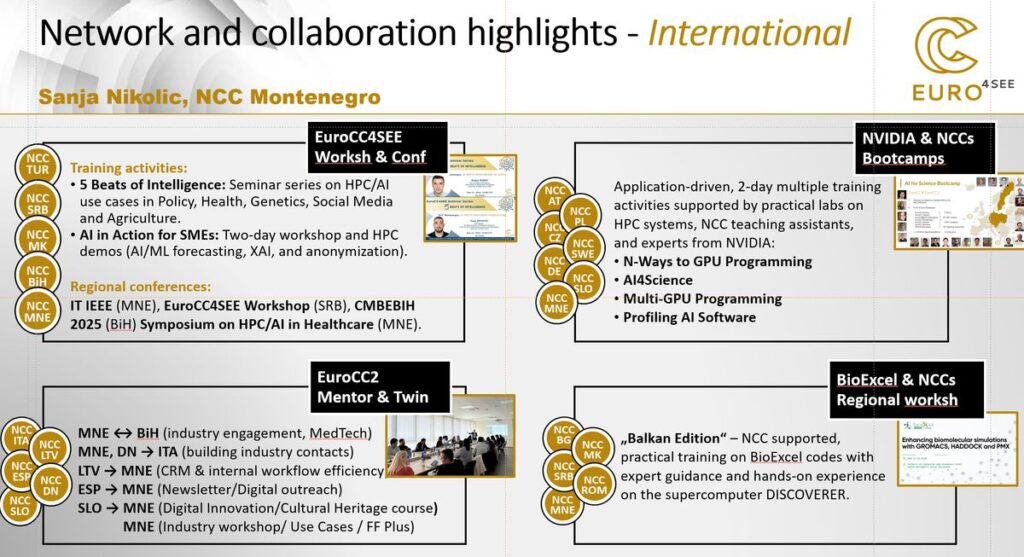
The symposium also included a regional twinning workshop between NCC Montenegro and NCC Bosnia and Herzegovina.

The session focused on joint strategies for stakeholder engagement, cross-border resource sharing, and knowledge transfer. The discussion confirmed that the twinning model is an effective mechanism for strengthening the South-East European HPC ecosystem and facilitating access to European supercomputing infrastructure.

Such cooperation is particularly important as the region prepares for the next phase of European HPC initiatives and increasing alignment with the EU AI Act and broader digital strategies.

Addressing Systemic Challenges

The event concluded with an interactive panel discussion titled “Orchestrating the Ecosystem.” Participants addressed key challenges facing AI adoption in healthcare, including:

  • The healthcare data gap and fragmentation
  • Regulatory complexity, particularly in the context of the EU AI Act
  • The need for stronger partnerships between industry, academia, and healthcare institutions

While AI model architectures continue to mature rapidly, participants agreed that the primary bottlenecks lie in data heterogeneity, evaluation standards, and deployment constraints rather than algorithmic limitations.

Healthcare representatives acknowledged the growing importance of HPC and AI in medical research but emphasized the need to improve institutional readiness for strategic and sustainable adoption.

A Strategic Step Forward

The symposium concluded with a shared commitment to:

  • Position AI and HPC as strategic priorities in healthcare innovation
  • Continue expanding infrastructure and access to HPC resources
  • Invest in skills development and capacity building
  • Strengthen regional collaboration across South-East Europe

The event marked an important step in connecting research excellence, industrial innovation, and clinical practice—demonstrating that HPC-enabled AI in healthcare is no longer a future concept, but an emerging regional reality.

PAID MNE Showcased in the EuroCC2/EuroCC4SEE Success Stories Booklet — Powering Smarter Trading with Supercomputing

We are proud to highlight PAID MNE as a featured success story in the EuroCC2 & EuroCC4SEE Booklet — demonstrating how HPC is transforming financial analytics and algorithmic trading.

EuroCC2 & EuroCC4SEE Booklet

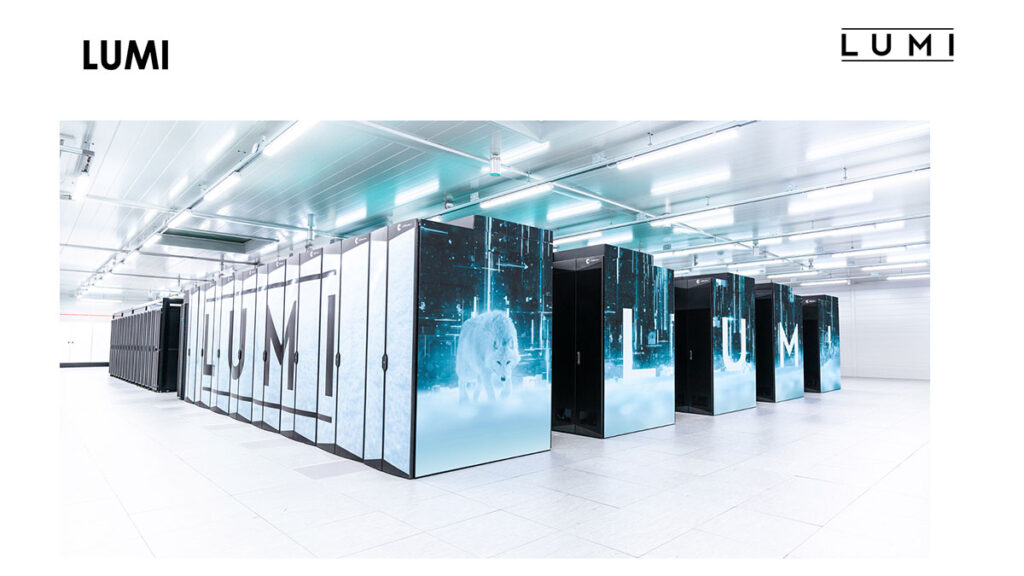
At the heart of PAID MNE innovations lies PAID-T (Price Action Intelligent Detection Trading) — a smart trading platform that leverages advanced algorithms and AI/ML to dynamically adapt to market movements, optimise investment strategies, and manage risk with higher precision. Traditional computing systems quickly reached their limits. To unlock the required performance, the team scaled their solution to the LUMI supercomputer, one of Europe’s most powerful HPC infrastructures. By enabling multinode execution and real-time task distribution, PAID MNE achieved over 1.2 million simulations in under 5 hours — a process that previously would have taken days. This acceleration enables processing billions of historical transactions in hours instead of days, rapid identification of critical market patterns and data-driven optimisation/ increased accuracy of trading strategies.

PAID MNE success story

This achievement, showcased through the EuroCC2/EuroCC4SEE project, demonstrates how supercomputing is becoming a powerful enabler of business innovation. PAID MNE’s journey is a clear example of how HPC and AI together can transform complex, critical data into faster, more profitable decisions.

DeepMark Approved GPU Resources through AI Factory Playground Access

DeepMark is a deep-tech startup developing learning-based watermarking and provenance technology for AI-generated content. It previously used EuroHPC JU resources after receiving one year of access to the Leonardo Booster partition through a Development call. DeepMark leveraged these resources to advance next-generation watermarking research and benchmarking.

Deepmark

As the research deepened, the need for additional compute grew. Following consultations with the NCC Montenegro team at the University of Montenegro, DeepMark applied for GPU resources via the AI Factory Playground Access.

DeepMark has been awarded 5,000 GPU hours on the Leonardo Booster partition, granted for three months. This allocation will support work on robust, learning-based watermarking for AI-generated content—improving resilience to real-world edits and AI transformations and strengthening provenance and authenticity at scale. With this new allocation, DeepMark will expand its experiments and validation under real-world constraints.

Uhura Solutions Awarded Extension and Additional HPC Resources on Leonardo Supercomputer

The Uhura Solutions project “Generative AI Intelligent Process Automation Platform” has received a positive evaluation and has been granted an extension, including 4,500 node hours on the Leonardo BOOSTER HPC system for a 12-month period. 

The additional HPC resources will support Uhura Solutions’ ongoing research and development in advanced Generative AI and Large Language Models (LLMs) tailored for the financial sector. Leveraging Leonardo’s state-of-the-art computing capabilities, the project will scale experiments from smaller open-source models to larger LLMs, enabling deeper research into optimization techniques such as parameter-efficient fine-tuning (PEFT), quantization, pruning, and model alignment.

Leonardo HPC

The Generative AI Intelligent Process Automation Platform integrates fine-tuned LLMs, low-code development, and process automation workflows to significantly improve operational efficiency, reduce costs, and enhance customer experience in financial services. A key differentiator of the platform is its focus on industry-specific language and context, supported by carefully curated private datasets with strong attention to data quality, privacy, and compliance.

This extension and access to Leonardo BOOSTER represent a major milestone for the project. The additional computational power allows company to push the boundaries of financial-domain AI and accelerate the delivery of scalable, production-ready solutions for the European market

Multi-GPU AI Train the Trainer Workshop

The Train the Trainer course was organized from 30 January to 5 February as a series of full-day, intensive lectures, delivered alongside the standard AI and multi-GPU computing courses. This workshop complemented the strong technical focus of the regular course with a dedicated educational track. While the regular course concentrated on hands-on skills for building, scaling, and optimizing AI workloads across multiple GPUs, the Train-the-Trainer track was specifically designed to equip future instructors with the knowledge and pedagogical tools needed to teach these topics effectively. With only a few HPC and AI centres across Europe offering such specialized education, this programme helps expand the network of trainers and institutions capable of delivering high-quality AI and multi-GPU courses at both national and European levels.  Researchers from the National Competence Center (NCC) Montenegro participated in this course, further strengthening national capacities in advanced AI and multi-GPU training.

AI Train the Trainer Workshop

During the training event, participants developed a deep understanding of modern multi-GPU and distributed AI technologies, while also learning effective strategies for teaching these complex concepts. Guided by expert instructors, attendees explored state-of-the-art tools, frameworks, and best practices for scaling AI workloads, combined with pedagogical approaches, teaching materials, and hands-on experience tailored to support the delivery of their own courses. The lectures covered a broad spectrum of topics, including GPU architectures and access to HPC infrastructure; fundamentals of deep learning and the transition from CPU- to GPU-based workloads; distributed training with PyTorch (Distributed Data Parallel, model parallelism, PyTorch Lightning); large language models, fine-tuning techniques, and frameworks such as Hugging Face Accelerate and DeepSpeed; as well as computer vision, MLOps, Ray, Retrieval Augmented Generation (RAG), and hyperparameter tuning.

The training event was organised by NCC Poland, NCC Netherlands, NCC Hungary, NCC Belgium, NCC Italy, NCC Finland, NCC Sweden, all National Competence Centres for High-Performance Computing, CASTIEL2 and EuroCC2/EuroCC4SEE.

EuroHPC JU Call for Proposals: Enabling AI-Driven Scientific Discovery Across Europe

The EuroHPC Joint Undertaking (EuroHPC JU) has opened a call for proposals supporting AI-driven scientific research and collaborative EU projects that require large-scale high-performance computing (HPC) resources.

This access mode is designed for researchers, academic institutions, public sector bodies, and industry partners involved in EU-funded or nationally funded R&I projects, where Artificial Intelligence is a core enabler of scientific discovery—including machine learning, foundation models, generative AI, and large language models applied to real scientific challenges.

Available supercomputers to apply for (the resources shown in node hours)

What does the call offer?

Selected projects can receive access to Europe’s leading supercomputers (such as GPU-accelerated EuroHPC systems) for training, testing, and scaling advanced AI models. The call runs on a continuous basis with multiple cut-off dates, allowing flexible submission throughout the year.

Why it matters

Many AI-for-science use cases exceed the capabilities of local infrastructure. This call lowers the barrier to:

  • large-scale AI model training,
  • data-intensive scientific workflows,
  • cross-border collaboration using shared European HPC resources.

Support for Montenegrin applicants

NCC Montenegro actively supports Montenegrin researchers, institutions, and companies in preparing and submitting applications to this call.

NCC Montenegro can help with:

  • assessing project eligibility and fit with the call,
  • estimating HPC and GPU resource needs,
  • structuring proposals and impact sections,
  • connecting applicants with relevant EuroHPC systems and expertise.

If you are based in Montenegro and considering applying, we strongly encourage you to contact us early in the preparation process. Learn more at [link]

HPC & AI in Healthcare: From Research to Clinical Practice in Montenegro and SEE

High-Performance Computing (HPC) and Artificial Intelligence (AI) are increasingly moving beyond research laboratories into real clinical environments. Across Montenegro and the SEE region, promising AI solutions have been developed for medical image analysis, biomarker detection, and predictive diagnostics. The critical challenge today is ensuring their structured transition from research prototypes to validated, deployable tools within healthcare systems.

Please contact us for attendance, limited number of seats

This event addresses precisely that transition. It focuses on how HPC infrastructure, interdisciplinary collaboration, and coordinated ecosystem support can accelerate the integration of AI into everyday clinical practice. Particular attention will be given to available computational capacities, real-life use cases, and pathways toward sustainable deployment.

The event is organized as a joint initiative between NCC Montenegro and NCC Bosnia and Herzegovina, within the broader framework of EuroCC 2 and EuroCC4SEE. It also represents a form of cross-project pollination with the AI-AGE project, demonstrating how research-driven innovation can evolve into applied healthcare solutions through regional cooperation.

Collaboration between NCC Monteengro and NCC Bosnia and Herzegovina

Researchers, clinicians, innovators, and industry partners are invited to join the discussion, exchange expertise, and contribute to shaping the next steps for HPC- and AI-driven healthcare across Southeast Europe. The event is scheduled for Friday, 13 Feb 2026. Please contact us for further details.