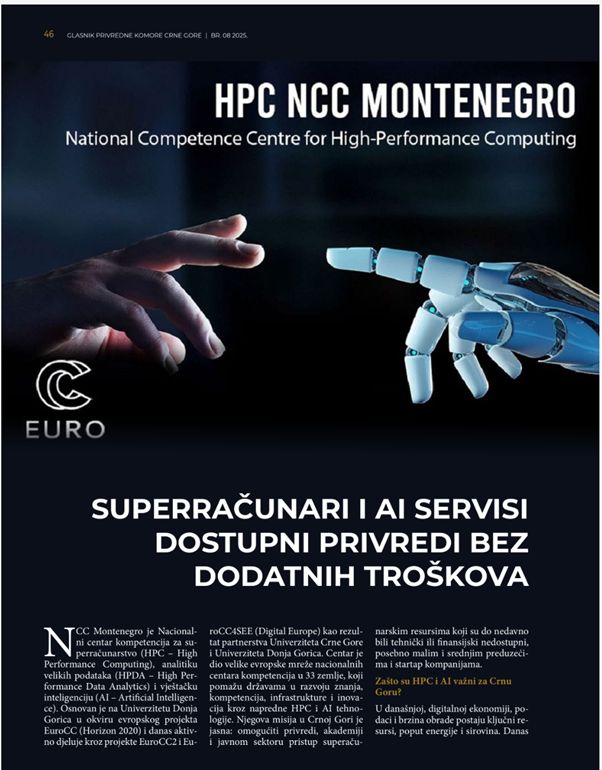
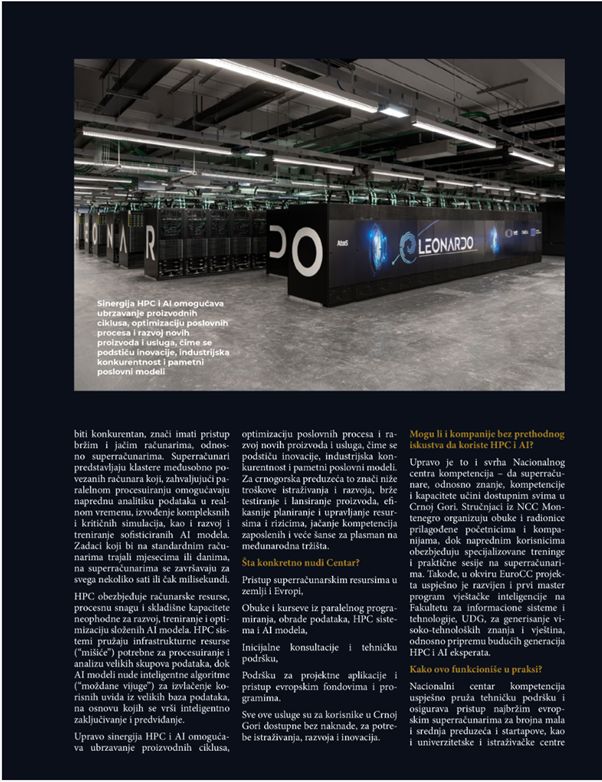
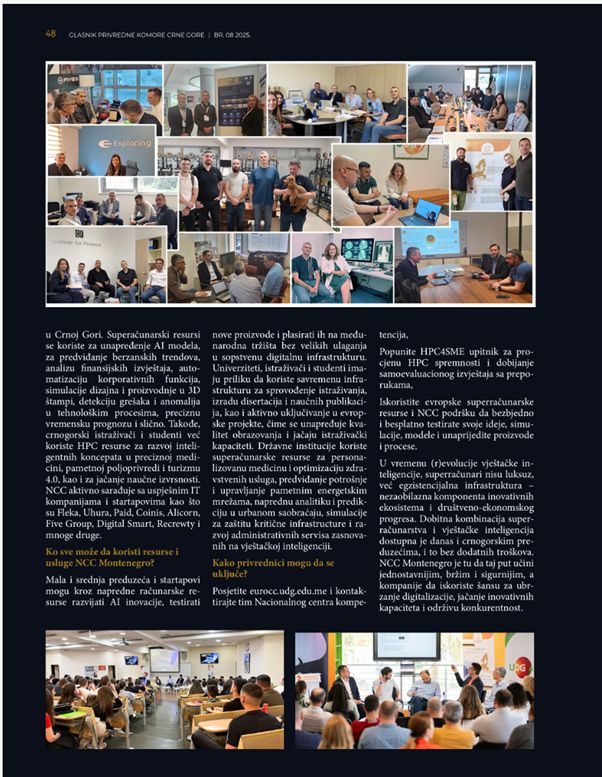
The NCC Montenegro has been presented in the September 2025 edition of Glasnik, the official publication of the Chamber of Commerce of Montenegro.
The article highlights the NCC’s role in strengthening national capacities in HPC/HPDA/AI technologies, providing training, support and access to supercomputing resources for companies, academic institutions and public institutions. Glasnik emphasises why HPC and AI matter for Montenegro: faster data processing, running complex simulations, development of AI models, and accelerated innovation and product development. It describes how NCC supports SMEs and startups by enabling them to test ideas, train models, and develop new digital products without investing in costly infrastructure. Glasnik also notes practical examples of HPC use in Montenegro—financial modelling, weather prediction, smart agriculture, precise medicine and tourism 4.0. The article encourages companies to explore HPC/AI opportunities, NCC support and European supercomputing resources to enhance innovative capacities and international competitiveness.
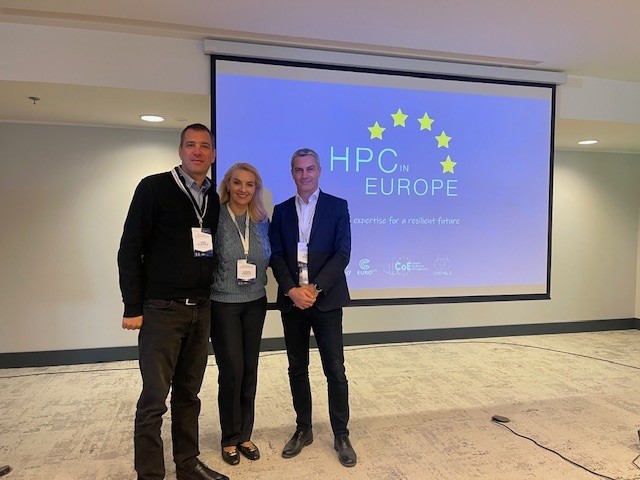
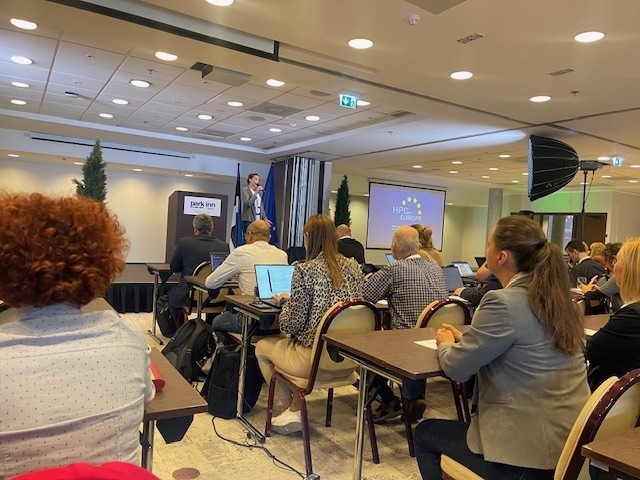
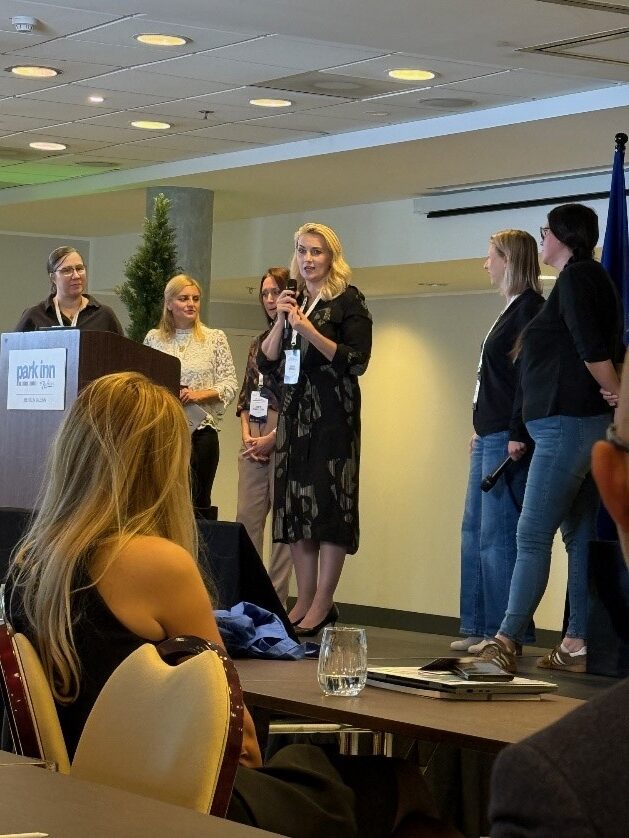
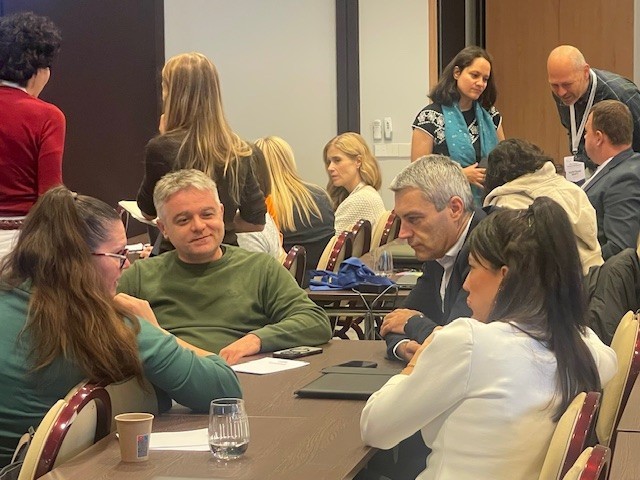
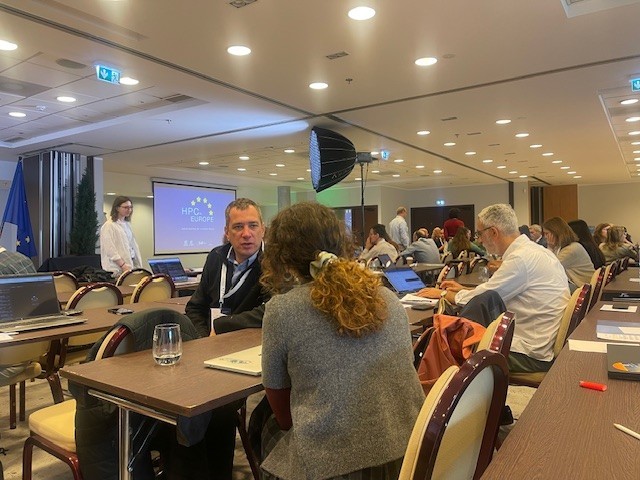
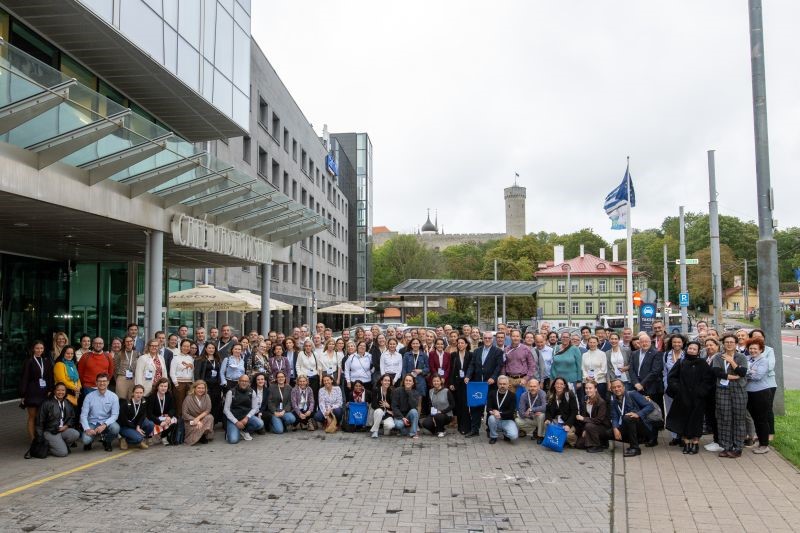
NCC Montenegro successfully concluded its participation at the CASTIEL 2, EuroCC 2, and EuroCC4SEE conference (All Hands Meeting – AHM) held September 23–25, 2025, in Tallinn, Estonia, under the motto: “HPC in Europe – toward a resilient future”
As the final gathering for the current phases of these European HPC, HPDA, and AI projects, the conference endorsed collaborative efforts of Project Management Team (PMT), National Competence Centres (NCCs), and Centres of Excellence (CoEs) to showcase research achievements, industry results, exchange national experiences, and plan further joint initiatives to strengthen the European HPC ecosystem alongside EuroHPC JU partners.
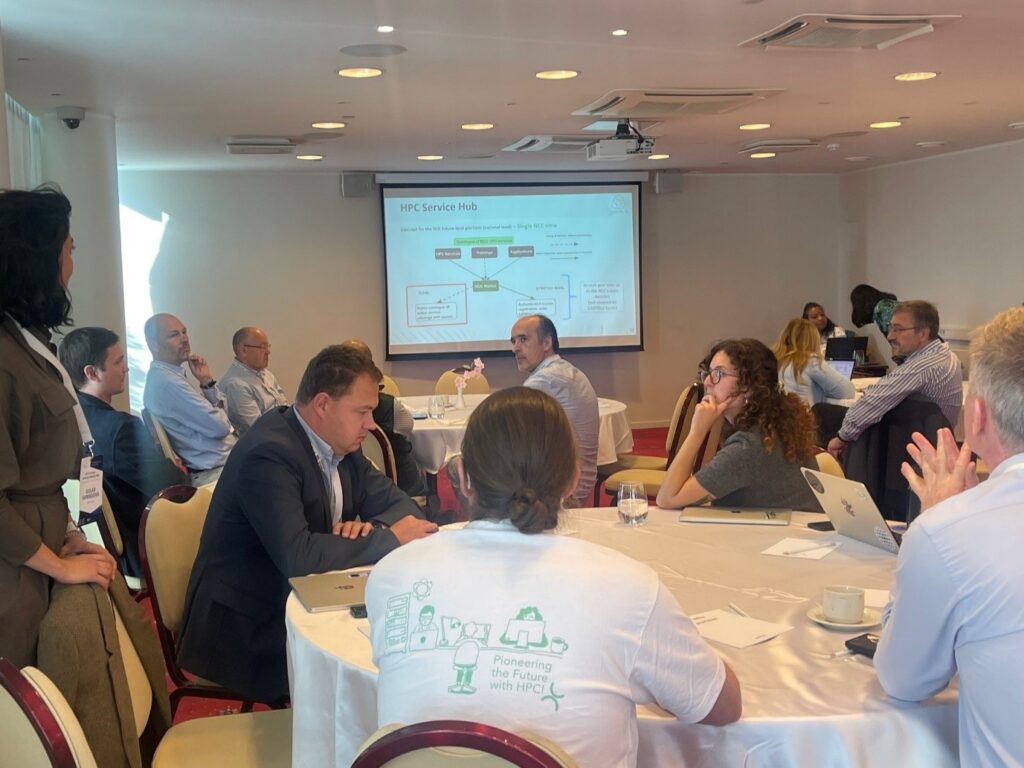
The three-day agenda combined project updates, focused breakout sessions, and strategic discussions. Following a welcoming address, the first day focused on reviewing the status and key activities of the CASTIEL 2 and EuroCC2/4SEE projects. A core session was dedicated to Increasing Visibility, which included presentations on the fully consolidated HPC in Europe portal and the HPC Service Hub expansion – a marketplace tool connecting local users with EuroHPC expertise and resources.
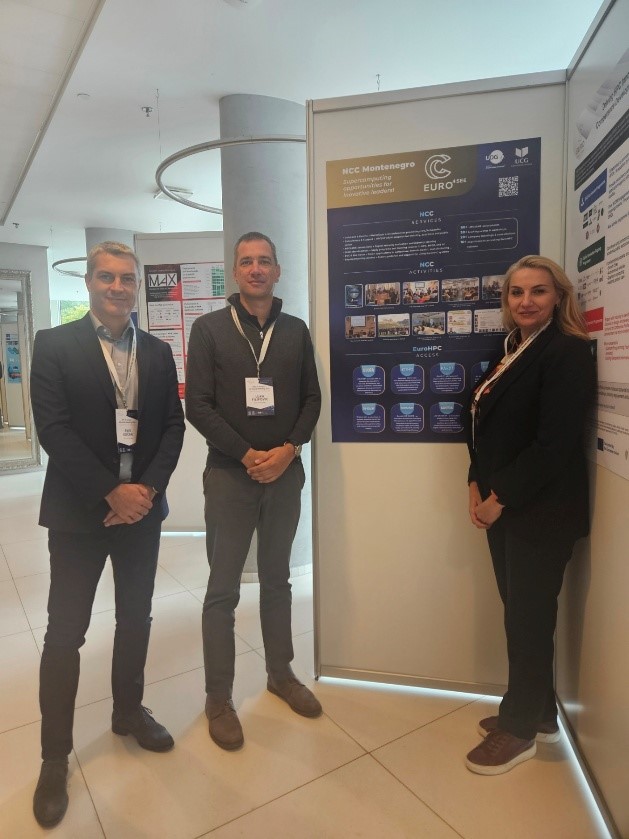
The second day started with an Sustainability working session, focusing on key propositions, main drivers, and challenges of NCC business models beyond JU funding. Both days, afternoon hours were reserved for poster networking sessions, where 33 NCCs and 14 CoEs showcased local/domain HPC outreach, discussed national HPC maturity, and explored opportunities to share knowledge, practices, and activities to address local HPC needs and strengthen the European HPC network.
The third day focused on forward-looking planning, featuring discussions on EuroCC 3 / CASTIEL 3 project activities and cooperation with AI Factories, shaping the strategic direction for the next phase of European HPC collaboration. Furthermore, in parallel, breakout sessions were conducted for NCC/CoE representatives related to Industry Interaction (NCC industry contributions, challenges, and PoC analyses), Training & Skills Development (EVITA – EuroHPC Virtual Training Academy), and Communication Strategies (enhancing team communication).
NCC Montenegro’s participation in Tallinn marks a successful culmination of the current project phases, showcasing its effective industry practices, successful HPC onboarding for SMEs and start-ups, and strong commitment to providing critical HPC and AI support to innovators across Montenegro, while actively contributing to the advancement of the European supercomputing landscape.
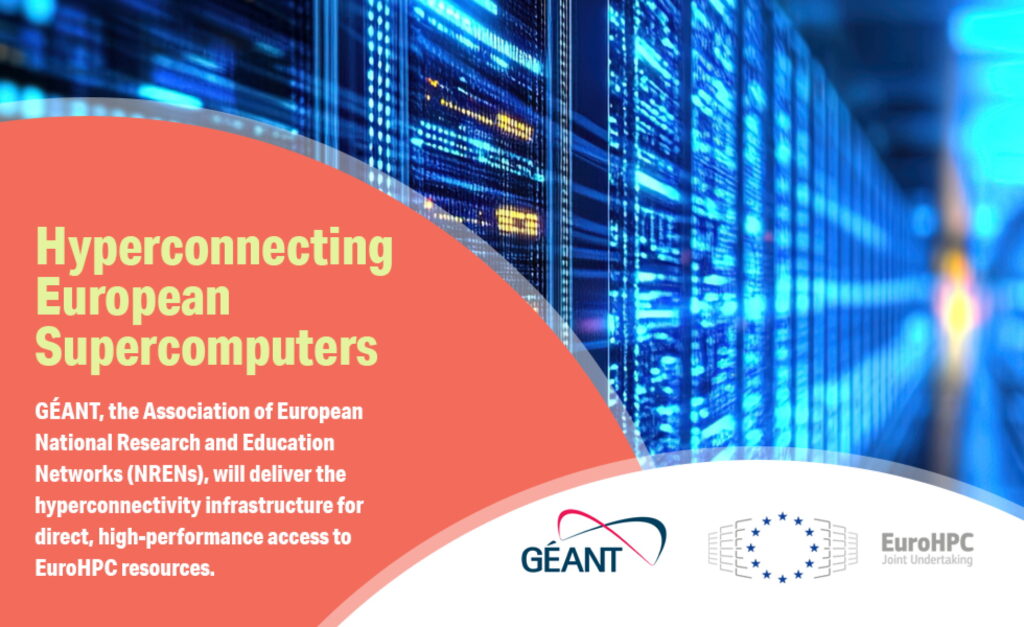
The EuroHPC Joint Undertaking (JU) has awarded a contract to GÉANT, the Association of European National Research and Education Networks (NRENs) to hyperconnect European supercomputers. The contract aims to provide ultra-high bandwidth, secure, pan-European interconnect services for the EuroHPC supercomputing infrastructure, with the goal of giving research communities, public sector, industry, and other innovation stakeholders direct, high-performance access to EuroHPC resources.
In order to equip Europe with a world-leading supercomputing infrastructure, the EuroHPC JU has already procured eleven supercomputers located across Europe. Three of these EuroHPC supercomputers are now ranked among the world’s top 10 most powerful supercomputers: JUPITER in Germany ranks at 4, becoming Europe’s new fastest supercomputer along with LUMI in Finland (9th place) and Leonardo in Italy (10th place). Currently, the EuroHPC JU is also overseeing the implementation of 13 AI factories across Europe that offer free, customized support to SMEs and startups. The EuroHPC JU is also deploying a European Quantum Computing infrastructure, integrating diverse European quantum computing technologies with supercomputers.
GÉANT was selected after an open call for tenders (EUROHPC/2024/OP/0008) and the contract, valued at up to 60 million euro, covers the design, implementation, and operation of the hyperconnectivity infrastructure over 48 months. This agreement strengthens Europe’s supercomputing ecosystem and builds upon the existing GÉANT network infrastructure to create a hyperconnected infrastructure with transmission capabilities in the terabits-per-second range. Initial deployment activities in 27 EU Member State countries are expected to begin soon, with first services available in 2026, connecting EuroHPC supercomputers, AI, and quantum sites.
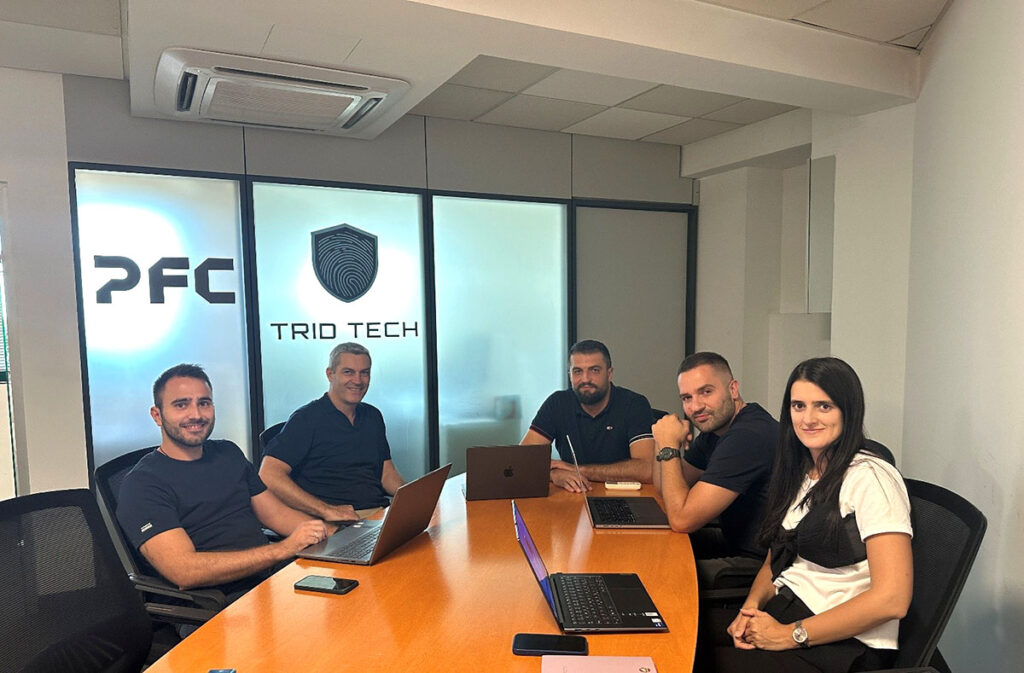
Prof. Enis Kočan, a member of NCC Montenegro, has visited TRID TECH in Podgorica. TRID TECH is a new IT company specializing in comprehensive and customizable managed cybersecurity services, delivered by a team of highly trained professionals. Their focus is on managing cyber risks and ensuring compliance, with the aim of providing an exceptional client experience. Their services include cybersecurity advisory, endpoint and network security, data privacy, and cloud infrastructure security, all geared towards creating robust, secure architectures and meeting regulatory requirements.
During the visit, Prof. Kočan introduced the EuroCC2/EuroCC4SEE project to TRID TECH’s director, Mr. Dmitar Ćulafić, and his team. He detailed the available services and training programs, highlighting the opportunity to access HPC resources for free through EuroHPC JU open calls. TRID TECH, which is working on several GPU-intensive projects, recognized this as a valuable chance to test their algorithms and improve their big data processing efficiency. Prof. Kočan also presented the upcoming 2nd Open FFplus Call for Innovation Studies, outlining its goals, eligibility criteria, and potential benefits..
Within the framework of the international conference CMBEBIH 2025, organized by the Society for Medical and Biological Engineering in BiH, with the co-organization of Verlab and the University of Donja Gorica, experts from the fields of biomedical engineering, technology, and innovation gathered together.
EuroCC and HPC use cases presentation at the opening ceremony of CMBEBIH 2025
A special segment of the conference was dedicated to the National Competence Centres for High-Performance Computing (NCC HPC), where NCC HPC BiH, NCC HPC Montenegro, and NCC HPC Serbia jointly presented:
HPC services available to academia, industry, and the public sector
Successful examples of HPC solutions implemented in companies and institutions
Opportunities for collaboration, development, and support in digital transformation
Presentation of NCC services and success stories for public sector
This event once again confirmed the importance of regional cooperation among NCCs in Southeast Europe, which, through the exchange of knowledge, experience, and resources, strengthens the region’s technological infrastructure and innovation capacity.
Joint initiatives such as this represent a strong step forward in connecting science, industry, and the public sector through the application of advanced digital technologies.
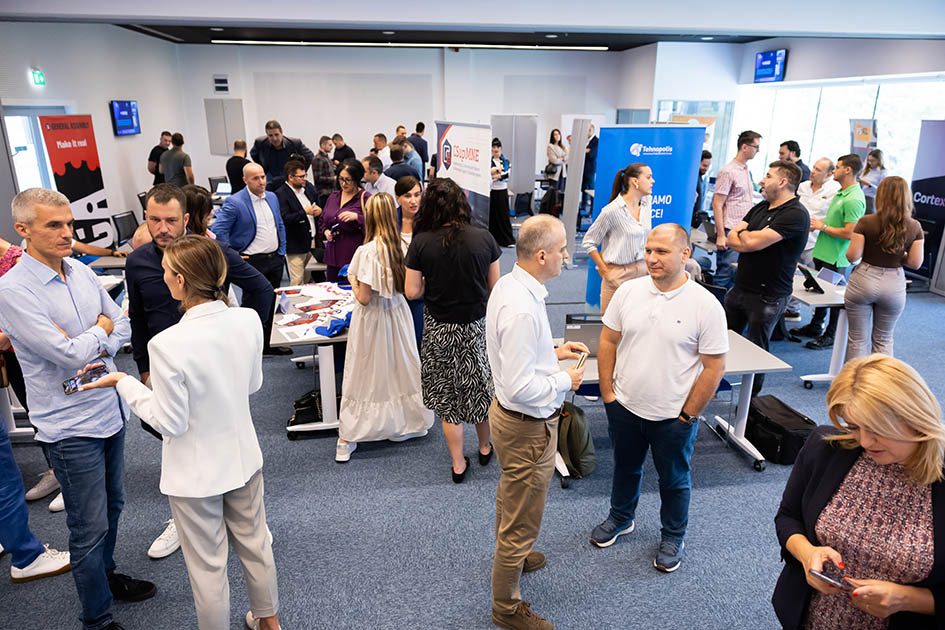
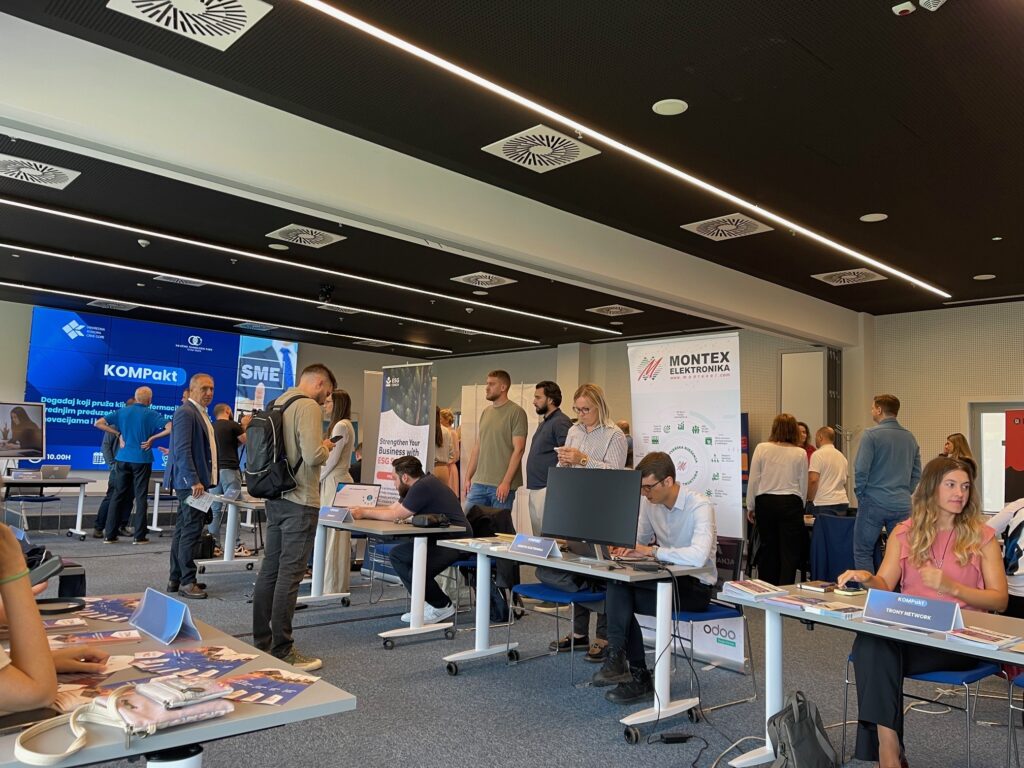
The Chamber of Economy of Montenegro (PKCG), in cooperation with the Science and Technology Park of Montenegro (NTP), organized the interactive event “KOMPakt”, bringing together entrepreneurs, SMEs, innovative companies, IT representatives, universities, and institutions. The event served as a platform to present institutional support measures, promote initiatives for digital and green transformation, and connect businesses with new technologies to enhance international competitiveness.
KOMPact- engaging atmosphere
In her opening remarks, the President of the Chamber of Commerce of Montenegro, Dr. Nina Drakić, emphasized that KOMPakt was conceived as a bridge between business needs and innovative technical solutions, noting that a strong SME sector is essential for Montenegro’s digital and green transformation, European integration, and global competitiveness. Valentina Radulović, Director of the Science and Technology Park of Montenegro, highlighted the role of NTP as a hub where ideas, business and technology converge, encouraging participants to harness the country’s innovative potential and create value-added partnerships.
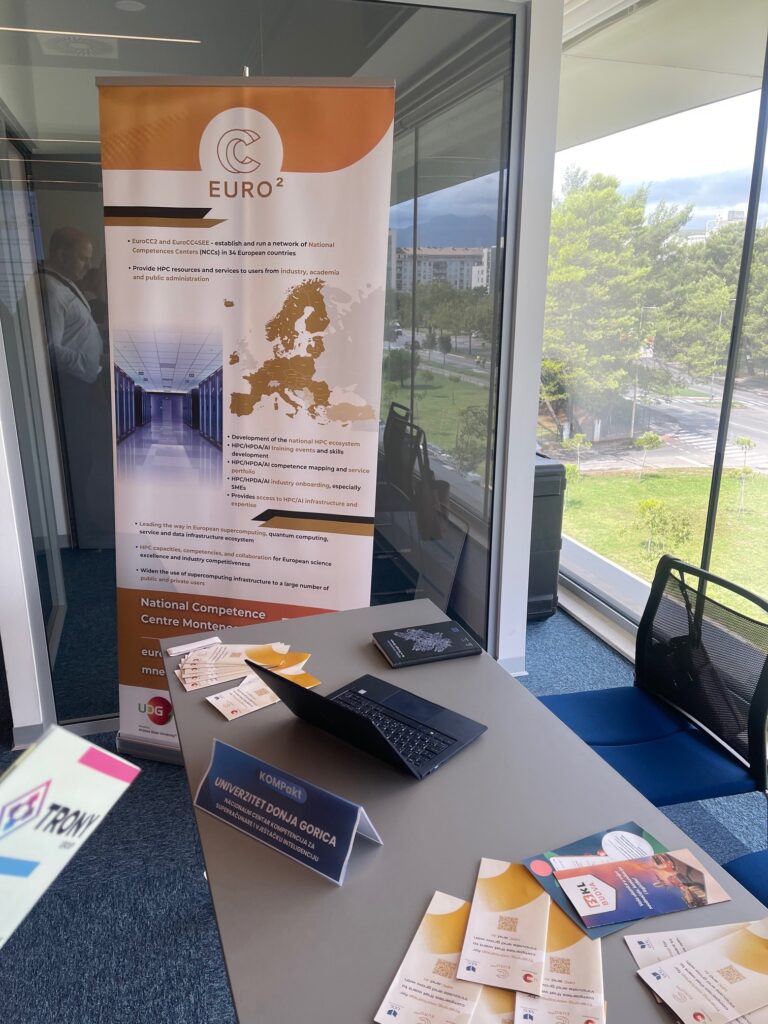
Ready for HPC talks… where ideas meet supercomputers!
NCC Montenegro participated as one of the exhibitors, presenting its activities within the EuroCC2/EuroCC4SEE project. The NCC highlighted opportunities for Montenegrin entrepreneurs, innovators, and industry to adopt HPC and AI solutions—offering customized training, expert consultancy, and access to leading European supercomputers at no additional cost. Visitors engaged in discussion on their project ideas and business needs, ranging from advanced trading strategies for the capital markets, over smart tourism app enhancements, to precise long-term weather forecasting models, leveraging HPC capabilities and NCC support.
KOMPact –opportunity for new productive collaborations
By engaging directly with key national stakeholders and innovative SMEs, NCC Montenegro reaffirmed its mission to drive digital acceleration and enhance industry competitiveness through the powerful convergence of HPC and AI.
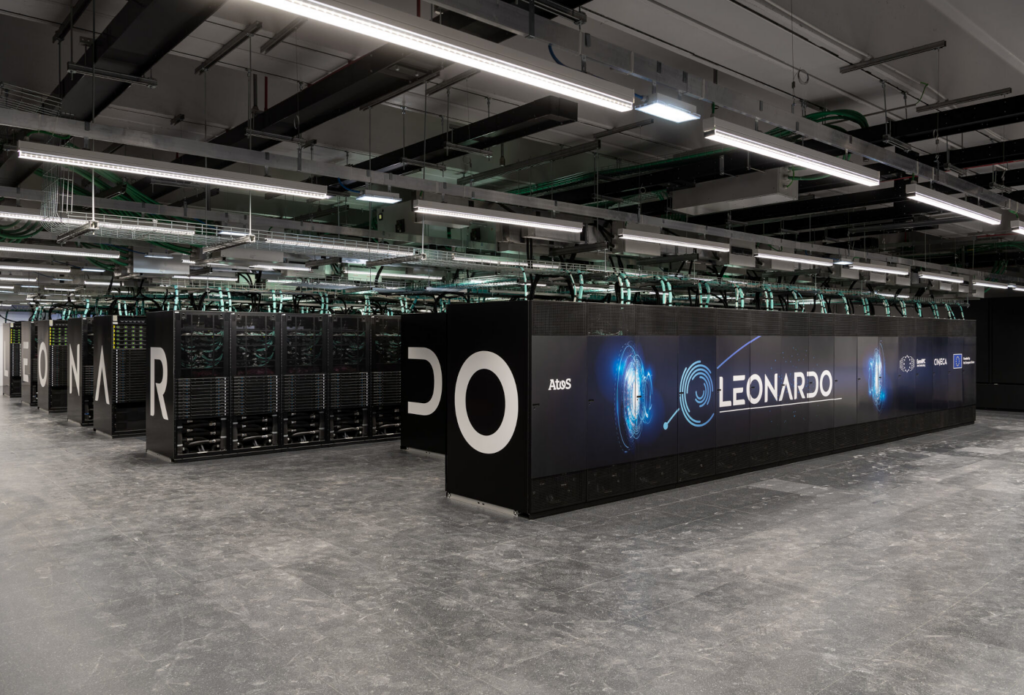
In order to successfully conduct new research directions within the project “AI Segmentation and Inspection by 3D Scanning,” researchers from the Center for Computer Sciences at the Faculty of Science and Mathematics have developed another successful application for utilizing HPC resources provided by EuroHPC Joint Undertaking. After completing the report for previous resource usage under the Benchmark call, and with the support of the NCC Montenegro team from the University of Montenegro, an application was prepared to access the Leonardo supercomputing center under the Development call.
As a result of this project, it is anticipated that the system for automatic segmentation of 3D representations of mechanical assemblies obtained through 3D scanning will be expanded. This opens up possibilities for applications in fields such as reverse engineering, quality control, augmented reality (AR), virtual reality (VR), and more. Additionally, the project is expected to culminate in the defense of a doctoral dissertation in this area.