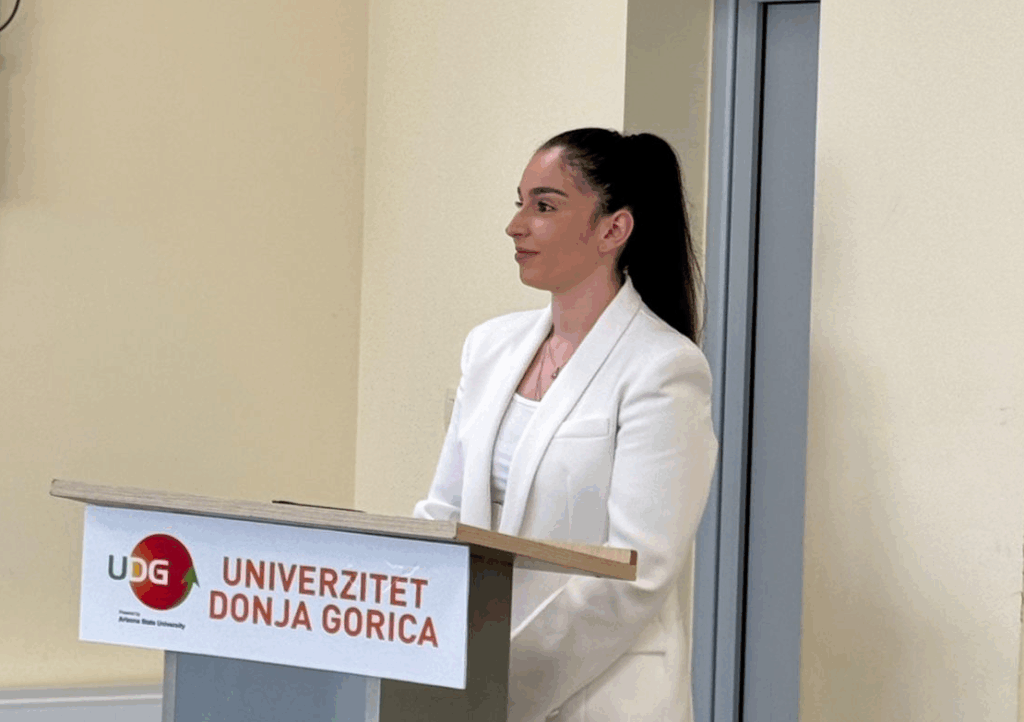
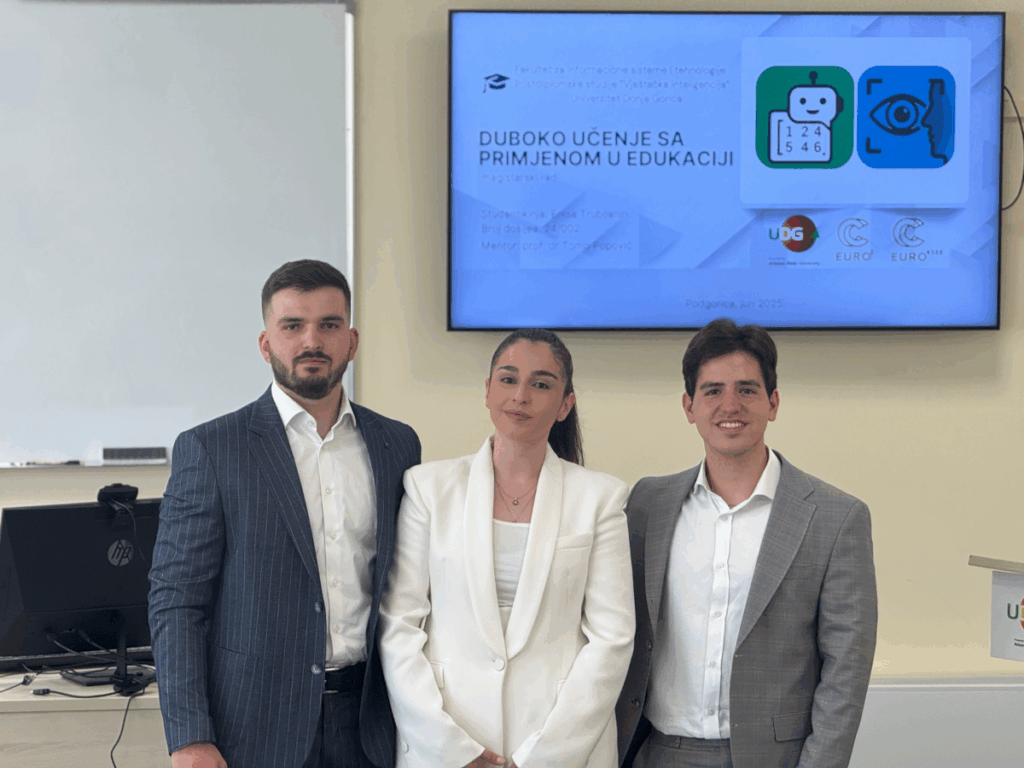
Ms. Enisa Trubljanin successfully defended her master’s thesis titled “Deep Learning with Application in Education” at the Faculty of Information Systems and Technologies, University of Donja Gorica. The development and testing of these solutions were supported by high-performance computing (HPC) resources provided through the EuroCC initiative in Montenegro.
Ms. Enisa Trubljanin
ABSTRACT – This master’s thesis explores the potential application of deep learning in education through the development and evaluation of two concrete solutions: an intelligent chatbot for solving matrix problems and a model for detecting cheating during online exams by analyzing eye movement. The first part of the thesis provides a theoretical foundation of deep learning, with a focus on neural networks, their architectures, transfer learning, and evaluation metrics. The practical part presents the development of a chatbot based on advanced language and mathematical models, implemented using high-performance computing cluster resources, enabling students to engage in interactive mathematics learning. Additionally, a model for detecting cheating through gaze analysis was developed, trained on the Columbia Gaze Dataset, and integrated into an online exam proctoring system. Evaluation results demonstrate a high level of accuracy and user satisfaction for both solutions. Beyond the technical aspects, the thesis also addresses ethical issues and privacy concerns related to the use of artificial intelligence in educational settings. Based on the findings, the study highlights the broad range of potential applications of deep learning in modern educational systems.
ITAS is in the implementation phase of the project “AI system for pathological analysis of adenocarcinoma (PathAI)”, co-financed by the Innovation Fund of Montenegro, when processing the collected images requires GPU resources that exceed locally available resources, so the application to the EuroHPC JU Development call was recognized as the optimal solution. To this end, the Director of ITAS, Ivan Bošković, requested assistance from the NCC Montenegro team in preparing the application.
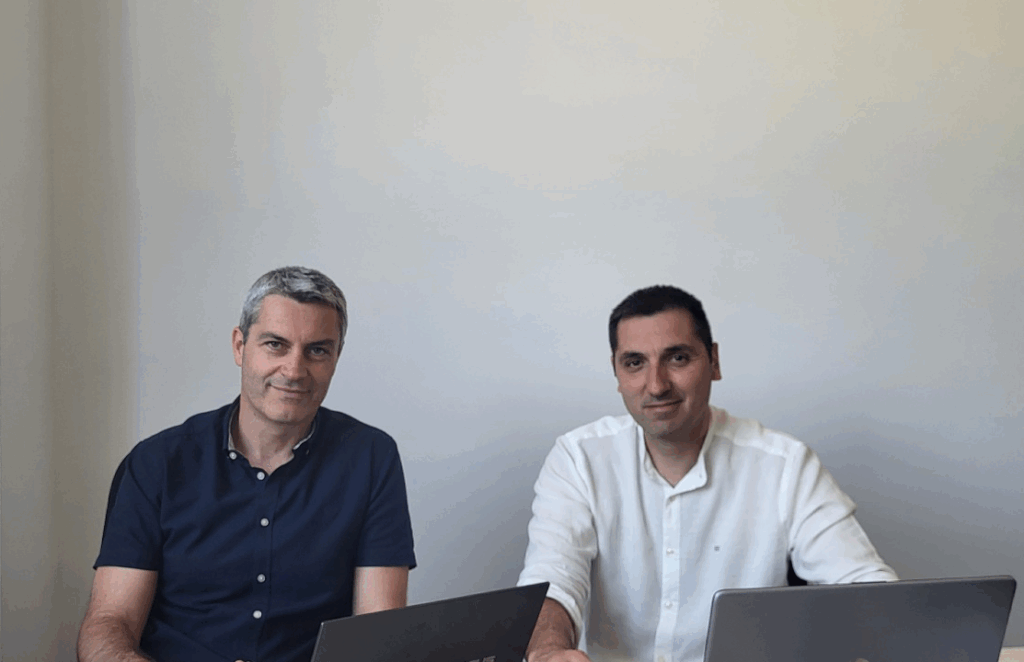
Prof. Enis Kočan, a member of the NCC Montenegro team, visited ITAS on Tuesday, June 24, and provided all the information and technical details necessary for preparing the application to the EuroHPC JU Development call. ITAS will apply for the necessary GPU resources to the Development call by the end of June.
prof. Enis Kocan (UCG) and mr Ivan Boscovic (ITAS)
In addition, during the meeting, other projects that ITAS is currently working on were discussed, as well as possibilities for cooperation with the NCC Montenegro team. Prof. Enis Kočan presented to Director Bošković the second open Fortissimo plus call for Business Experiments, intended for small and medium-sized enterprises.
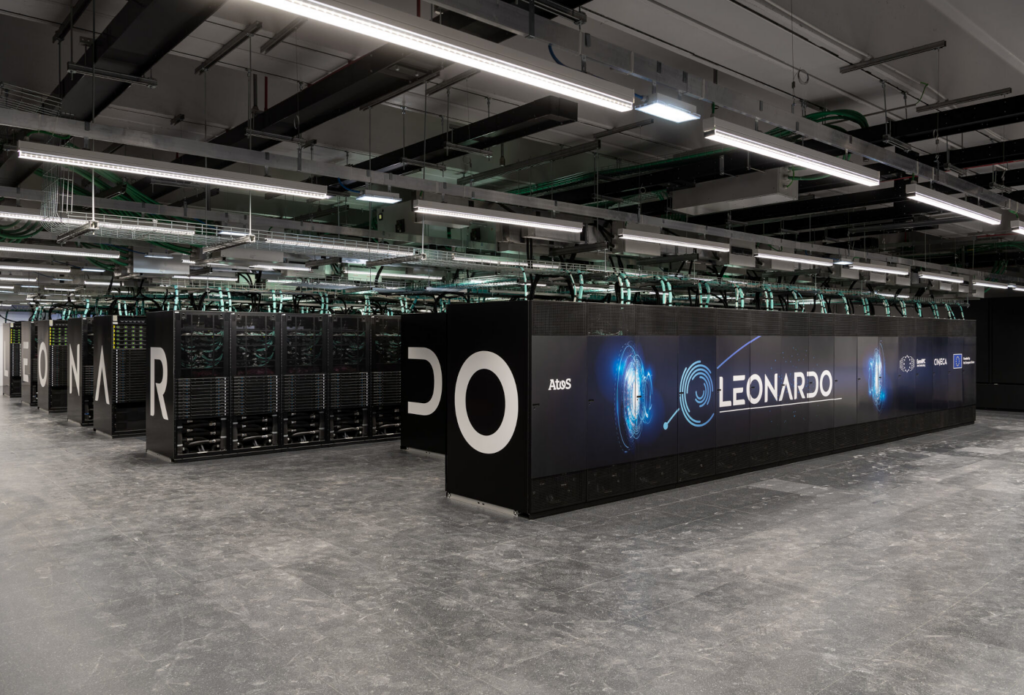
We are pleased to announce that two Montenegrin SMEs, Recrewty and DigitalSmart, have been awarded access to the Leonardo Booster at CINECA, one of Europe’s most powerful high-performance computing (HPC) systems. The access is granted under the EuroHPC JU Development Call, providing 12 months of HPC resources to support advanced AI development and innovation.
The awarded project, HPC4HR – High-Performance Computing for Human Resources, aims to revolutionize recruitment processes in the Western Balkans through the integration of generative AI (GenAI) and HPC technologies. The project focuses on analyzing multimodal data—text, audio, and video—from candidate applications to enable efficient, unbiased, and culturally sensitive hiring processes. The HPC resources will be used in support to their joint FFPlus project GenAI-HPC4WB (link).
The GenAI-HPC4WB project combines GenAI, ML, and HPC to optimize hiring processes and enhance business culture in the Balkan region
To achieve this, the project will leverage cutting-edge AI models such as LLaMA 3.x, Mistral, Wav2Vec 2.x, Whisper, FaceNet, and DeepFace, all fine-tuned using HPC resources at CINECA. These models will be developed to evaluate resumes, analyze psychometric traits from audio recordings, and interpret emotional and behavioral cues from HR data. By utilizing HPC, the project ensures scalability and processing speed, enabling large datasets to be handled efficiently, significantly shortening recruitment cycles and improving candidate matching. In addition to enhancing operational efficiency, HPC4HR emphasizes ethical AI development, aiming to reduce biases in recruitment and promote diversity and inclusion. The expected outcomes include a set of adaptable, high-performance AI tools that set new standards for digital transformation in human resources, applicable across industries and geographies.
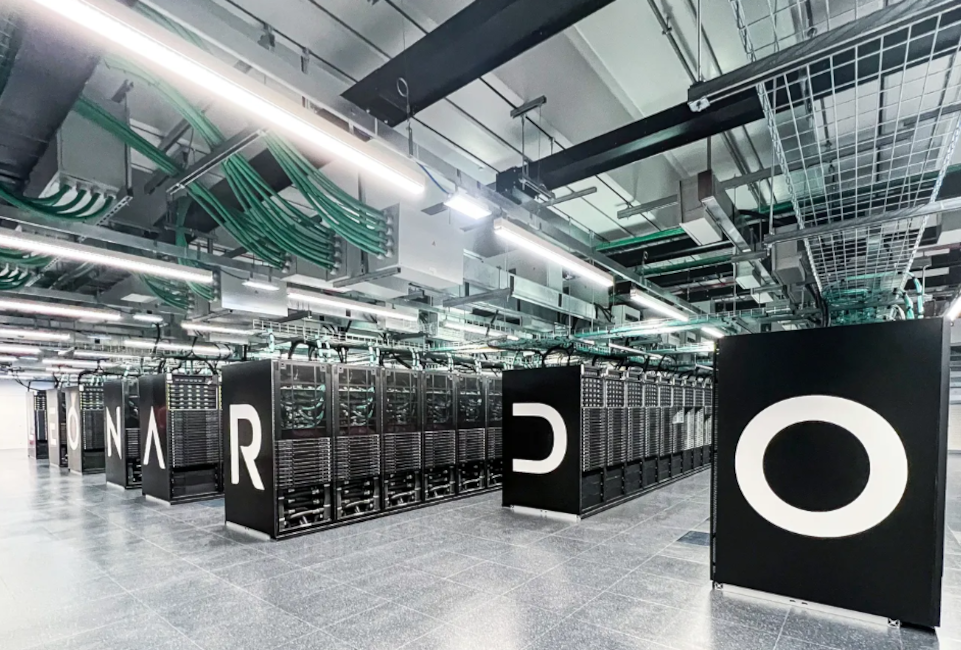
Leonardo Booster partition will be used in this project
The success of Recrewty and DigitalSmart reflects the growing impact of NCC Montenegro in strengthening the national HPC and AI ecosystem. By supporting companies in accessing leading European HPC infrastructure, NCC Montenegro continues to drive digital innovation, competitiveness, and technological excellence in the region.
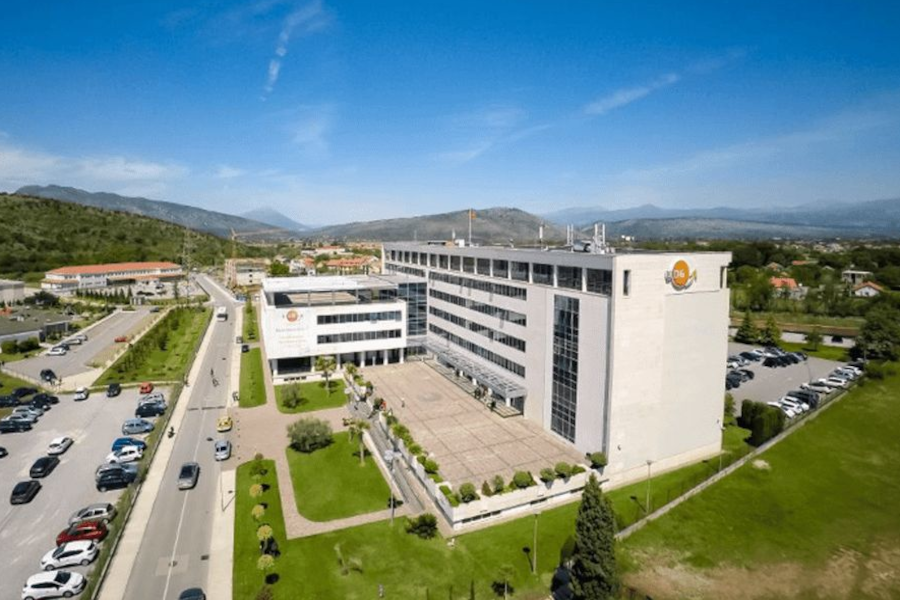
The Faculty for Information Systems and Technologies (FIST) at the University of Donja Gorica (UDG) has been awarded a prestigious grant through the EuroHPC Joint Undertaking Open Call, marking a significant milestone for Montenegrin academic engagement with cutting-edge high-performance computing (HPC) resources.
As part of this grant, FIST has secured access to the Leonardo Booster partition at CINECA, one of the most powerful supercomputers in Europe. This will enable FIST researchers to perform large-scale experiments that are otherwise infeasible with standard computing infrastructure.
FIST at UDG gained access to Leonardo BOOSTER via EuroHPC JU open calls
The awarded project focuses on cross-lingual transfer learning in large language models (LLMs), aiming to systematically evaluate how model architecture and scale influence multilingual performance. By fine-tuning major LLM families (LLaMA, Mistral, DeepSeek) across model sizes from 1B to 70B parameters, the research will generate insights into optimal model selection under real-world resource constraints—critical for European institutions working with diverse languages and limited compute budgets. This is a development project with HPC resources available for 12 months.
The research focuses on cross-lingual transfer learning in large language models (LLMs)
This achievement underscores the growing capacity of UDG and FIST to contribute to frontier AI research, while reinforcing the mission of the National Competence Center in HPC (NCC Montenegro) to support HPC adoption across academia and industry in the region.
We congratulate the FIST team on this major success and look forward to sharing results from their HPC-powered investigations.
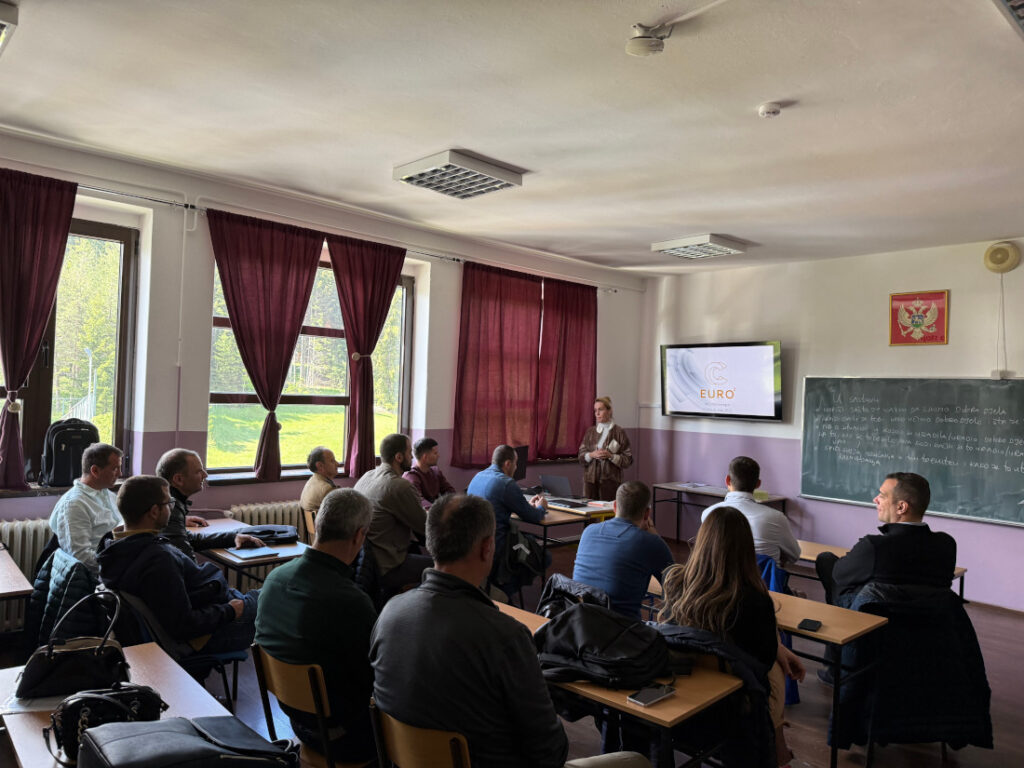
Žabljak, Montenegro – NCC Montenegro, in collaboration with the 29th IT Conference, successfully hosted a dynamic two-day training event, “HPC and Industrial Cooperation – Opportunities and Perspectives,” on May 29th and 30th, 2025. Set against the stunning mountain ambiance and wild beauty of Žabljak, this initiative, implemented within the framework of the EuroCC2 and EuroCC4SEE projects, aimed to spotlight High-Performance Computing (HPC) as a pivotal instrument for advancing industrial operations. The agenda for the event is available at the following [link].
prof. Bozo Krstajic gave an introdduction the event and workshop at the openning social event
The core objective of the training was to introduce businesses to the transformative potential of HPC. The event saw enthusiastic participation from various industry representatives, including AI One, DigitalSmart, FiveG, Paid ME, Recrewty, Saga, and others. Through a series of presentations, practical examples, and interactive discussions, these participants explored avenues for implementing HPC within their respective companies. The event facilitated the identification of solvable challenges, an understanding of necessary resources, and the establishment of valuable B2B connections with members of NCC Montenegro.
prof. Sandra Tinaj gave an overview of the project, introduiced new opportunities such as Fortissimo calls
The training commenced with a warm welcome and registration, followed by an introductory session on HPC and its critical importance across various industrial sectors. Participants gained insights into the services and support NCC Montenegro offers to firms, under the banner “Count on HPC: Training and Applications.” A significant portion of the agenda was dedicated to showcasing concrete industrial use cases of HPC, demonstrating tangible benefits for businesses. The afternoons fostered engaging discussions on potential HPC applications within the attendees’ companies, alongside an exploration of the support, services, and infrastructure required for effective HPC implementation. The schedule also included valuable networking opportunities, including organized outdoor activities allowing attendees to soak in the natural splendor of Žabljak.
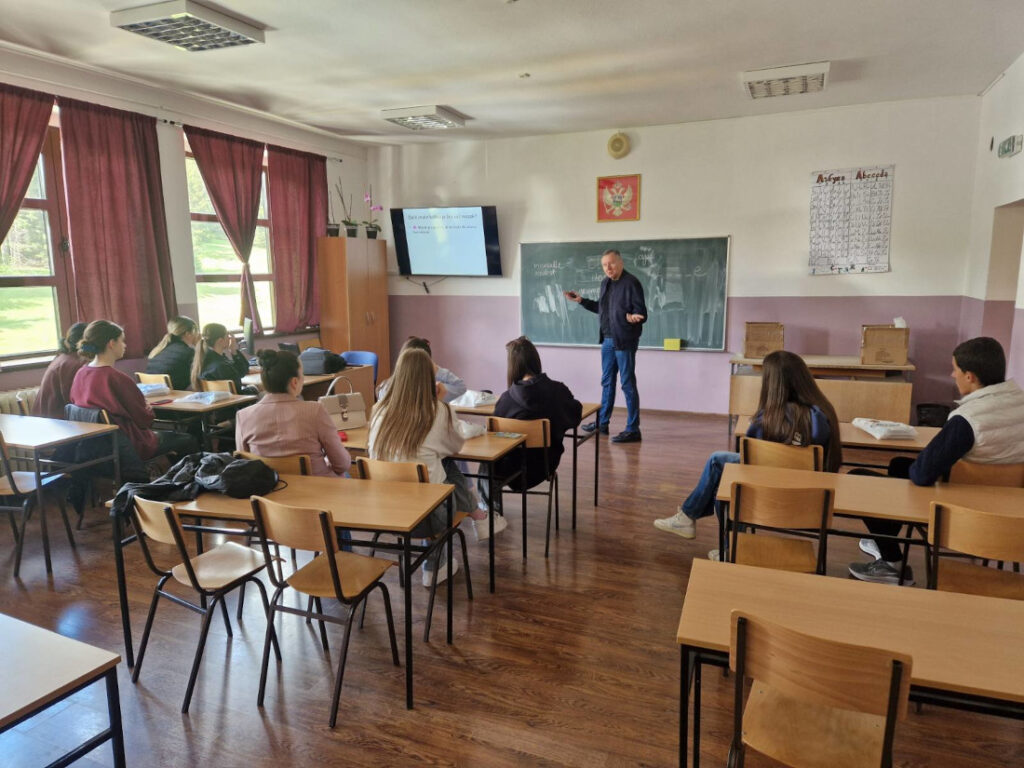
prof. Milutin Radonjic gave a presentation to high school students prof. Luka Filipovic presented NCC Montenegro activities and services
A commendable outreach initiative was the visit to the “SMŠ 17.septembar” high school in Žabljak. Representatives from NCC Montenegro delivered a presentation on HPC to students, aiming to spark their interest in STEM fields and showcase the opportunities arising from digital transformation and high-tech development. This activity also provided a platform for students to engage in discussions, thereby contributing to the local community through knowledge sharing and the application of modern technologies.
prof. Enis Kocan talked about succces stories, open calls for HPC resources
The training also focused on building bridges and planning future actions. Participants had the opportunity for individual B2B meetings and consultations with NCC Montenegro experts. A dedicated session on planning further steps helped outline future collaboration between NCC and industry, including the formation of working teams and implementation plans. The event culminated with participants presenting their preliminary ideas for HPC applications within their firms, followed by a final networking lunch and closing remarks that summarized key takeaways and recommendations for future endeavors.
Local SMEs shared their experiences with previous Fortissimo callsLocal SMEs shared experiences on the use of HPC resources through EuroHPC open calls
This event, enriched by the inspiring Montenegrin landscape, marks a significant step forward in integrating HPC into Montenegro’s industrial fabric. By fostering understanding, collaboration, and inspiring the next generation, NCC Montenegro is paving the way for a future driven by innovation and high-performance computing.
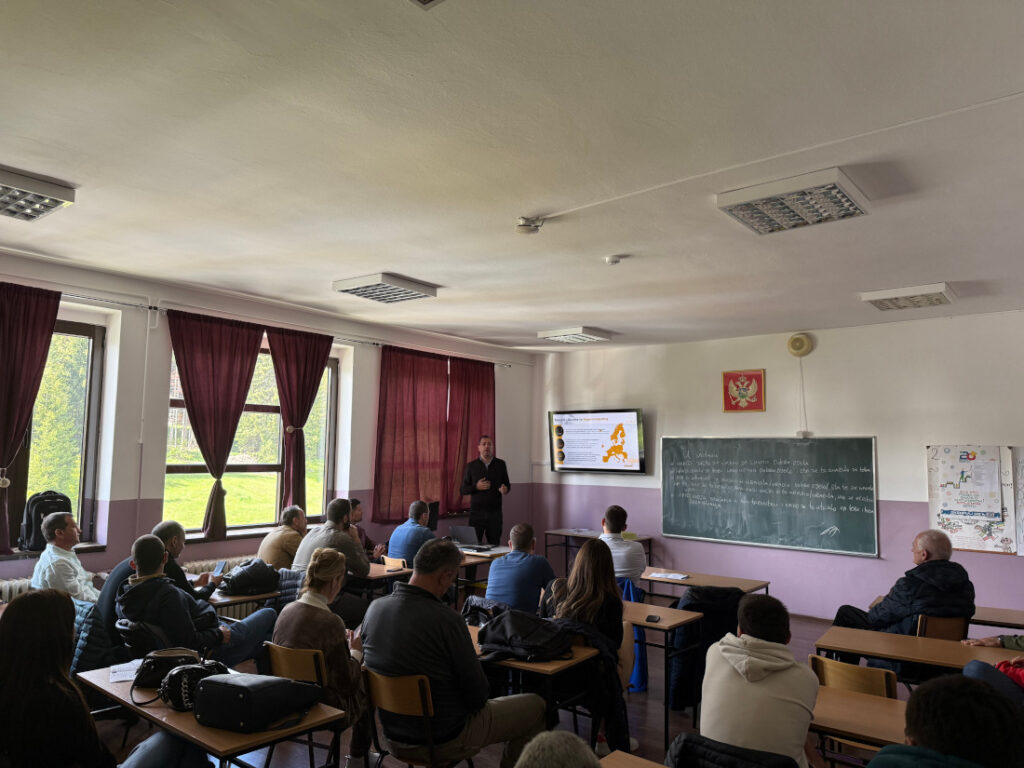
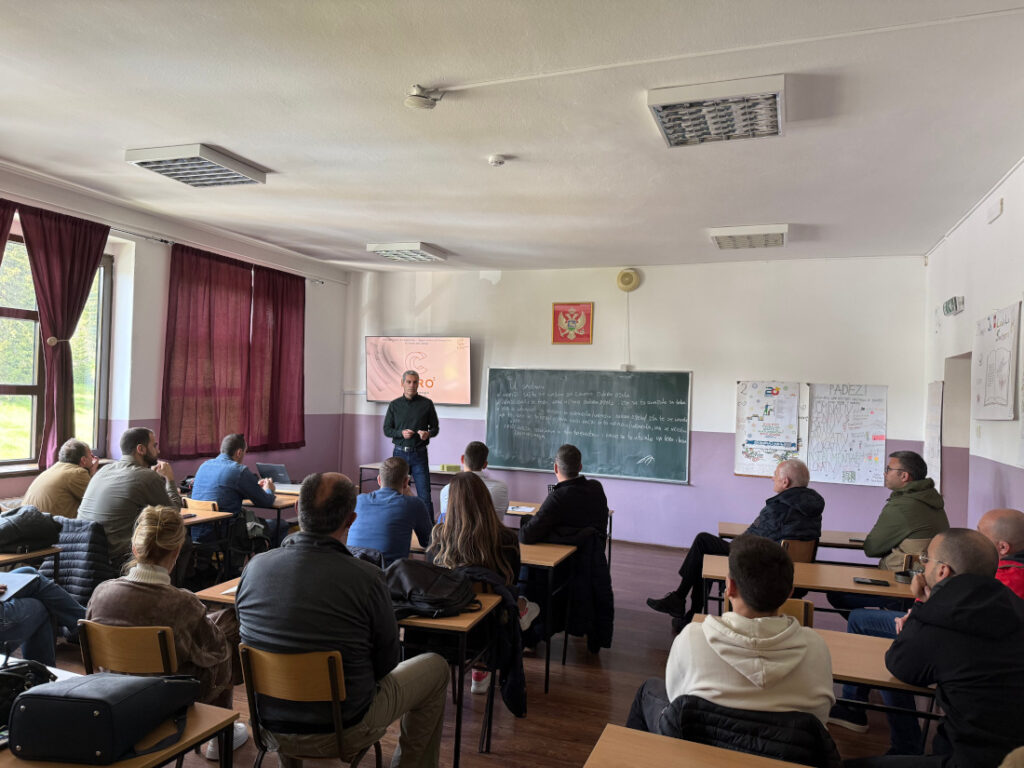
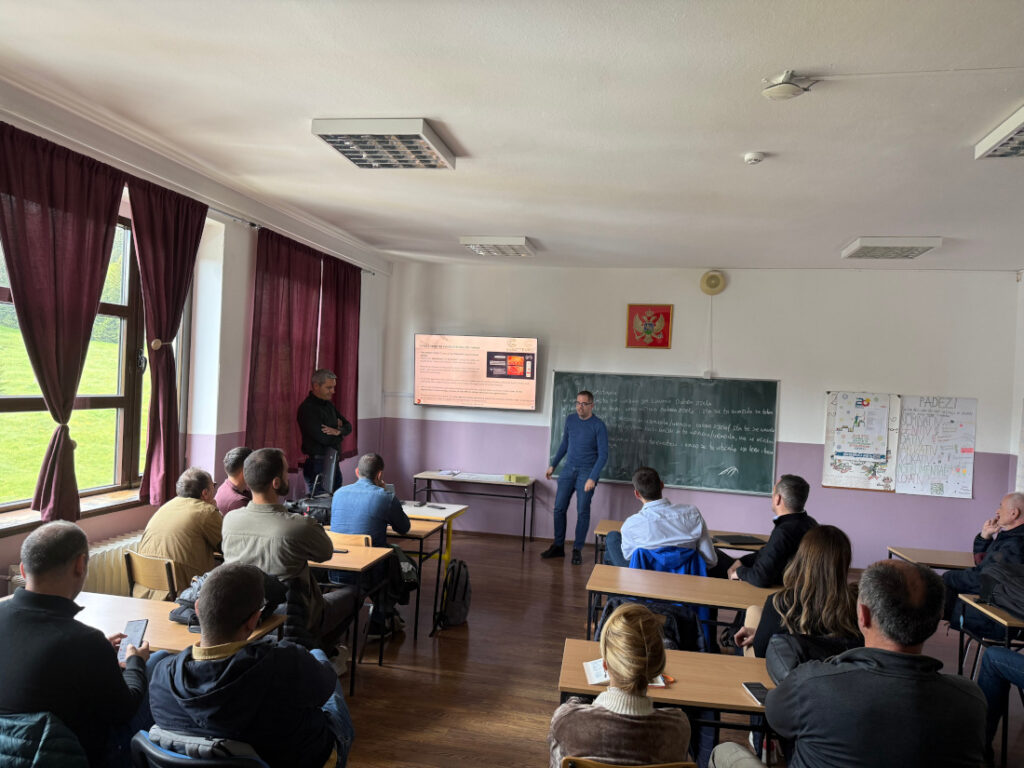
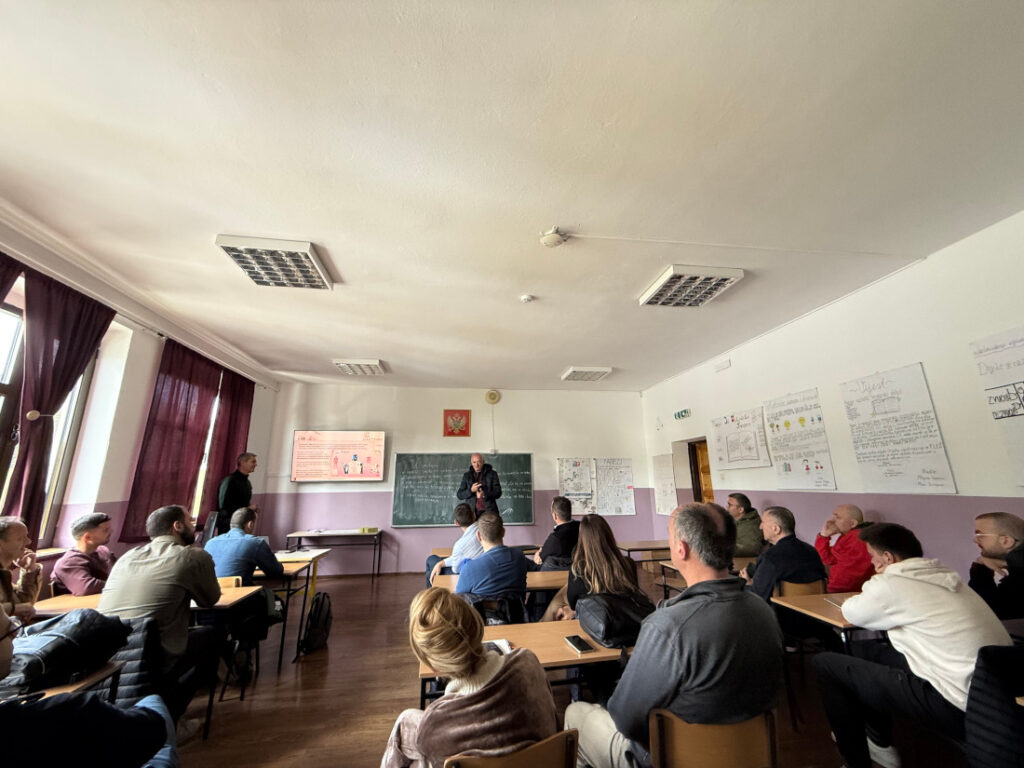
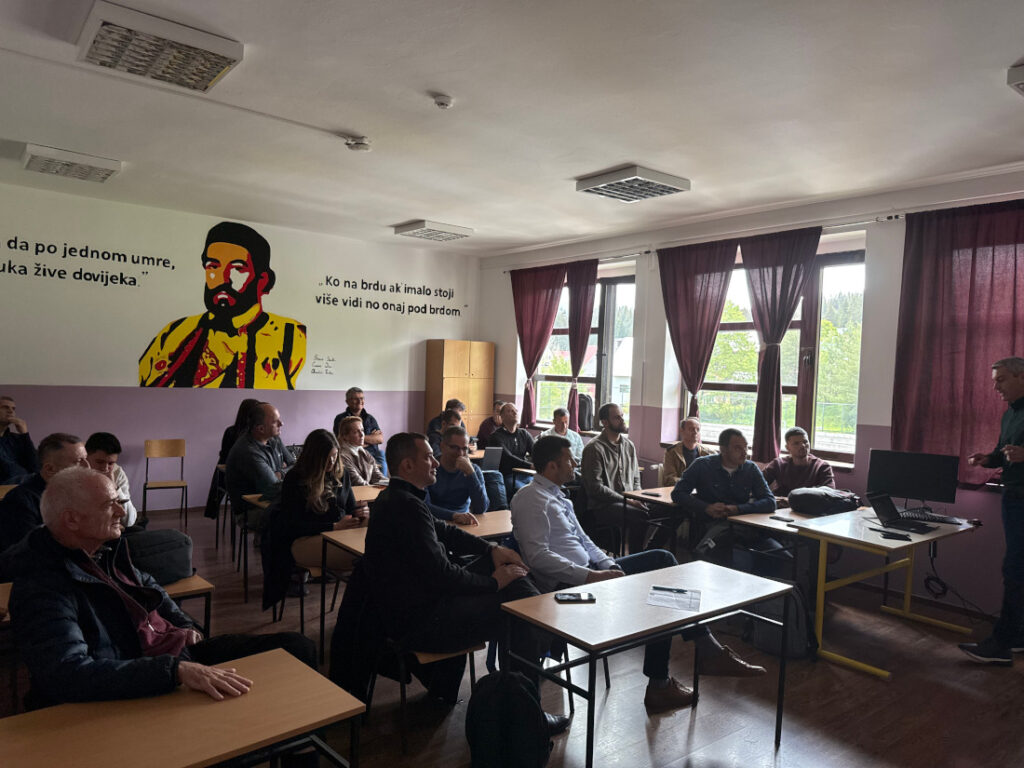
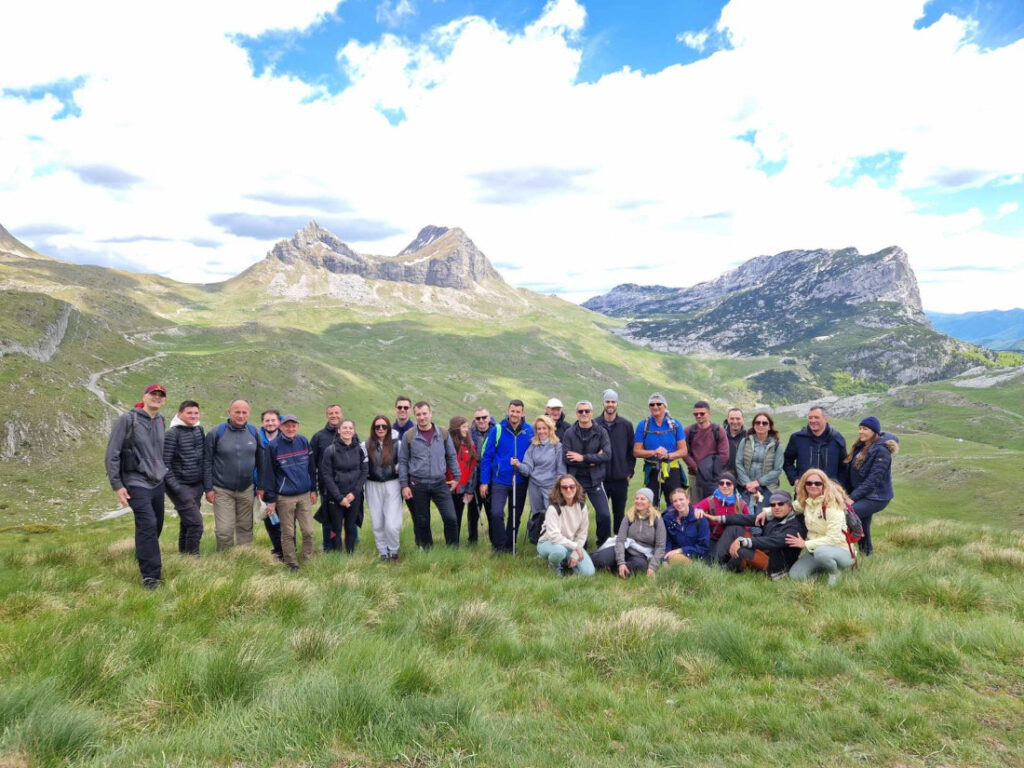
The main workshop took place in the local high schoolUnforgettable ambient of Montenegrin monitains near Zabljak
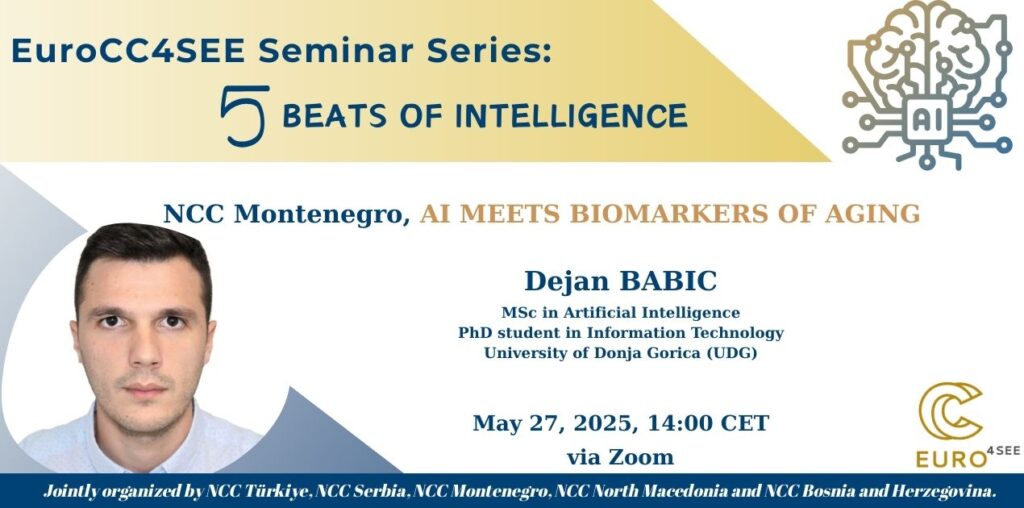
Successful presentation and from Dejan Babic from University of Donja Gorica at the EuroCC4SEE Seminar organized by NCC Turkiye. This was a part of the EuroCC4SEE project, five countries – Türkiye, Serbia, Montenegro, North Macedonia, and Bosnia and Herzegovina – have joined forces to present an engaging online seminar series titled: “5 Beats of Intelligence: AI Meets Diverse Domains”.
More details on schedule of seminar presentations and and registrations can be accessed at NCC Turkiye website at the foillowing link.
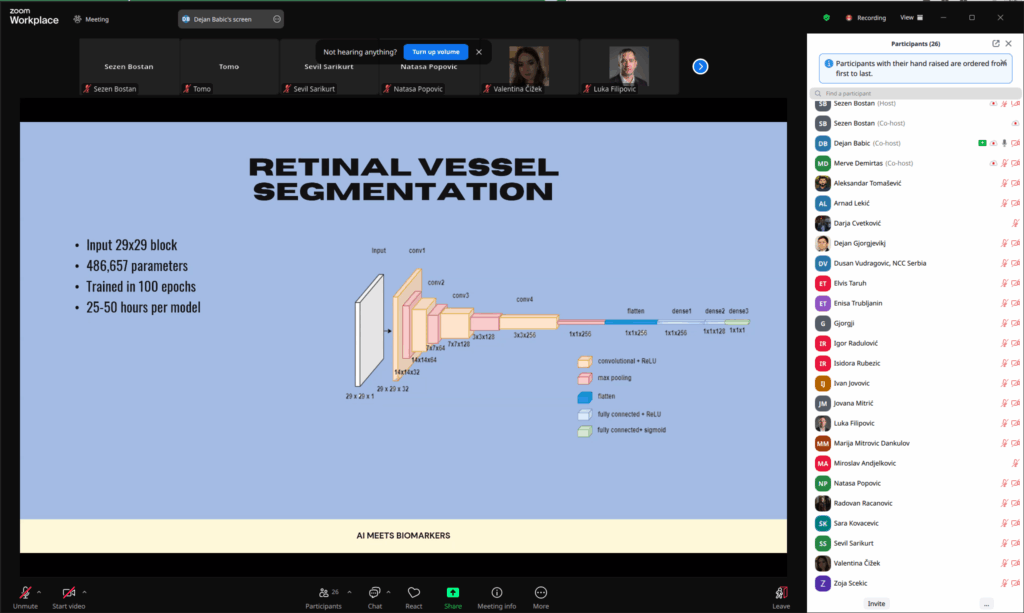
Successful presentation at the Seminar series, around 25 attendeesThe presentation covered use cases from the AI-AGE project implemented at UDG with NCC support
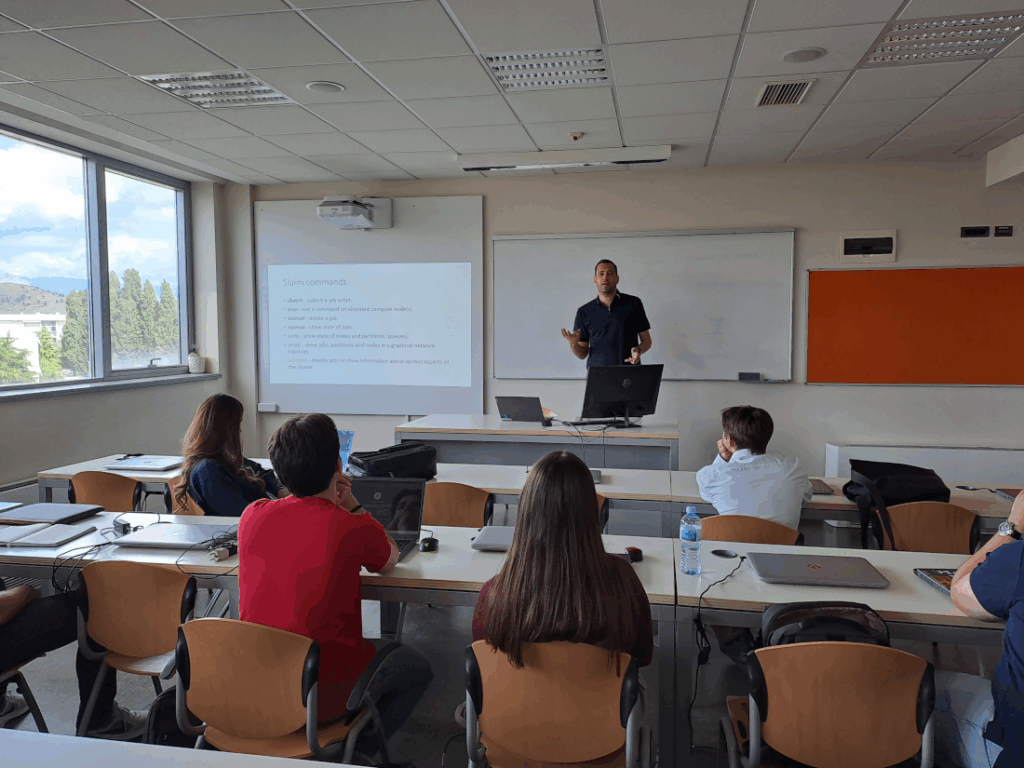
On May 27, 2025, the National Competence Center for HPC in Montenegro organized a one-day short course titled “Introduction to SLURM on Computing Cluster.” This training session was designed to introduce participants to the basics of SLURM, the most widely used workload manager for high-performance computing environments.
dr Luka Filipovic gave an introduction to UDG computiong cluster, SLURM comands
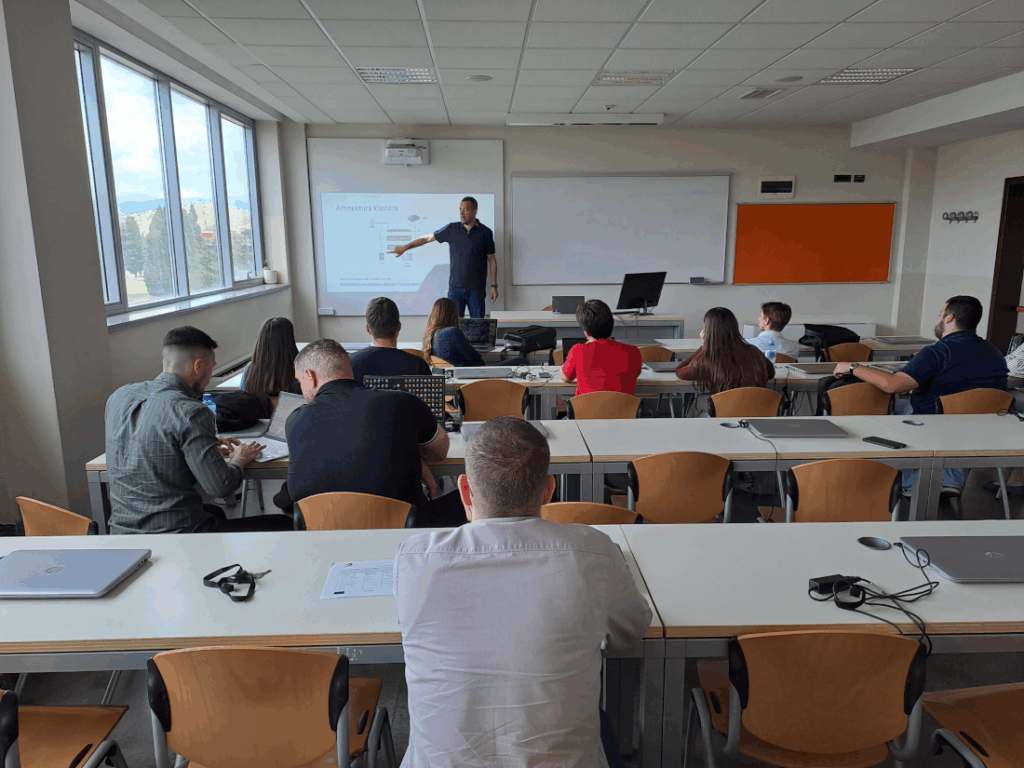
The course gathered 13 attendees, including postgraduate students, academic researchers, and a few representatives from industry. The participants had the opportunity to learn how to submit, manage, and monitor jobs on an HPC system using SLURM through a mix of theoretical overview and hands-on examples.
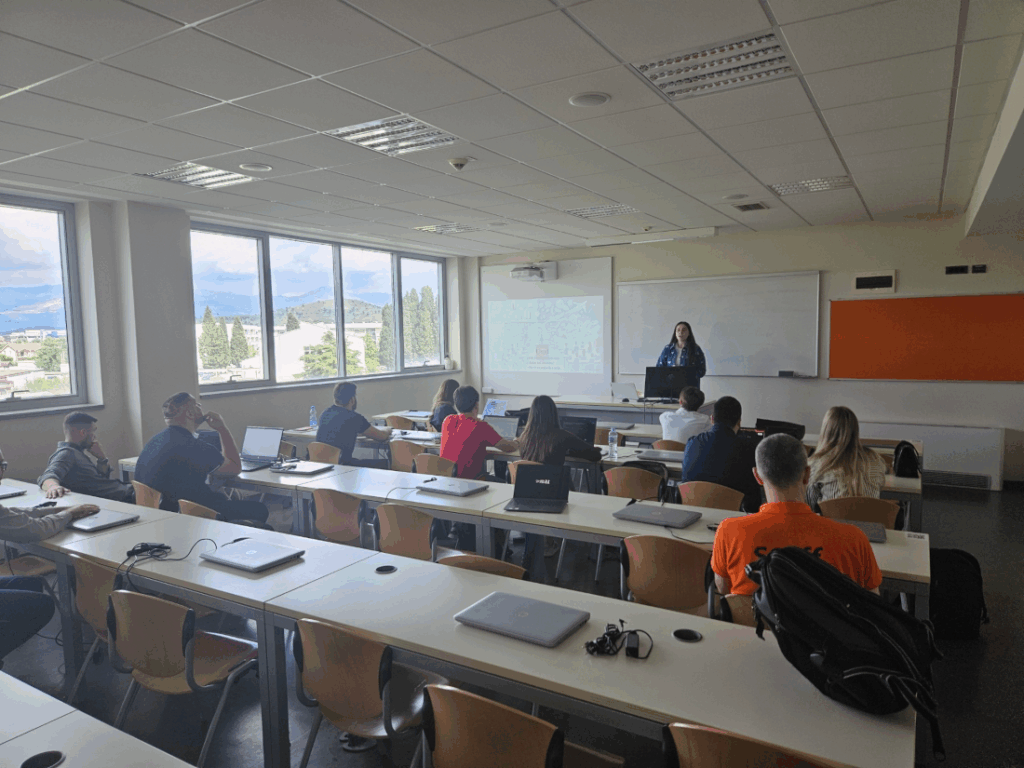
ms Enisa Trubljanin presented her research, activity of UDG AI Club
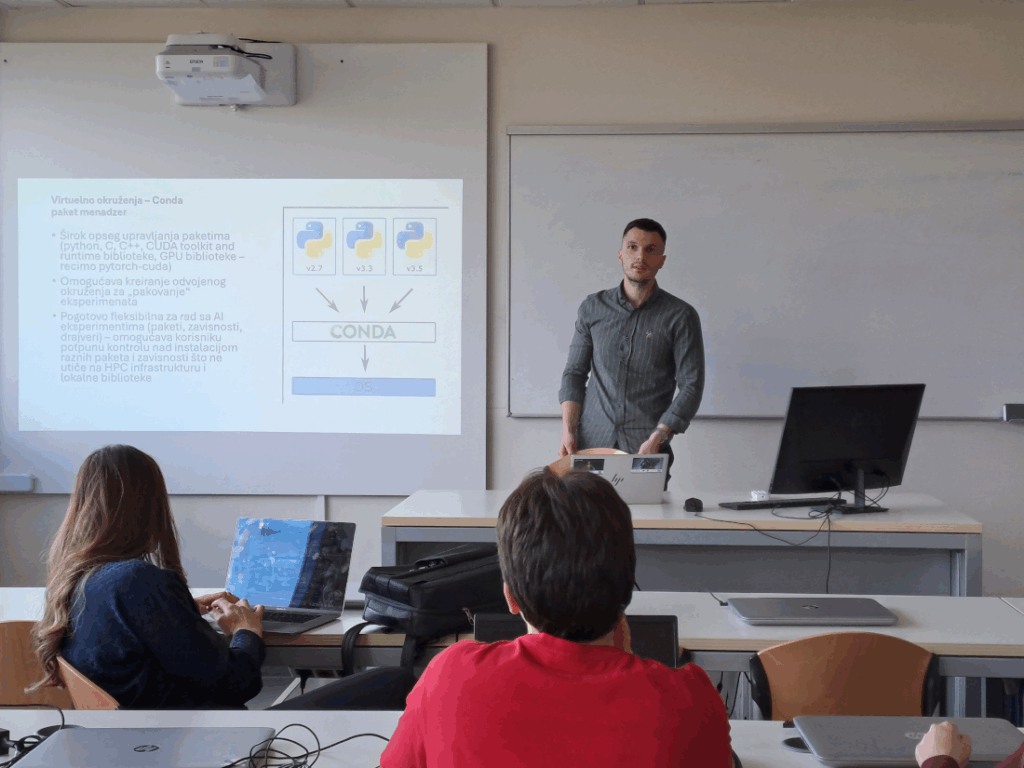
The short course started with a presentation from ms Enisa Trubljanin, where she discussed the use of AI and HPC in education. She was focused on developing prediction models for computer vision. Then, dr Luka Filipovic gave a presentation on SLURM with practical examples and demonstrations on UDG cluster. The course was wrapped up with presentation by mr Dejan Babic, who described Conda and demonstrated how it can be used for creation of virtual environments for different HPC experiments. Finally, Luka and Dejan discussed the Jupyter notbook setup on UDG cluster, its configuration and access.
mr Dejan Babic gave a presentation of Conda and its use on UDG cluster
With a focus on practical knowledge and real-world usage scenarios, the training aimed to support users in better utilizing HPC resources for data processing, simulations, and advanced research tasks.
The course gathered 13 attendees: students, academic researchers, and representatives from industry.