

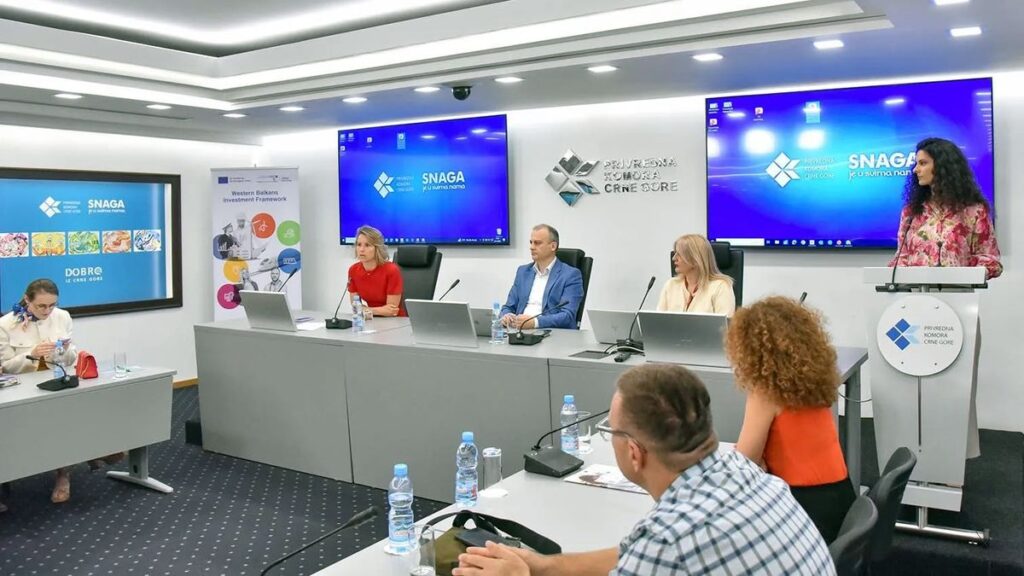
On 25 July 2026, representatives from NCC Montenegro attended the presentation of the Analysis of Montenegro’s ICT Sector Performance in 2025, organized by the Chamber of Economy of Montenegro and ICT Cortex. The event brought together leaders from business, public institutions, academia, and international organizations to review sector dynamics and future growth trends. NCC Montenegro participated as part of its ongoing efforts to monitor market developments, understand evolving IT needs, and identify opportunities and challenges in adopting advanced digital technologies.
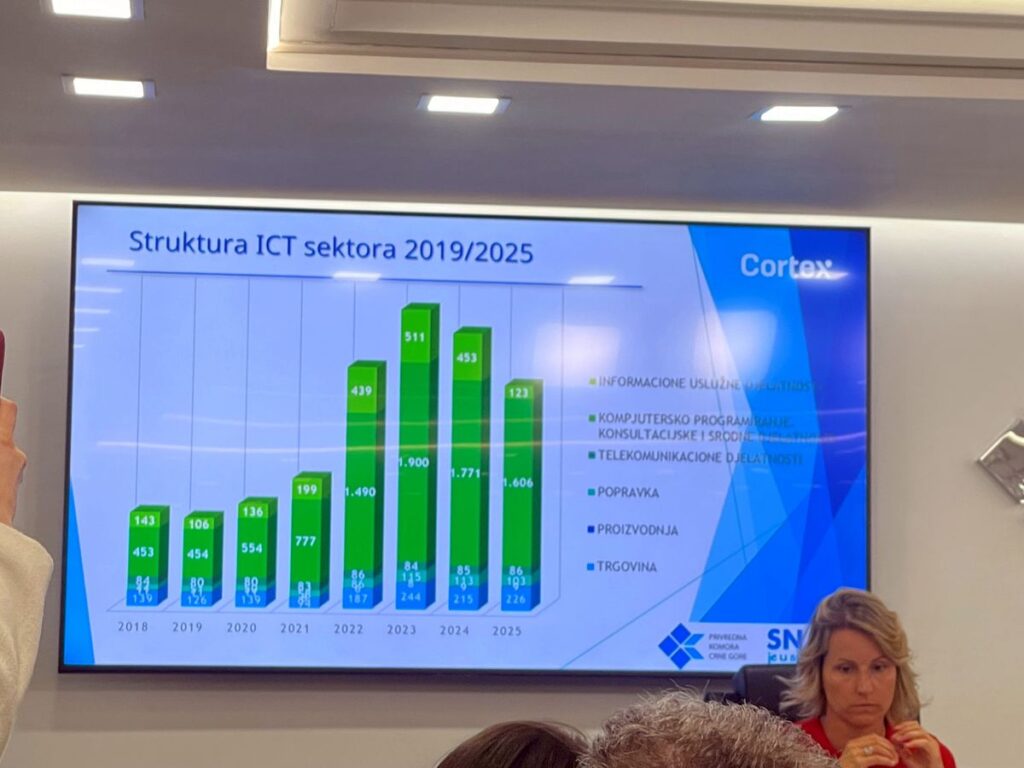
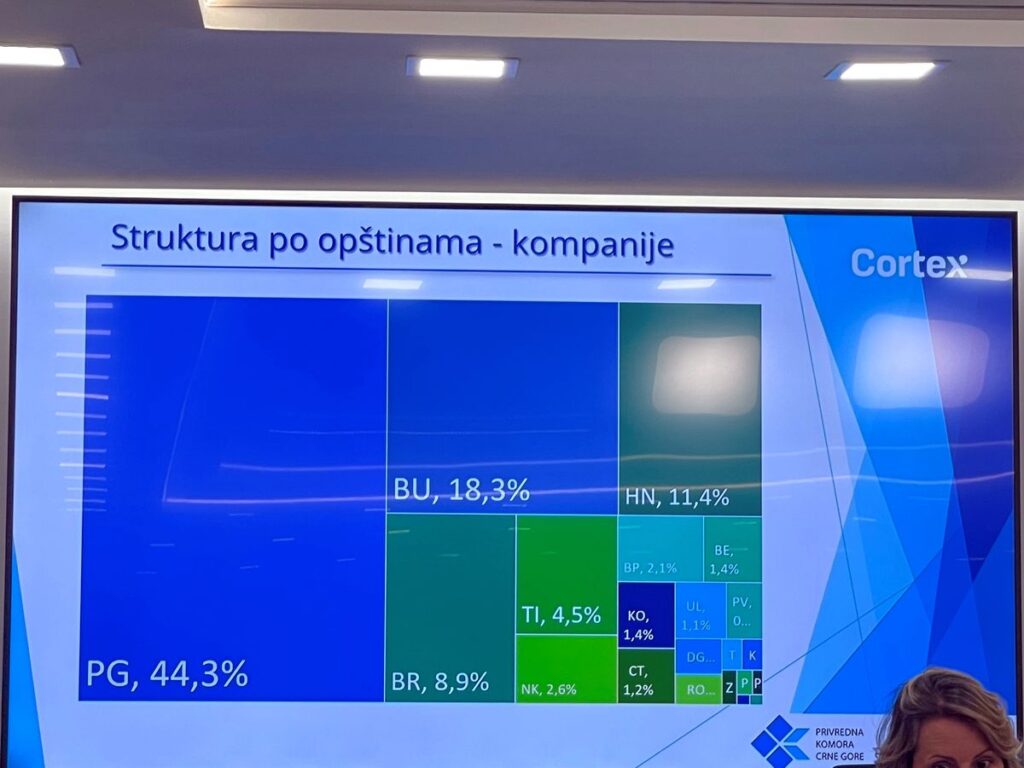
Based on company financial statements, Montenegro’s ICT sector demonstrated positive growth. While the reported number of companies fell by 19% (due to market consolidation and the exit of non-resident entities), overall sector employment grew by 14%, total revenue increased by 12%, and aggregate profit surged by 93% year-over-year. IT services account for over 80% of all ICT companies and employ around 70% of the sector’s workforce, while telecommunications—representing just 4% of ICT firms—generate over 50% of total sector revenue. Software development and programming form the core of the ICT sector, accounting for 75% of companies, 66% of employees, and over 53% of total wages. However, economic activity remains heavily concentrated in Podgorica and coastal municipalities, highlighting a clear opportunity for broader regional development.
The event also highlighted the priorities of Montenegro’s new Smart Specialisation Strategy for 2026–2031. ICT retains its horizontal role in enabling the digital transformation of other priority sectors while being recognized as a vertical driver of economic growth. Almost 40% of the resources planned for the first two years of the Strategy’s implementation will be directed toward the ICT sector and digital transformation initiatives. Furthermore, discussions focused on AI Strategy priorities, supporting mature IT firms, boosting software export potential, and helping junior professionals adapt to AI-driven labor market shifts.

Insights gathered from sector monitoring and stakeholder engagement allow NCC Montenegro to directly align its services with industry demand by identifying HPC/HPDA/AI-related business challenges, targeting companies capable of developing computationally intensive use cases, and streamlining industry access to EuroHPC infrastructure and AI resources. NCC Montenegro will continue collaborating with the Chamber of Economy of Montenegro, ICT Cortex, and the broader business community to advance national digital capabilities and connect local innovation with European supercomputing assets.