NCC Monetenegro will host the EuroCC4SEE Forum on HPC/AI-Enabled Business Innovation & PoC Demonstrations on 13–14 December, bringing together representatives from academia, industry, government, and the startup community. The two-day event will highlight how High-Performance Computing (HPC) and Artificial Intelligence (AI) can accelerate innovation, strengthen national capacities, and support Montenegro’s digital transformation.
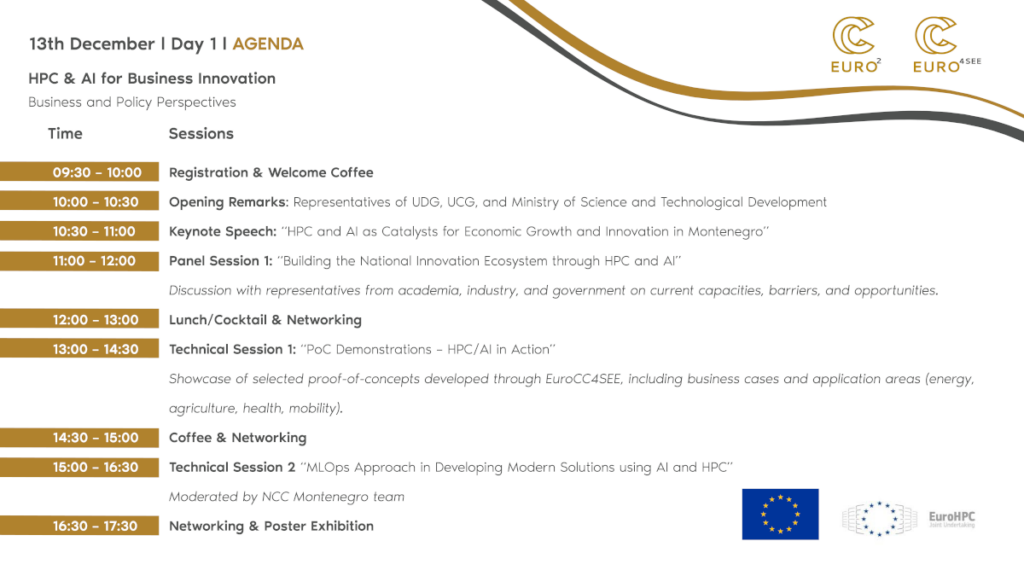
Day 1 will focus on business innovation and policy perspectives, featuring opening remarks from national institutions, a keynote on the role of HPC and AI in economic growth, and a high-level panel on building Montenegro’s innovation ecosystem. The program will also include technical sessions, with PoC demonstrations developed through EuroCC4SEE in sectors such as energy, agriculture, health, and mobility, followed by a session on MLOpsapproaches moderated by the NCC Montenegro team. A networking and poster exhibition will showcase student work and local startup projects.
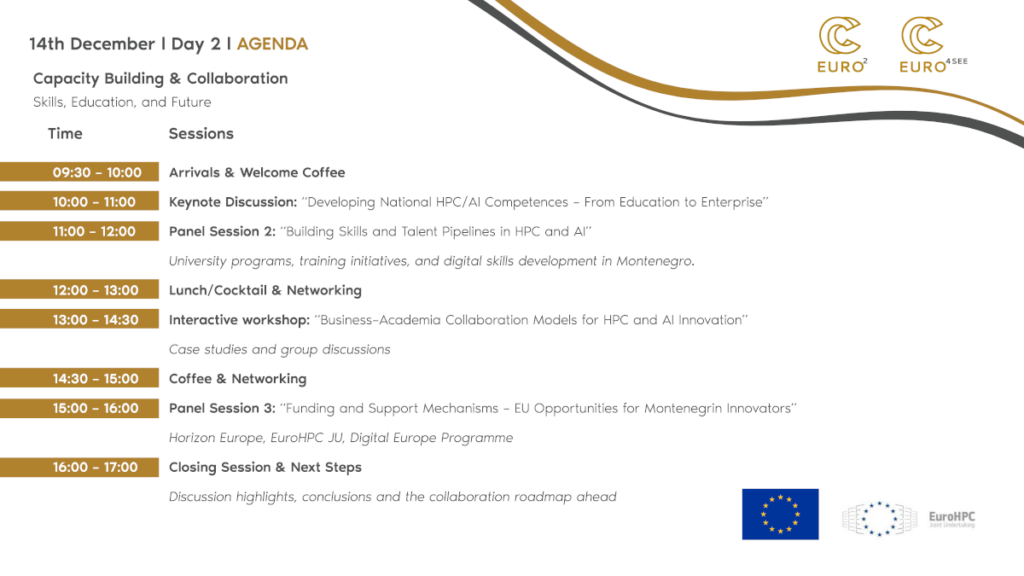
Day 2 will shift toward skills, education, and collaboration. Participants will explore national competence development in HPC/AI, talent pipeline building, and business–academia cooperation models through panels and an interactive workshop. The event will conclude with an overview of EU funding opportunities (Horizon Europe, EuroHPC JU, Digital Europe Programme) and a roadmap for further collaboration within the EuroCC4SEE network.
The forum aims to strengthen Montenegro’s position in the regional HPC/AI landscape and foster partnerships that empower innovation and research excellence.
The Second National AI Conference “AI DIREKTNO: Montenegro in the Time of AI Challenges” was held on 3 December 2025 at the Science and Technology Park of Montenegro, gathering leading representatives from government, academia, health institutions, industry, and the innovation ecosystem. The event was organized by the Association of Managers of Montenegro (AMM), the AMM Academy for Leadership, Management and Corporate Governance, and the Science and Technology Park of Montenegro.
NCC Montenegro took an active role throughout the conference, contributing to discussions on strengthening Montenegro’s AI ecosystem, responsible adoption of advanced technologies, and the importance of high-performance computing (HPC) for research, innovation, and industry. NCC-affiliated representatives participated in panel discussions focused on the practical impact of AI, digital transformation, and new opportunities emerging across sectors.
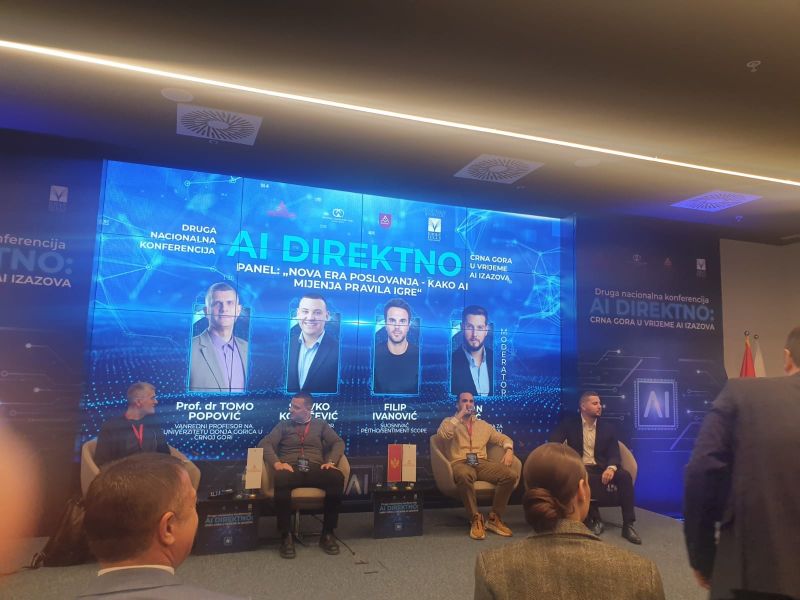
One of the key contributions came during the panel “A New Era of Business – How AI Is Changing the Rules of the Game”, where Prof. Dr. Tomo Popović (University of Donja Gorica & NCC Montenegro) highlighted real-world AI adoption, the growing need for scalable HPC resources, and the importance of building multidisciplinary teams capable of delivering trustworthy AI solutions. The discussion also featured insights from industry leaders, some of which are already using EuroHPC Ju access, on emerging business models and AI-driven innovation. Agenda avaliable at [link].
The panel included NCC team members and representatives from companies already using EuroHPC resources
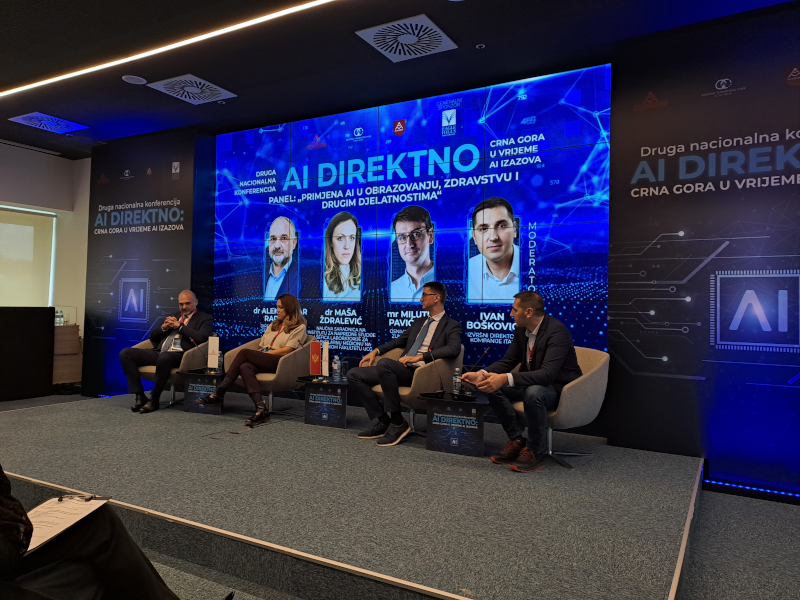
Another important contribution from the NCC community was made earlier in the day by Mr. Milutin Pavićević, assistant at UDG and founder of the startup Zuno, who participated in the panel “Application of AI in Education, Healthcare, and Other Sectors.” He emphasized practical challenges startups face in implementing AI-driven products, and the value of national digital infrastructure and research institutions in supporting early innovation.
The other panel focused on AI and Healthcare sector
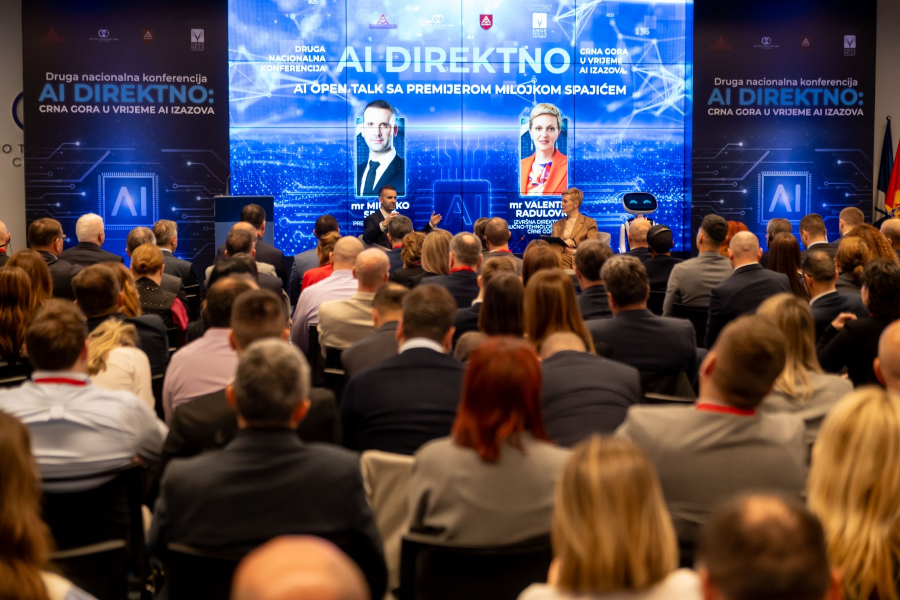
The conference also included an open talk with the Prime Minister, sector-specific panels on banking, healthcare, and education, and strategic reflections from Montenegro’s growing AI and tech community. NCC Montenegro’s participation reinforces its mission to support the adoption of AI and HPC technologies, strengthen skills development, and build an innovation ecosystem aligned with European standards and capabilities.
The conference also included an open talk with the Prime Minister
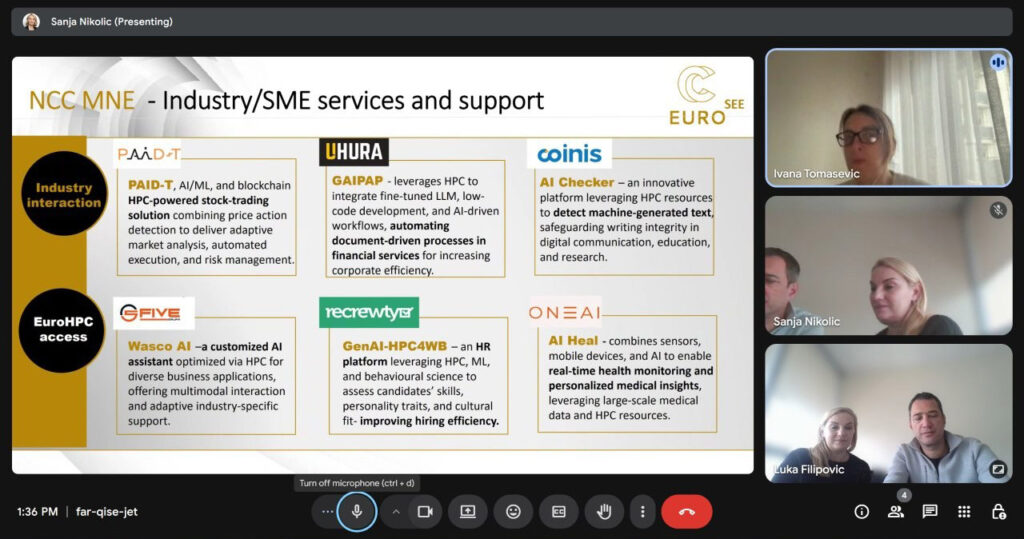
CyberCo, the company behind the GetMoved platform, has been awarded 35,000 GPU hours on the LUMI-G supercomputer through the EuroHPC AI Factory Fast Lane call. This allocation will support the continued development of GetMoved, an AI-powered system and movers marketplace that connects moving companies with end-clients. The application process was suported by NCC Montenegro team from the University of Montengro.
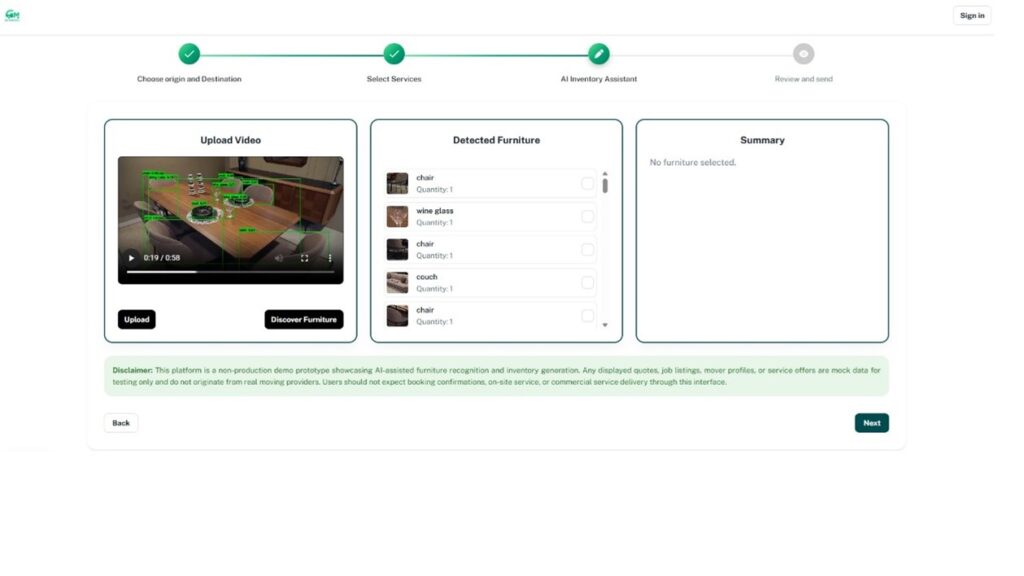
GetMoved uses advanced computer vision models to analyse short user-recorded videos and automatically detect and classify household items, generating a structured inventory that moving companies can use to prepare accurate quotes. In addition to AI-driven inventory creation, the platform enables customers to receive offers from licensed movers, facilitating a transparent and efficient relocation process.
With access to EuroHPC GPU resources, CyberCo will accelerate model training, improve large-scale video processing, and enhance the overall performance of GetMoved’s AI engine. LUMI-G’s computational capacity will allow the team to experiment with advanced techniques and achieve higher accuracy and scalability across diverse home environments.
The awarded resources will help CyberCo advance GetMoved toward production-grade readiness and demonstrate how high-performance computing can drive practical, civilian AI applications in modern logistics.
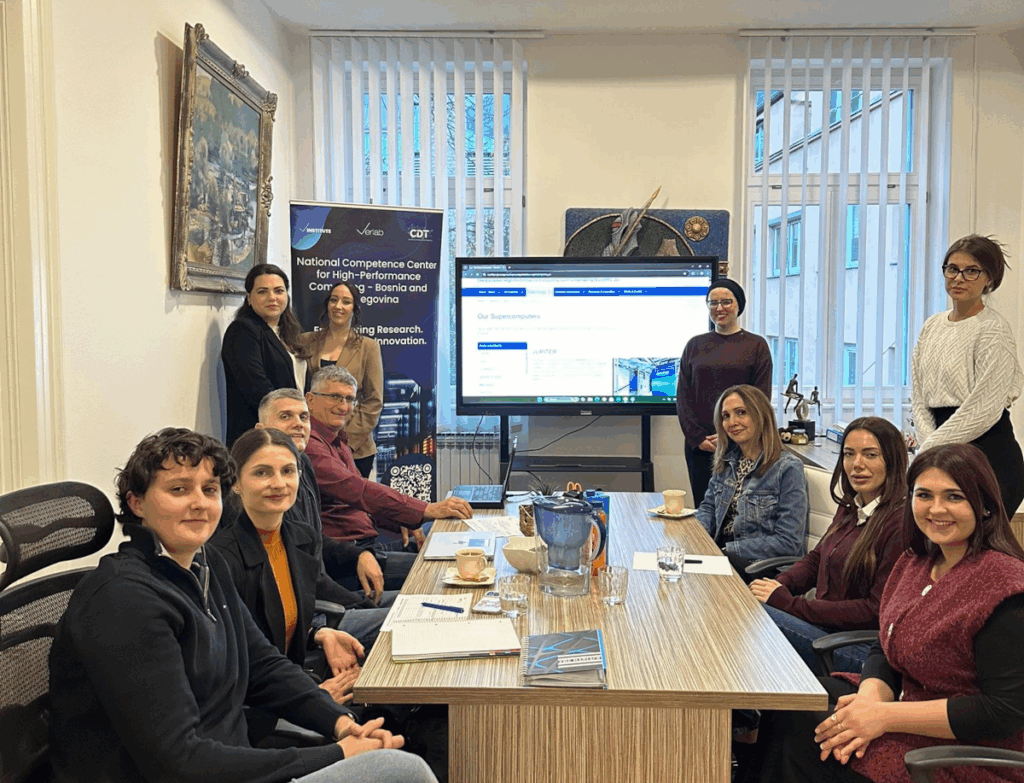
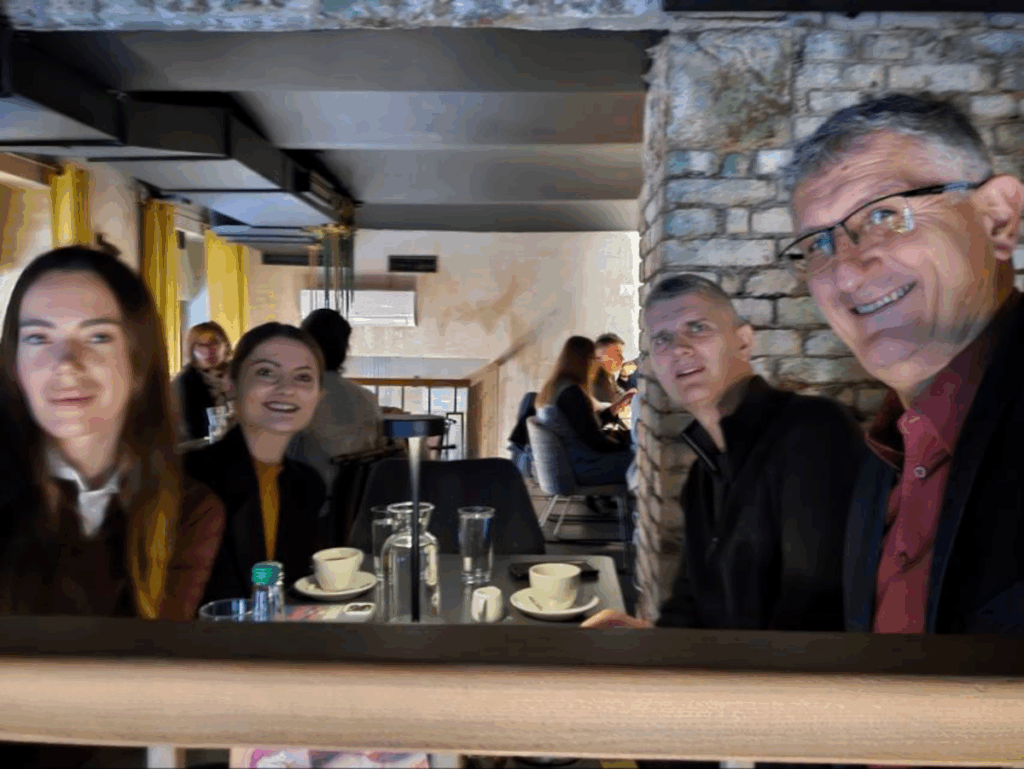
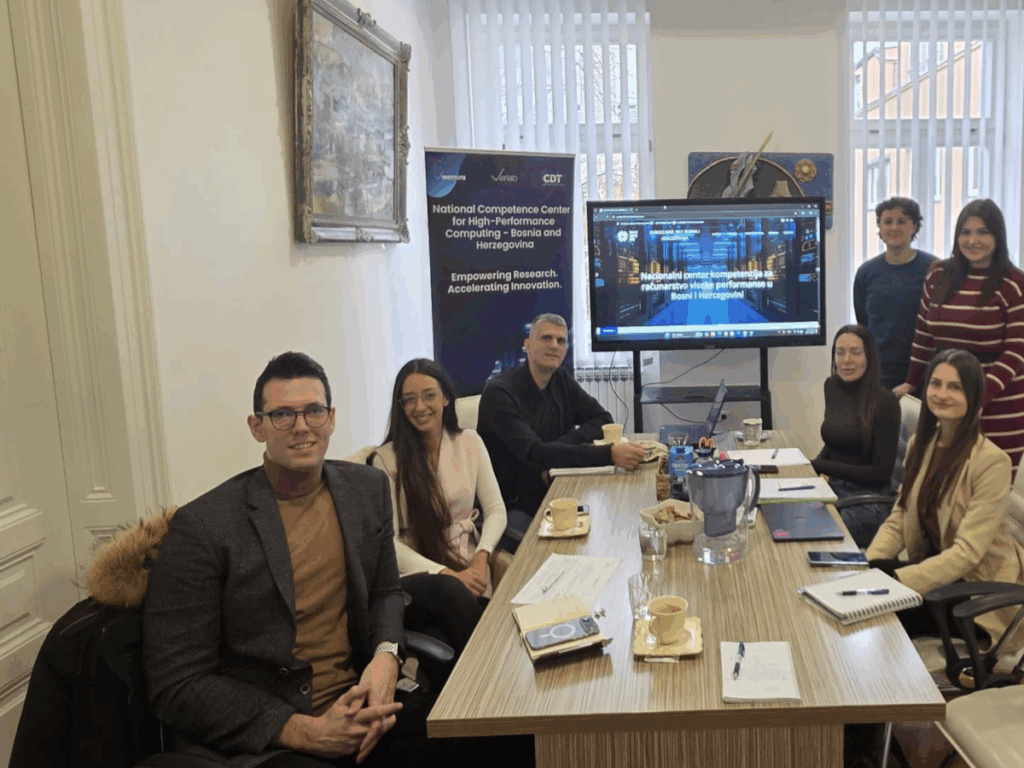
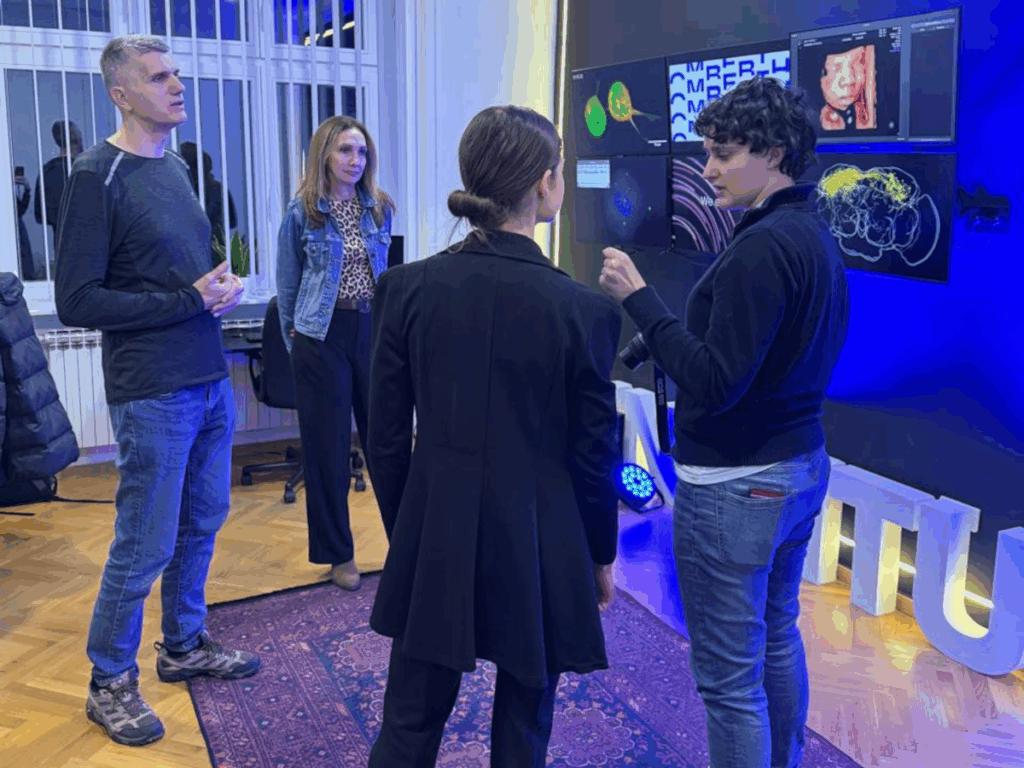
At the end of November 2025, representatives of NCC Montenegro visited the Verlab Institute and NCC Bosnia and Herzegovina in Sarajevo for a two-day working meeting held within the EuroCC4SEE framework. The visit focused on strengthening regional cooperation, supporting twinning and mentoring activities, and expanding joint engagement with academia and industry. The meetings brought together both NCC teams as well as IT industry stakeholders, underscoring the growing importance of SMEs in HPC and AI adoption across the Western Balkans.
Day 1: Coordination, Planning, and Strategic Alignment
The first day centred on aligning the two NCCs on upcoming activities and mapping joint priorities for the next three months. The discussions focused on student engagement, training coordination, and preparation of several regional events.
Continuation of NCC collaboration between NCC Montenegro and NCC Bosnia and Herzegovina
Key outcomes included:
NCC BiH participation in the NCC Montenegro Conference (13 December 2025), showcasing HPC/AI proof-of-concepts and project activities.
Joint planning of workshops and PoC support for companies, combining experiences from Montenegro and Bosnia and Herzegovina, and building on ongoing collaborations with NCC Poland and NCC Latvia.
Agreement to co-organise major events in early 2026, including the AI in Medicine event in Montenegro and the Žabljak IT Conference.
Coordination on joint scientific publications, using existing datasets and aligning research topics across the two centres.
These discussions reaffirmed the value of EuroCC4SEE’s twinning and mentoring model, enabling both NCCs to share practices, strengthen their training pipelines, and streamline outreach to researchers and SMEs.
Both UDG and UCG representatives participated in the meetings with NCC BiH team
Day 2: Knowledge Exchange, SME Engagement, and Practical Collaboration
The second day focused on operational collaboration, with a workshop dedicated to industry outreach and experience exchange related to HPC and AI services. NCC Montenegro shared its methodology for working with companies, including how to communicate EuroHPC JU opportunities and guide SMEs through resource applications.
Day 2 included exchange of experiences, SME engagement, EuroHPC access to resources
A local IT company that already uses NCC BiH resources joined the discussion. Their participation added a practical industry perspective and resulted in commitments to:
take part in the AI in Medicine event in Montenegro,
join the Žabljak IT Conference,
explore deeper involvement in EuroHPC-supported pilot activities.
The workshop also enabled both NCCs to discuss effective utilisation of local HPC clusters, exchange good practices on scaling AI workloads, and review success factors for EuroHPC JU applications based on real user cases.
We discusssed joint PoC activities in medical and healthcare domains
Finally, the partners agreed to jointly explore Horizon Europe funding opportunities related to HPC scalability, applied AI, and capacity building—further extending the collaboration beyond EuroCC4SEE.
A Visit That Strengthened Regional Ties
The meetings in Sarajevo were assessed as highly productive, resulting in clear commitments, strengthened operational cooperation, and a shared plan for the months ahead. By combining training coordination, SME engagement, research collaboration, and strategic event planning, NCC Montenegro and NCC Bosnia and Herzegovina continue to build a more connected and capable regional HPC and AI ecosystem—fully aligned with the mission of EuroCC4SEE.
At the CheckIn Conference, held in Bar, Montenegro on November 28th 2025, the activities, and results of the EUROCC / NCC Montenegro project were presented. The CheckIn conference brought together experts from the digital economy, technology and creative industries, with a mission to drive long-term impact on the environment – from artificial intelligence and fintech to art, wellness and innovation.
The aim of this conference is to initiate a conversation on how smaller cities can become centers of innovation and how local potentials can be utilized in a modern, sustainable, and competitive manner. The large number of expert participants and visitors not only confirms that Bar is recognized as a city that brings together the scientific and professional community, but also as an environment that actively considers and adopts the latest practices and knowledge of the future.
The Check In 2025 conference is designed and took place on two stages, featuring a total of eight panels covering the fields of information technology, investments and innovation, tourism, education and training, startup ecosystems, banking, the entertainment industry, and the FMCG sector.
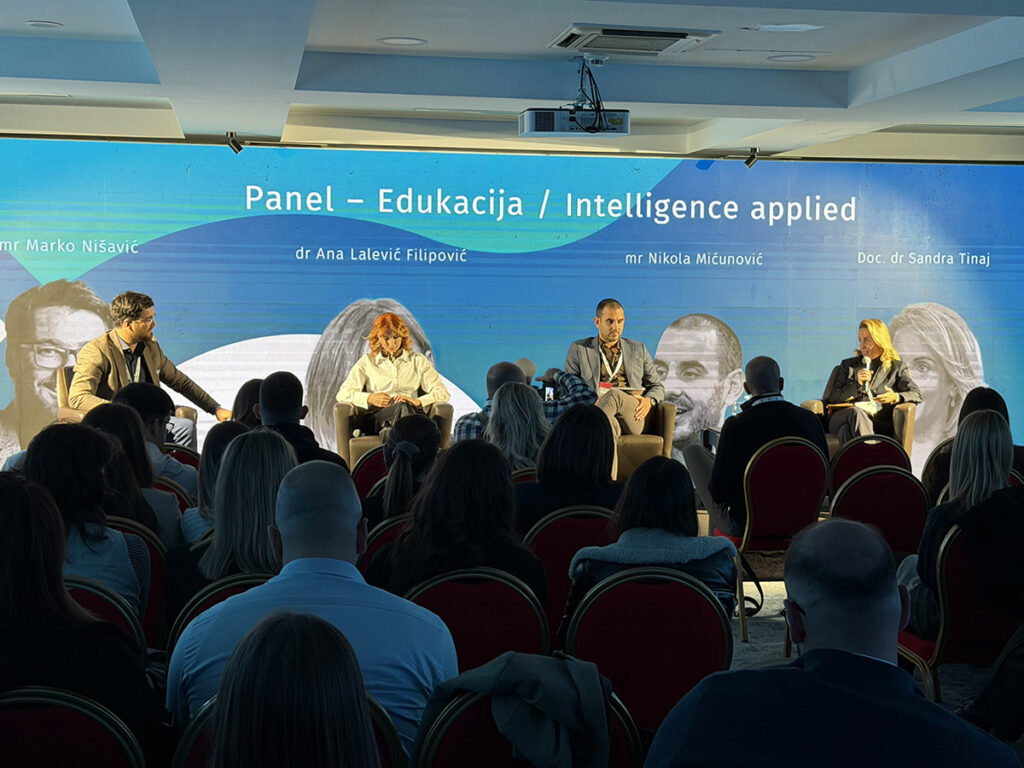
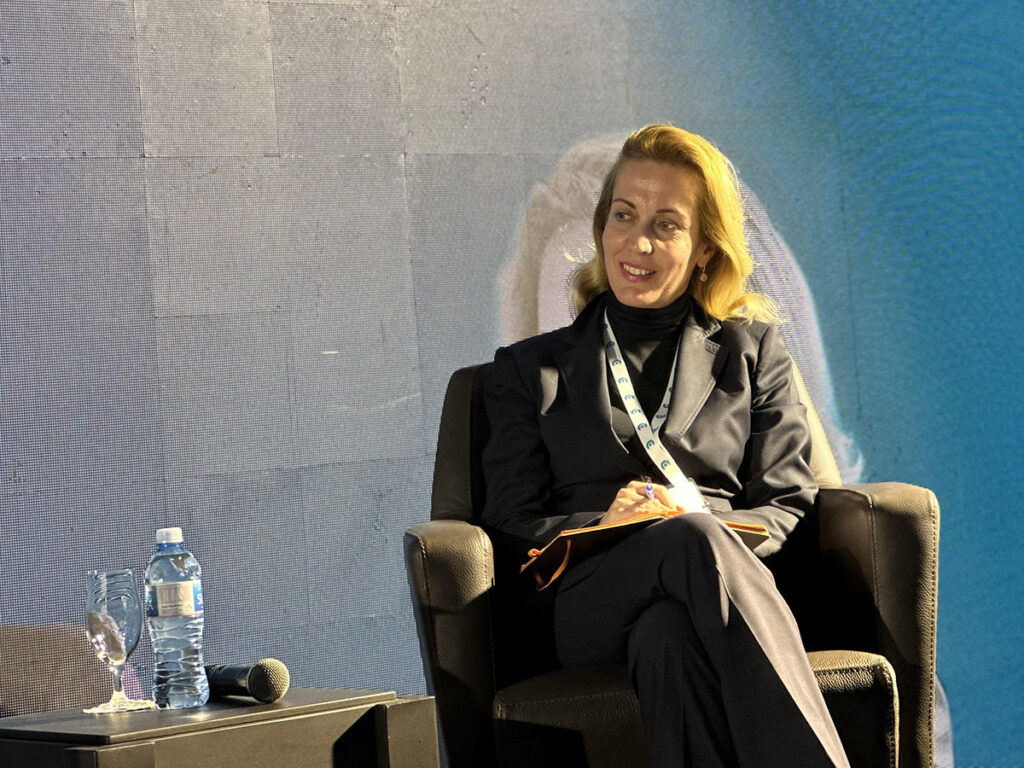
During the panel “Intelligence applied”, the EUROCC / NCC Montenegro project was introduced by NCC Member, Ms. Sandra Tinaj as an initiative that actively supports digital transformation and the development of innovation and education capacities in Montenegro through a network of services and expertise in High-Performance Computing (HPC), Artificial Intelligence (AI), and Data Analytics.
The panel opened an important discussion on Montenegro’s current position on the path of digital development and the key steps in education needed to build a modern, connected, and technologically advanced society. Special emphasis was placed on the role of NCC Montenegro in strengthening cooperation between between the academic sector and the economy, tourism, and the investment environment as a foundation for sustainable economic growth.
Furthermore, within the EXPO zone of the conference, the Municipality of Bar has also ensured the presentation of businesses supported by the local government through programs aimed at promoting entrepreneurship and women’s entrepreneurship. This is intended for additional promotion, networking, and sharing experiences with other participants and connecting with NCC Montenegro.
The participation of NCC Montenegro at the conference reaffirmed its strategic role in connecting research, education, and industry, and in fostering digital and innovation competitiveness in Montenegro
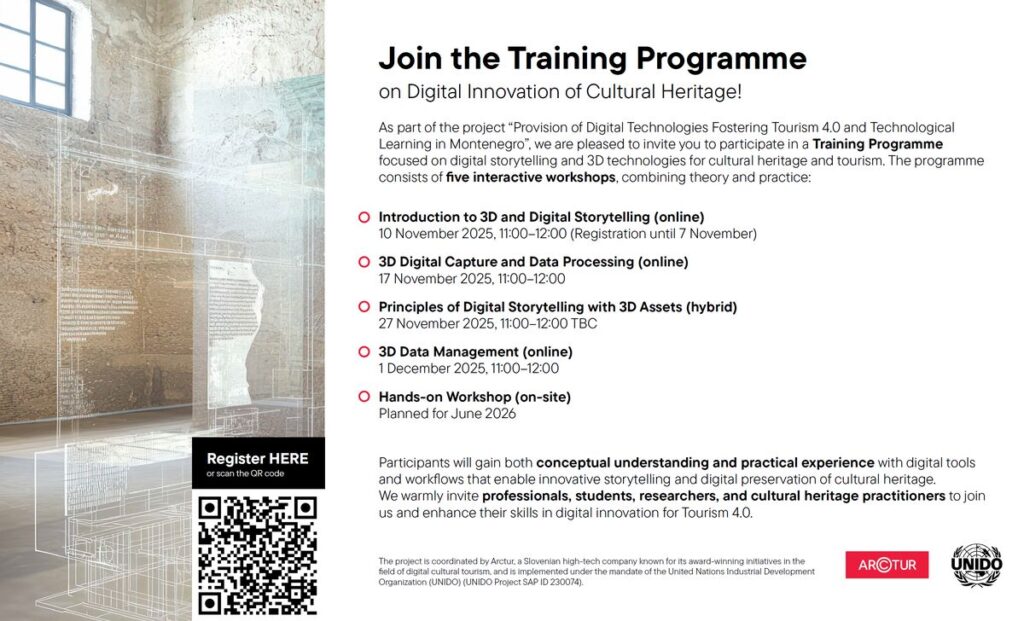
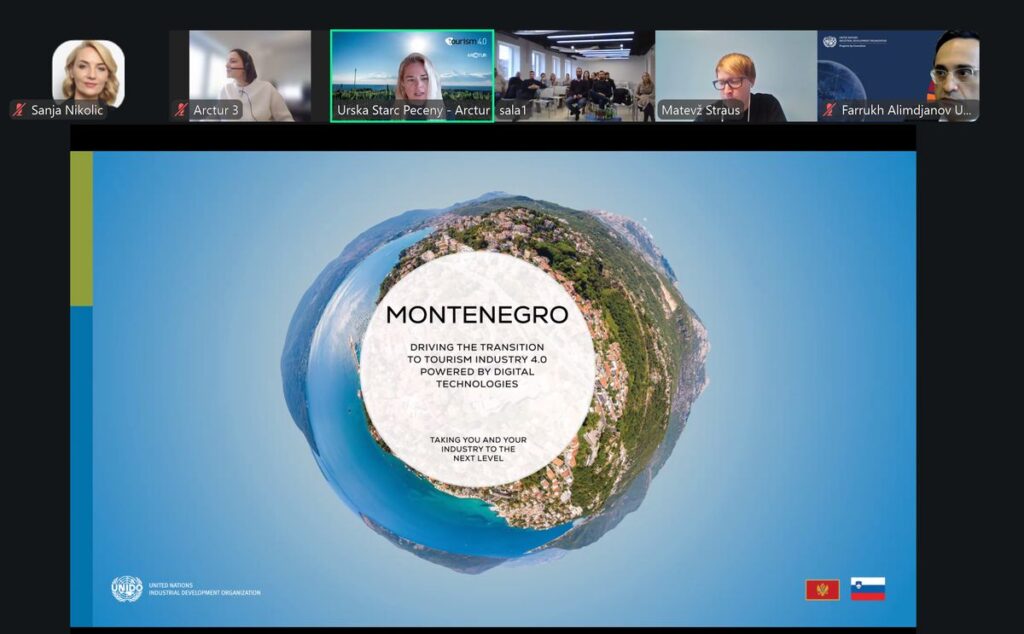
The Training Programme on Digital Innovation of Cultural Heritage, launched by Arctur (NCC Slovenia), aims to bring advanced digital heritage and Tourism 4.0 capabilities to Montenegro. Under this initiative (part of a project coordinated by UNIDO and the Montenegrin Ministry of Tourism), NCC Montenegro joined as a participant, seeking to build capacity in digital storytelling, 3D technologies, and modern approaches to cultural heritage digitisation and preservation.
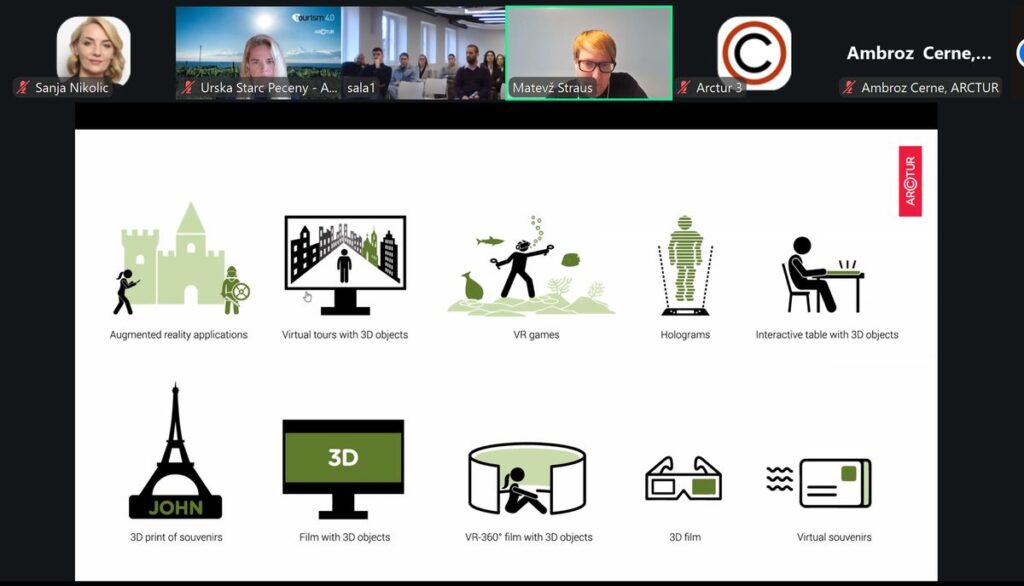
The training aligns with the broader mission of Tourism 4.0: leveraging Industry 4.0 technologies (e.g., 3D modelling, photogrammetry, AR/VR, digital storytelling) to create enriched tourist experiences, boost competitiveness, and support sustainable cultural-heritage-based tourism.
Through participation, NCC Montenegro and other attendees have gained both conceptual and practical knowledge of digital tools, workflows, and methodologies—from 3D capture to storytelling and asset management—enabling them to support digital heritage preservation, immersive storytelling, and innovative tourism products. For NCC Montenegro, this engagement offers an opportunity to strengthen its role in regional Tourism 4.0 initiatives, cultural heritage digitisation, and digital innovation services, which complements its existing HPC/AI and digital acceleration expertise.
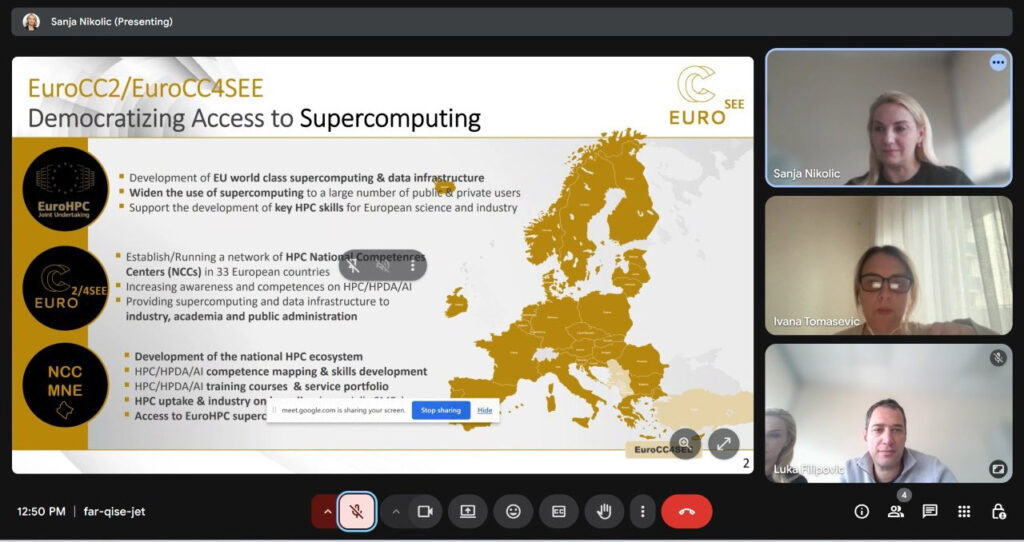
The National Competence Centre for HPC and AI held an initial meeting with the Director of the Business Center Bar, Ivana Tomašević to explore opportunities for supporting local digital entrepreneurship, in line with the growing importance of advanced data analytics and HPC/AI services for competitiveness, innovation, and sustainable business growth.
Business Center Bar is a key regional institution fostering entrepreneurship, innovation, and the growth of start-ups and SMEs by providing business incubator facilities, advisory and mentoring services, training and education, as well as facilitating access to institutional support and financial capital, coordinating local development initiatives, and supporting project development with national and international partners.
NCC Montenegro presented its portfolio of services, including tailored training programs, industry workshops, technical expertise, and access to supercomputing resources through the EuroCC2/EuroCC4SEE project. The discussion also highlighted HPC and AI success stories of Montenegrin companies, alongside inspirational use cases such as AI-powered tourism prediction models, data analytics for smart destinations, data-driven optimisation in agriculture, and asset-light simulations for SME products.
Both sides discussed local industry needs—including tourism, agriculture, maritime logistics, and creative industries—and opportunities for collaboration. They agreed to pursue joint activities such as sector-focused industry workshops, training support for SMEs, and project cooperation aimed at strengthening regional innovation capacities and R&D initiatives.