EuroCC4SEE and EUROCC2 activities at the 30th Information Technology Conference – IT Žabljak 2026

As part of the 30th anniversary of the International Conference on Information Technology – IT 2026, held in Žabljak, a three-day programme of activities dedicated to the application of high-performance computing (HPC) and artificial intelligence (AI) in science, industry, and digital transformation was organized. The event brought together researchers, representatives of National Competence Centres, IT companies, and international partners with the aim of exchanging knowledge, presenting project results, and strengthening collaboration between academia and industry.

EuroCC2 and EuroCC4SEE at the 30th anniversary edition og the IEEE Information Technology Conference – IT Zabljak 2026

During all three days of the conference, morning sessions were dedicated to presentations of scientific papers, where researchers presented the results of their work in the fields of artificial intelligence, high-performance computing, data science, and digital technologies. These sessions enabled discussions on current scientific trends and the exchange of ideas between authors and conference participants.

Day one – scientific sessions, workshop, and project presentations

The programme of the first day began with a morning block of four parallel sessions, two held in conference halls and two organized in a virtual format. Within these sessions, scientific papers covering contemporary topics in AI, HPC, data analytics, digital transformation, and software engineering were presented, followed by active discussions between authors and participants.
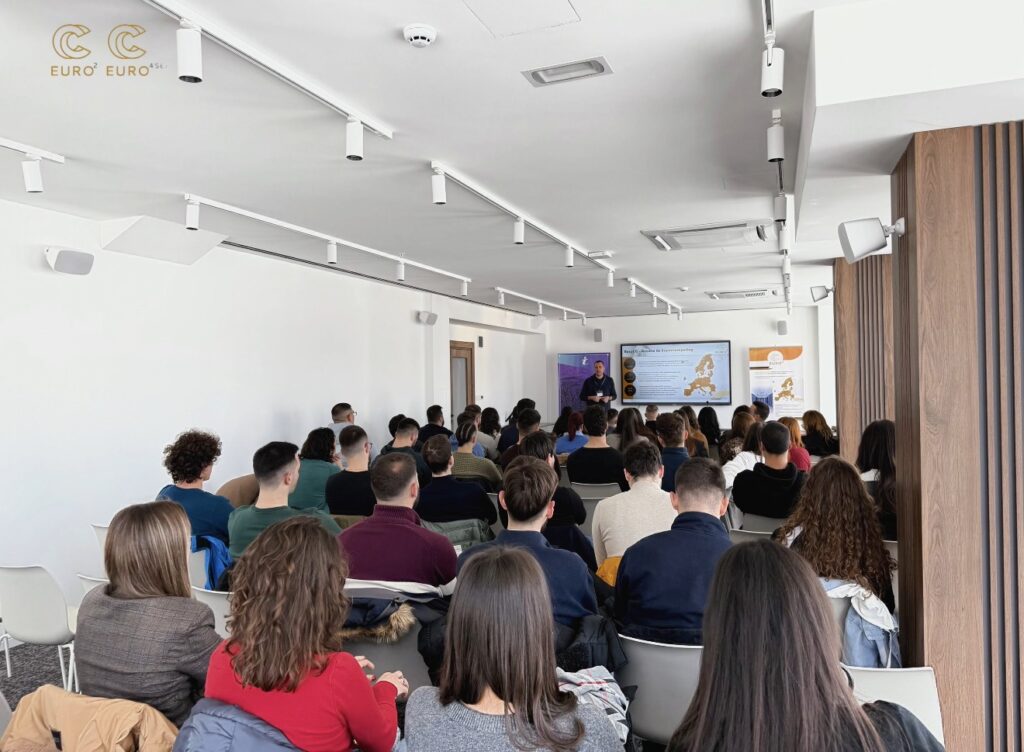
Introduction to NCC Montenegro activities and preparation for the workshop

Later in the day, the workshop “Application of HPC and AI to Enhance the Tourism Offer” was held, focusing on the development of proof-of-concept solutions and the practical application of supercomputing and artificial intelligence to enhance the tourism offer.

Particular emphasis was placed on solutions integrating HPC infrastructure, demonstrating how advanced computing resources can support data analysis, personalization of tourism services, and optimization of tourism processes.
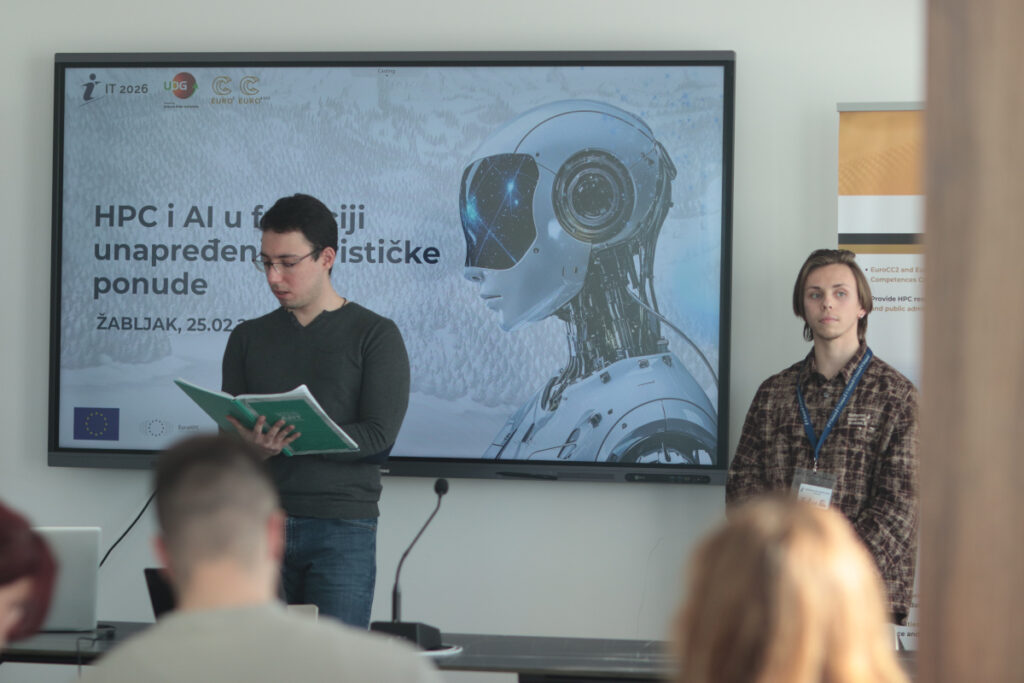
Wotkshop on HPC and AI applications aimed at tourism sector

Outside the scientific sessions, Wednesday was also marked by the event “Project trade fair & dissemination of results”, where projects and innovative solutions in the fields of AI and HPC were presented. Solutions such as GetMoved, PAID-T, Wasco AI, Generative AI Intelligent Process Automation Platform, DeepMark, and AI Heal were showcased, further strengthening the connection between the research and business communities and enabling the exchange of experiences between researchers and companies.

Day two – panel on the application of HPC technologies in science and industry

On the second day of the conference, the panel “Application of HPC in Science and Industry – Real Examples and Success Stories” was held and moderated by Sandra Tinaj (NCC Montenegro). The panel was organized in two parts.

The first part focused on a discussion about the institutional framework and the strategic development of the AI and HPC ecosystem in Montenegro. The discussion involved Đorđe Krivokapić and Sandra Tinaj.
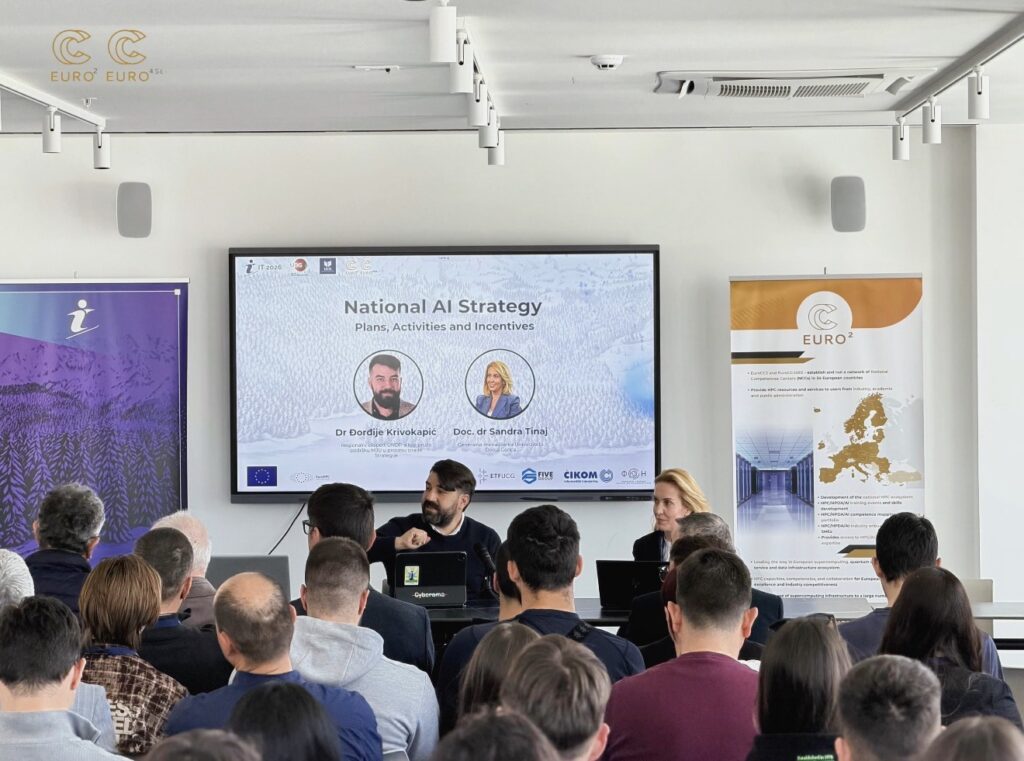
Discussing strategic development of the AI and HPC ecosystem in Montentegro

Đorđe Krivokapić presented the key elements of the National Strategy for Artificial Intelligence, including planned activities, infrastructure development, and support mechanisms for research and innovation. Special emphasis was placed on strengthening the institutional framework that enables the integration of HPC and AI technologies into various sectors of society, as well as creating an environment that fosters cooperation between government institutions, academia, and industry.

Sandra Tinaj presented the activities of the National Competence Centre for HPC in Montenegro (NCC Montenegro) within the EuroCC and EuroCC4SEE projects, including the organization of training activities, support for researchers and companies, and assistance in accessing European supercomputing resources through the EuroHPC initiative.
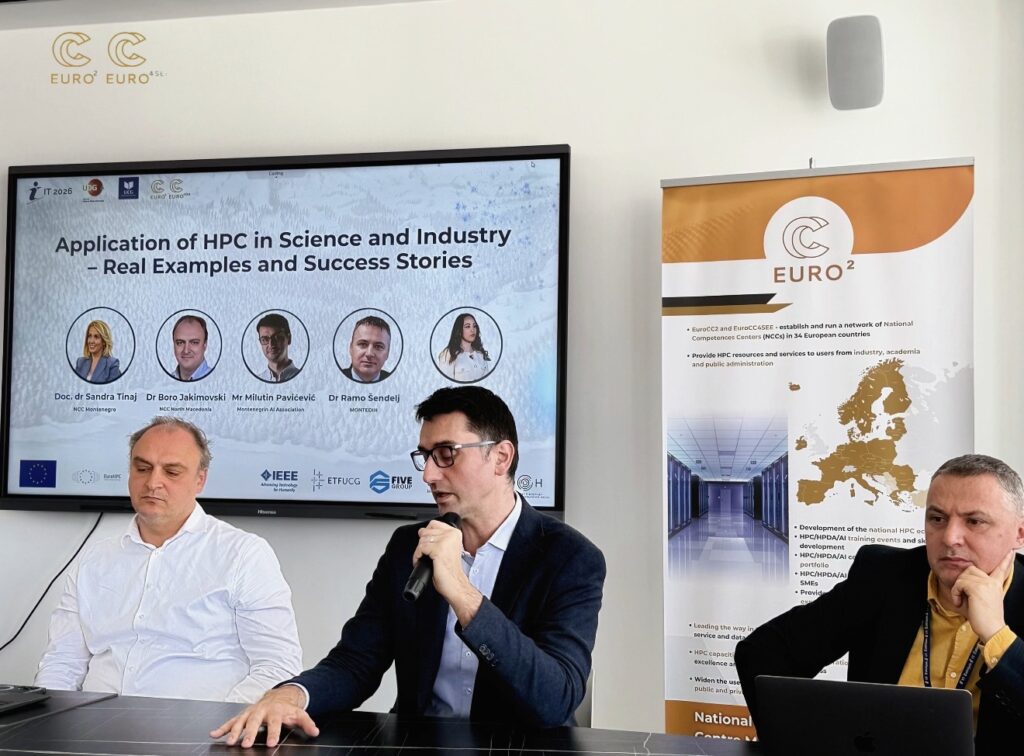
HPC applications through the work of NCCs and industry in SEE

The second part of the panel focused on presenting concrete examples of HPC applications through the work of National Competence Centres and industry.

Ana Lalović (Verlab) presented the activities of NCC Bosnia and Herzegovina, focusing on the use of HPC technologies in medical and biomedical research, including the analysis of medical data and the development of advanced diagnostic models.
Božo Jakimovski presented the activities of NCC North Macedonia, with a particular focus on industrial applications of HPC technologies and cooperation with companies developing solutions based on AI and advanced analytics.

Sandra Tinaj presented the activities of NCC Montenegro through Proof of Concept projects, which enable companies and researchers to test and develop innovative solutions using HPC infrastructure and expert support.

Milutin Pavićević (Montenegrin AI Association) discussed the perspective of industry and the importance of cooperation between academia and companies. He particularly emphasized the competencies needed by young IT engineers in the context of HPC technologies, including knowledge of parallel programming, large-scale data processing, and the development of scalable AI solutions.
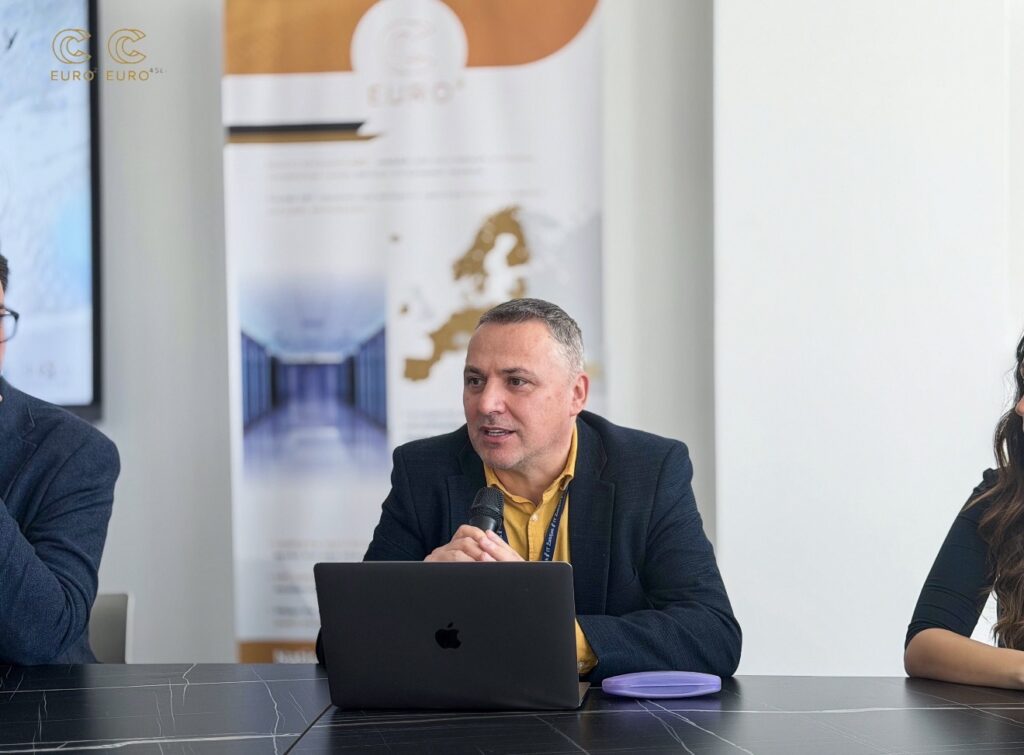
prof Ramo Sendelj from MontEDIH at the panel

Ramo Šendelj (MONTEDIH) also participated in the panel, speaking about the importance of cooperation between the MONTEDIH and EuroCC4SEE projects in supporting the digital transformation of companies and developing an innovation ecosystem based on HPC and AI technologies.

In addition, B2B meetings were held between NCCs, as well as between NCCs, companies, and researchers.

Day three – EuroCC4SEE session and experiences of National Competence Centres

On the third day of the conference, the session “EuroCC4SEE – What Have We Learned and Where Do We Go Next?” was held, dedicated to the results and experiences of National Competence Centres in the field of HPC.

The session was opened by Tomo Popović from NCC Montenegro, who presented the activities implemented within the EuroCC and EuroCC4SEE projects, including training activities, cooperation with companies, and support for accessing European supercomputers. NCC Montenegro has organized more than 30 training events attended by around 500 participants, collaborated with more than 15 companies, and provided support for more than 10 applications to the EuroHPC initiative, including practical work on European supercomputing clusters.

During the session, the activities of National Competence Centres from the region were also presented.
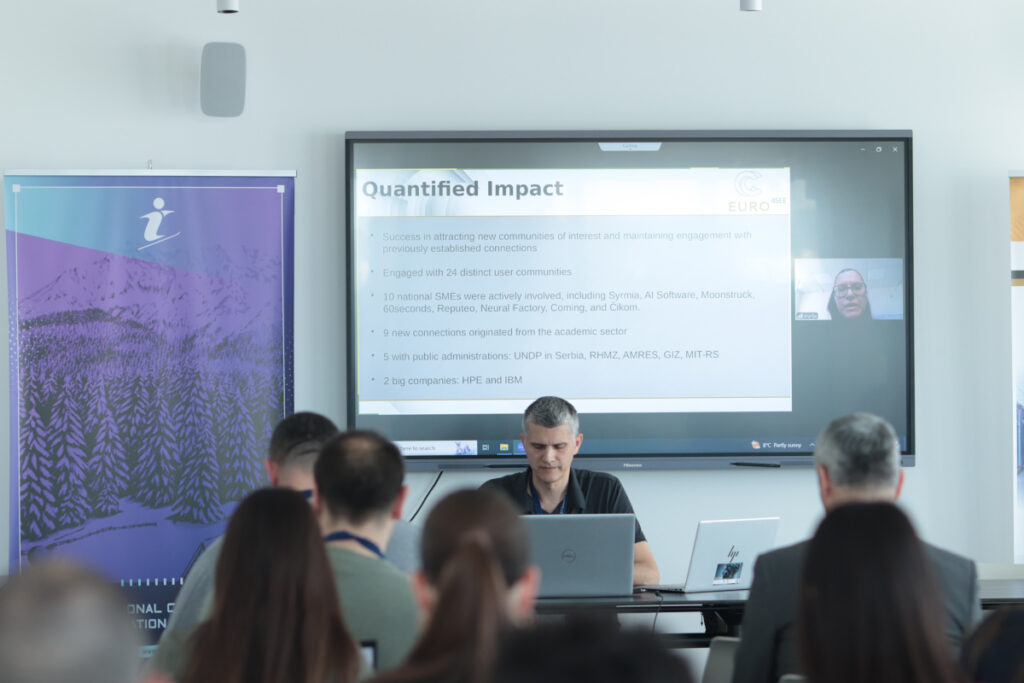
Session dedicated to EuroCC4SEE Lessons Learned with participation of industry representatives

Marija Mitrović Dankulov presented the activities of NCC Serbia, including the development of HPC infrastructure such as the Paradox cluster, the AI cluster, and the national data center in Kragujevac, which will support the EuroCC3 and AI Factory satellite projects. She also presented the results of the NCC’s work, successful HPC use cases, and experiences in cooperation with academia and industry.

Ozlem Sari from NCC Turkey presented the results achieved over the past three years, including numerous training activities, info days, proof-of-concept projects, and success stories developed in cooperation with academia and industry, as well as the HPC infrastructure and regional initiatives that contributed to spreading knowledge about HPC technologies.

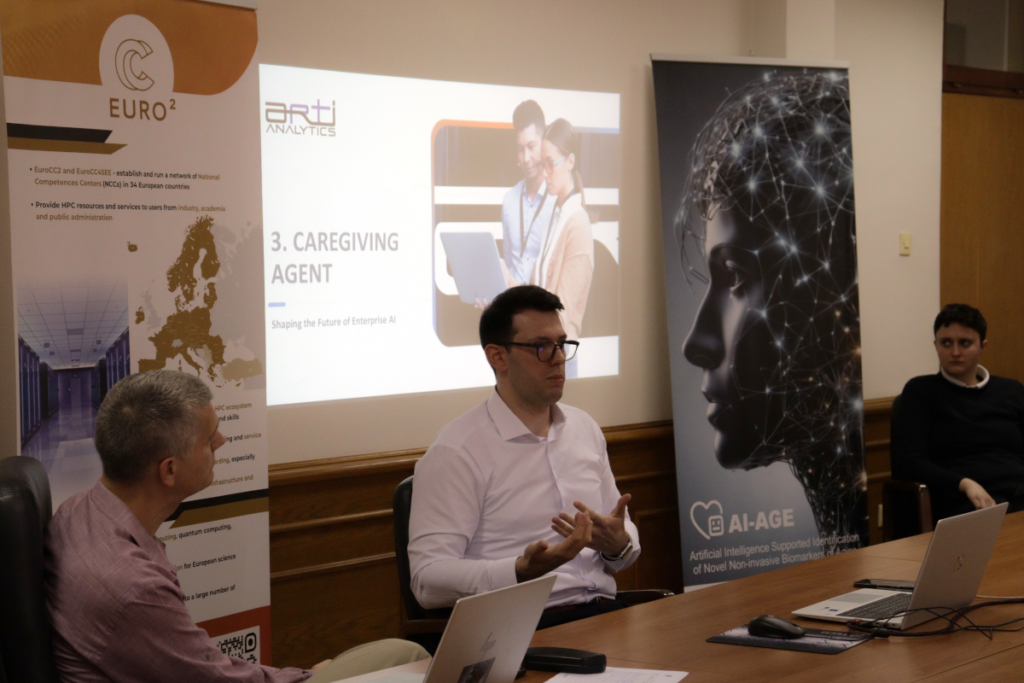
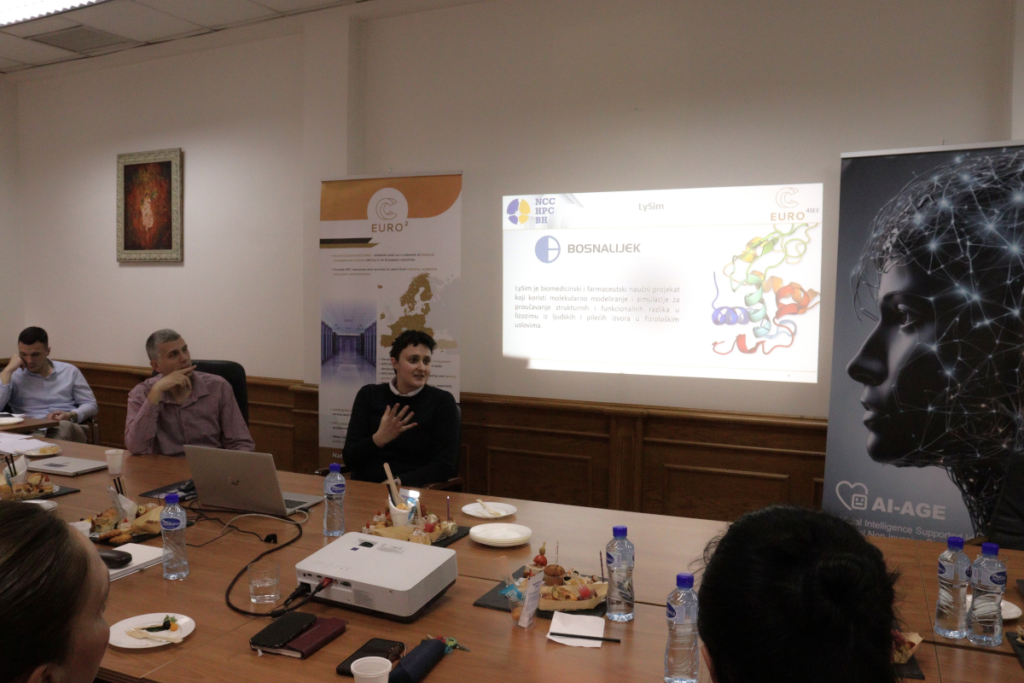
Sarah Spahić presented the activities of NCC Bosnia and Herzegovina and the Verlab Institute, including training and workshops for academia and the public sector, consultations and support for research projects, and cooperation with companies such as Arti Analytics, Plastoflex, and Bosnalijek.

Gjorgji Madjarov presented the activities of NCC North Macedonia and an overview of activities implemented through the EuroCC and EuroCC4SEE projects, with a particular focus on cooperation with IT companies and organizations with domain expertise relevant for the development of AI and HPC solutions.

Several representatives presented their solutions and experiences with HPC and NCC support

In the second part of the session, projects of Montenegrin companies using HPC and AI technologies were presented. Companies showcased innovative solutions such as the AI doctor developed by OneAI, the Wasco AI assistant by Five G, the DeepMark platform for audio watermarking, as well as solutions from ITAS, Trid Tech, Uhura, and Paid MNE that use HPC infrastructure for simulations, AI model development, and optimization of complex processes.

At the end of the session, Ramo Šendelj emphasized the importance of cooperation between the EuroCC and MONTEDIH projects, highlighting opportunities for joint activities and support for Montenegrin companies in various areas of digital transformation.

Strengthening the HPC ecosystem through collaboration between science and industry

The three-day programme within the IT Žabljak 2026 conference highlighted the importance of collaboration between the research community, industry, and European initiatives in the development of HPC and AI technologies. Through scientific sessions, workshops, panel discussions, and project presentations, participants had the opportunity to exchange experiences, present innovative solutions, and identify new opportunities for cooperation.
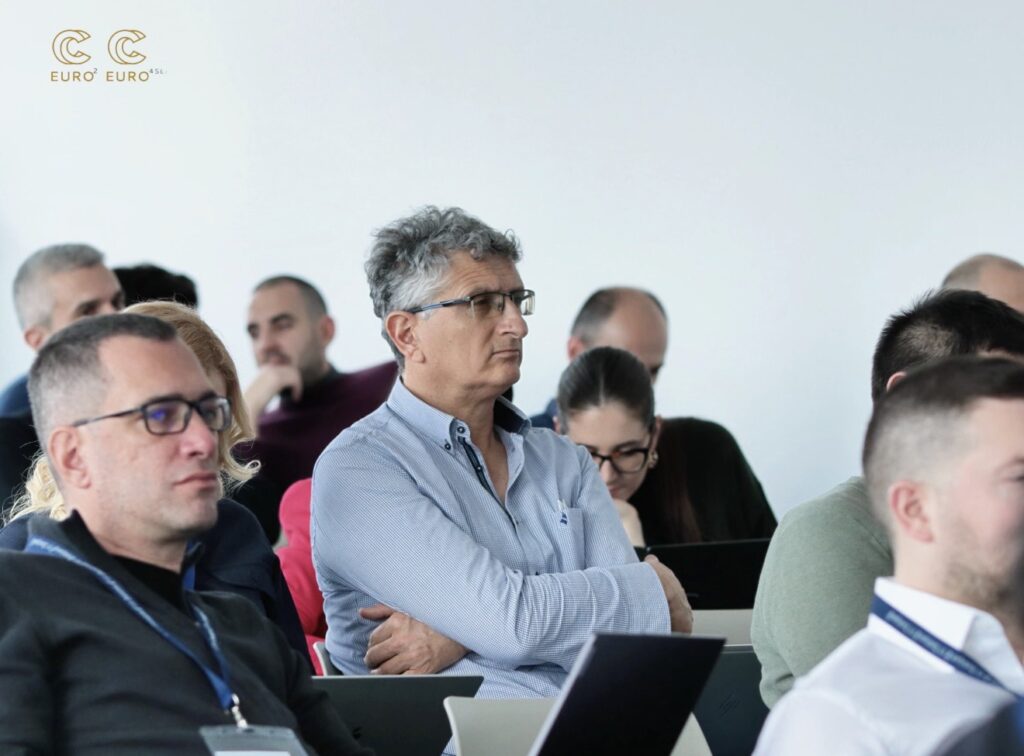
There was over 20 representatives from comapnies that utilized EuroHPC HPC access

Activities implemented within the EuroCC4SEE project have further contributed to strengthening the regional HPC ecosystem and promoting the application of supercomputing and artificial intelligence in science, industry, and the public sector.
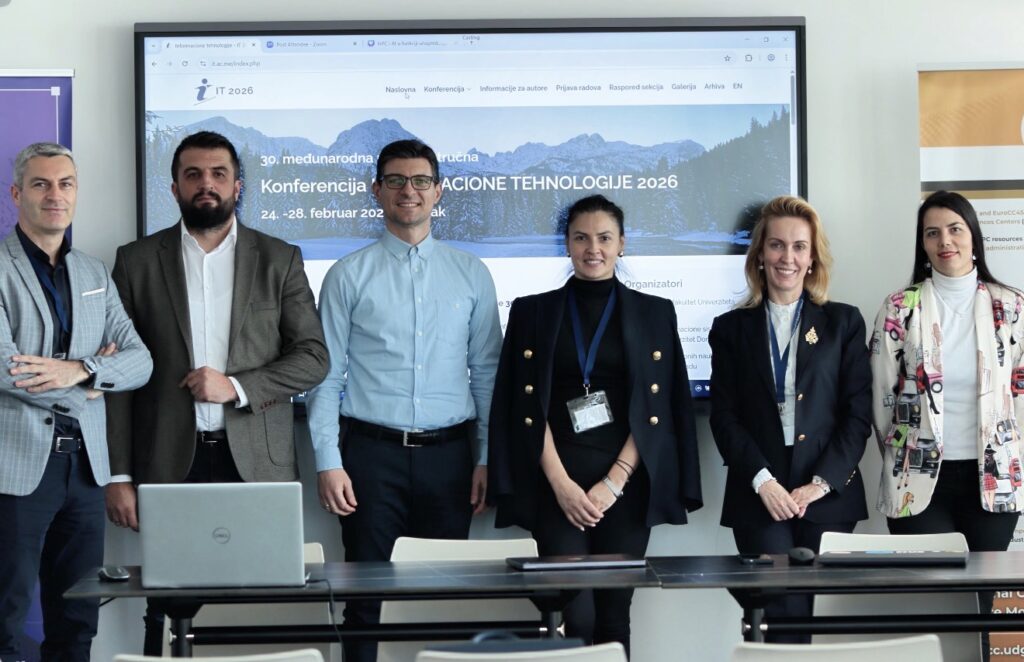
Another successful conference is upon us

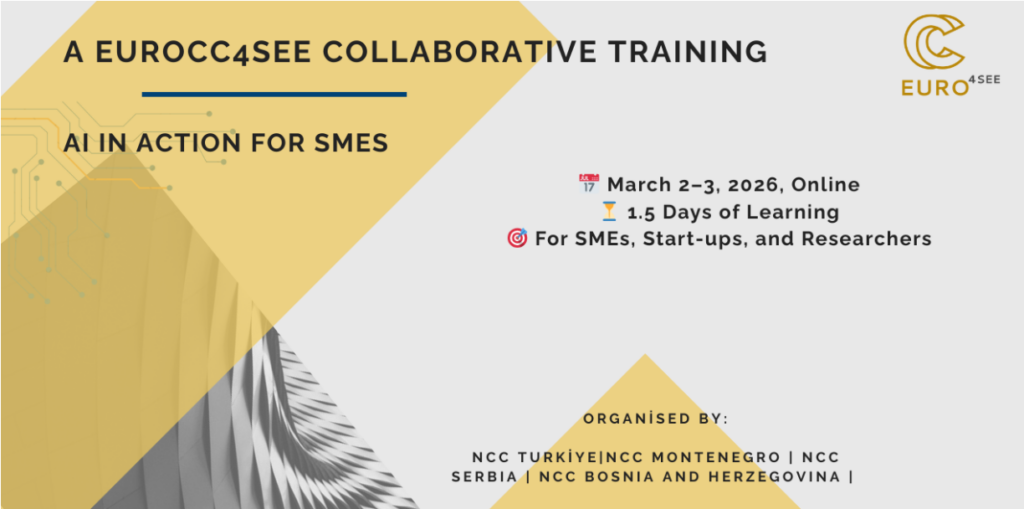
AI in Action for SMEs: EuroCC4SEE Collaborative Online Training

We are pleased to announce the upcoming “AI in Action for SMEs” training, organized within the EuroCC4SEE initiative by NCC Montenegro, NCC Serbia, NCC Bosnia and Herzegovina, and NCC Türkiye. This training will take place March 2-3, 2026.

Click on image for more info and registration

The 1.5-day online training is designed for SMEs, start-ups, technical leads, and researchers interested in practical adoption of Artificial Intelligence supported by High-Performance Computing (HPC).

🔗 Full agenda and registration: https://indico.truba.gov.tr/event/250/

What to Expect

The programme focuses on applied AI methods with live demonstrations and real-world use cases.

Day 1 covers Time Series Forecasting with AI & Machine Learning and Explainable AI (XAI), including HPC-enabled demonstrations and practical insights for business and healthcare applications. NCC Montenegro will actively contribute to the time-series and HPC session, presenting practical approaches relevant for SMEs.

Day 2 is dedicated to Applied Data Anonymization Techniques, addressing data protection challenges and practical anonymization approaches essential for responsible AI deployment

Invitation to Participants from Montenegro

As a co-organizer, NCC Montenegro will also present during the programme. We invite companies, researchers, and innovators from Montenegro to register and participate in this regional training.

This is an opportunity to:

  • Learn from hands-on AI & HPC demonstrations
  • Connect with regional NCC experts
  • Strengthen AI adoption capacity within your organization
  • Participation is free, and registration is open via the event page.

We look forward to strong participation from Montenegro.

HPC in the Service of Industry, Science and Public Sector Development – EUROCC4SEE and EUROCC2 at IT2026

From 25 to 28 February, in Žabljak, within the framework of the traditional IT Conference – one of the most significant scientific and professional conferences in the field of engineering and information sciences, held with IEEE support (triple IEEE concept in engineering) – the EUROCC4SEE Conference will be organized, with both in-person and online participation of partners.

EuroCC 2 & EuroCC4SEE at IEEE IT2026 in Zabljak

The conference will gather members of the EUROCC4SEE team, representatives of National Competence Centres (NCCs), as well as representatives of companies, the business community, and the public sector from the region and beyond. According to current registrations, more than 200 participants are expected, confirming the strong regional and international character of the event.

As part of the conference, a training session and workshop will be organized in line with the strategic tourism development priorities of all EUROCC4SEE countries, entitled:
“Application of HPC and AI to Enhance the Tourism Offer”, aiming to present the possibilities of applying High Performance Computing (HPC) and Artificial Intelligence in improving tourism services, data analytics, and the development of innovative digital solutions.

The conference program will also include presentations of research papers, proof-of-concept projects, and HPC success stories demonstrating the practical application of HPC infrastructure in science, industry, and the development of new technologies.

Special focus will be placed on two central panels:

  • Application of HPC in Science and Industry – Real Examples and Success Stories, bringing together representatives of academia, industry, and the public sector to exchange experiences and present concrete examples of HPC solution implementation;
  • Regional Cooperation and EuroCC Experience – EUROCC4SEE: What Have We Learned and Where Do We Go Next? Lessons Learned and Regional Experiences, focused on analyzing project results achieved so far, sharing regional experiences, and defining future directions for the development of the HPC ecosystem in Southeast Europe.

In order to strengthen cooperation with industry and institutions, B2B Meetings and Collaborative Initiatives Toward EUROCC3 will also be organized, enabling direct meetings with business partners, public sector representatives, and potential HPC resource users.

The EUROCC4SEE conference represents an important platform for knowledge exchange, enhancement of regional cooperation, and strengthening the application of HPC technologies in science, industry, and public policies, confirming the strategic importance of digital infrastructure and innovation ecosystem development in the region.

HPC and Artificial Intelligence in Healthcare: From Strategy to Clinical Impact

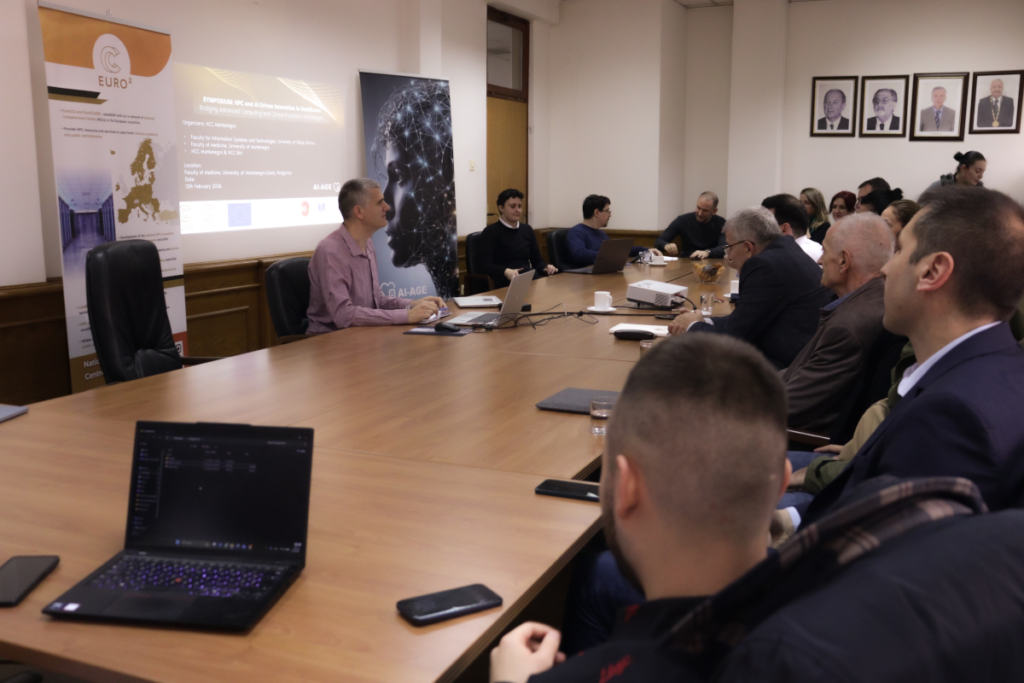
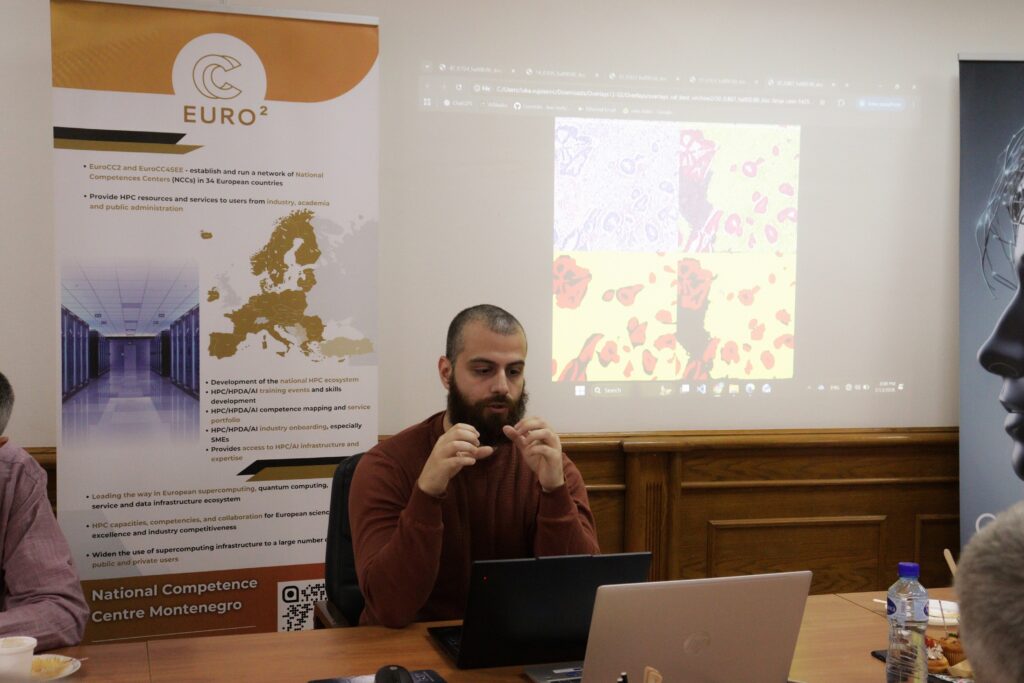
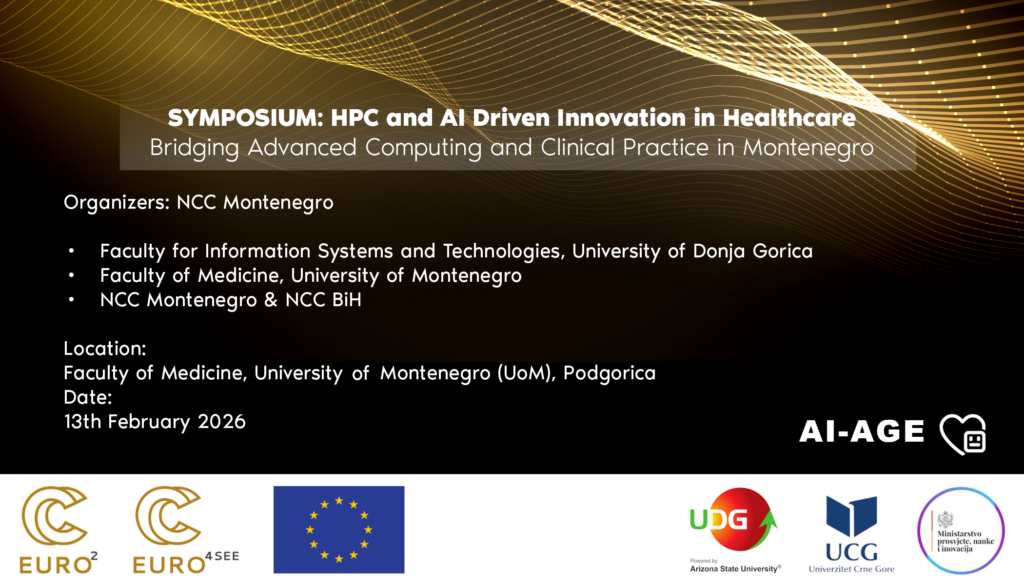
Podgorica, 13 February 2026 – The Faculty of Medicine at the University of Montenegro hosted a regional symposium dedicated to the application of High-Performance Computing (HPC) and Artificial Intelligence (AI) in healthcare and medical research.

The event was organized by NCC Montenegro, in collaboration with the Faculty for Information Systems and Technologies (UDG) and the Faculty of Medicine (UoM), within the framework of the EuroCC2 and EuroCC4SEE projects, with additional support from the AI-AGE research project.

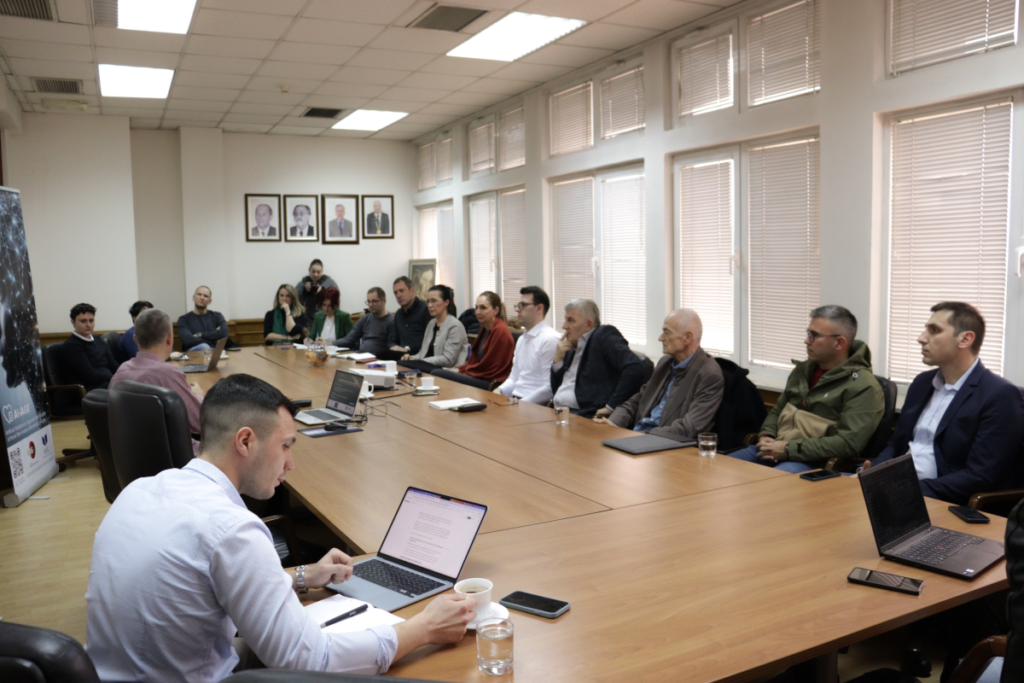
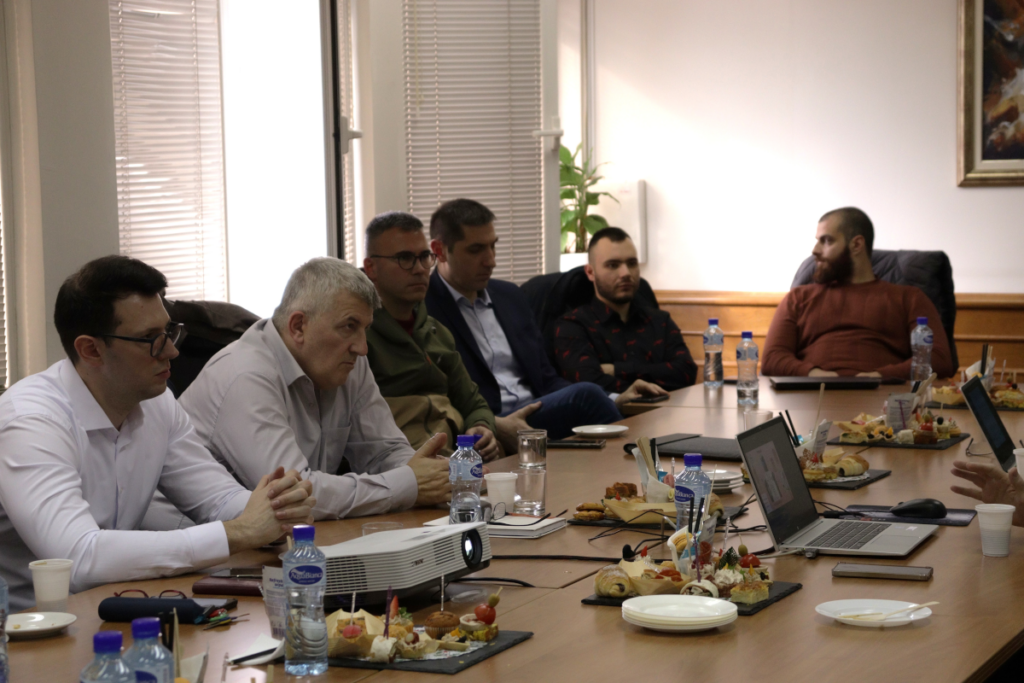
Bringing together approximately 20 participants from healthcare institutions, academia, innovative companies, and regional partners from Bosnia and Herzegovina, the symposium aimed to strengthen collaboration and advance the adoption of AI and HPC technologies in the health sector.

From Vision to Implementation

The programme combined strategic presentations, regional cooperation sessions, and technical demonstrations, creating a comprehensive overview of the current state of HPC and AI in healthcare.

NCC Montenegro presented Montenegro’s role as a national reference point for HPC, High-Performance Data Analytics (HPDA), and AI development. The presentation traced the entire pipeline—from clinical and biomedical data collection to AI model development and HPC-accelerated deployment.

A central message of the event was clear: HPC in healthcare is not merely about computational speed. It enables rigorous validation, reproducibility, and scalable deployment of AI models in real clinical environments.

Use cases discussed during the symposium included radiology, digital pathology, cardiology, genomics, ICU monitoring, and public health forecasting

AI-AGE: Advancing Research on Ageing

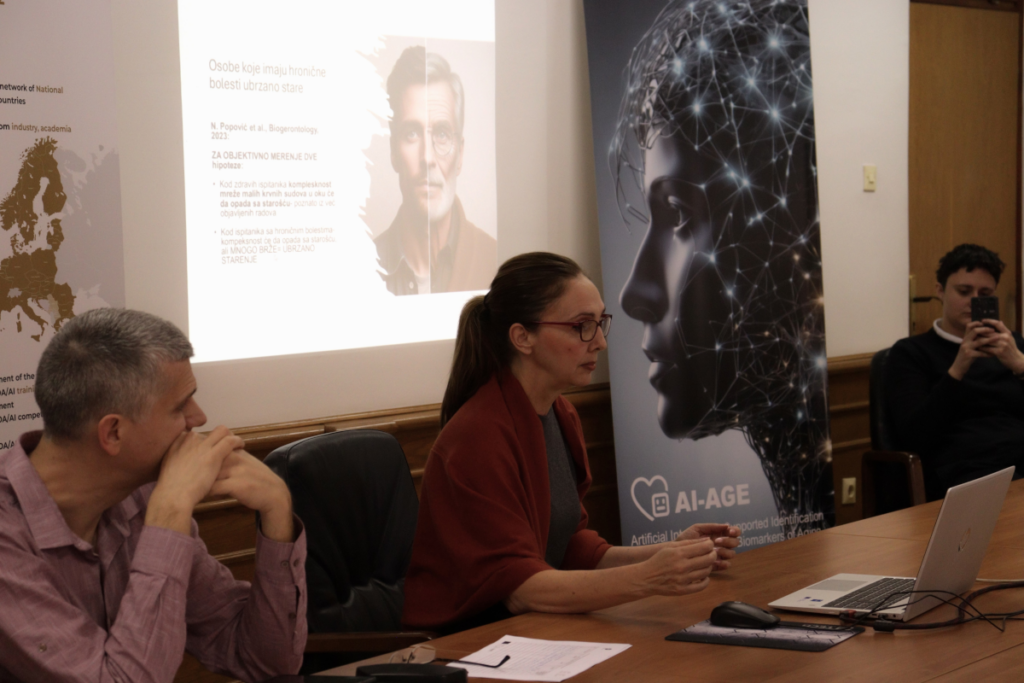
A dedicated session focused on the AI-AGE project, which explores retinal fundus imaging as a potential biomarker for accelerated biological ageing.

The interdisciplinary team presented research results based on UK Biobank data and datasets collected in Montenegro. Findings indicate that the complexity of retinal microvascular networks may decline more rapidly in patients with chronic diseases, highlighting potential applications in early diagnosis and monitoring.

Speakers emphasized the importance of careful model validation, addressing training bias, and ensuring responsible clinical deployment. The discussion also highlighted the potential of EuroHPC resources to further strengthen research capacity and computational scalability

Technical Showcase: AI Solutions Already in Practice

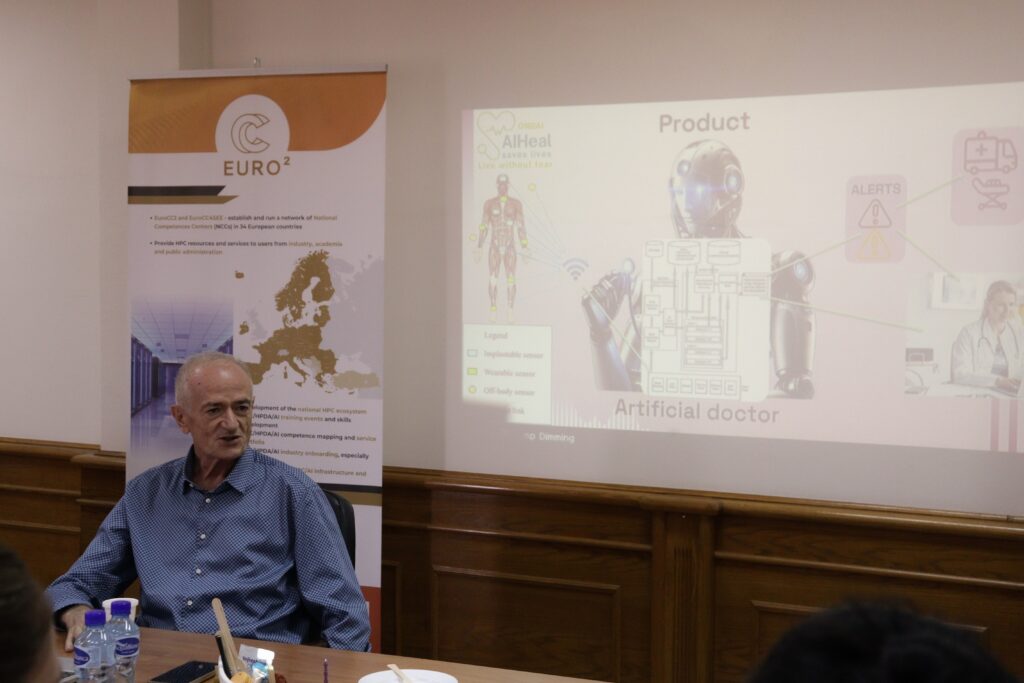
One of the most dynamic parts of the symposium was the Technical Showcase, where companies from Montenegro and Bosnia and Herzegovina presented concrete AI and HPC-enabled healthcare solutions.

Among the showcased innovations were:

  • AI-powered colon cancer detection in digital pathology using deep learning on high-resolution histopathology slides
  • AI-driven IoT platforms supporting clinical decision-making and patient management
  • AI systems for Alzheimer’s disease care, including predictive digital twins and multimodal reasoning tools
  • HPC-supported computational simulations accelerating pharmaceutical drug development

A particularly valuable component of the session was the sharing of experiences from companies that successfully applied for and received EuroHPC computing resources. These examples demonstrated how access to supercomputing infrastructure directly enhances model development, testing, and product readiness.

Strengthening Regional Cooperation

The symposium also included a regional twinning workshop between NCC Montenegro and NCC Bosnia and Herzegovina.

The session focused on joint strategies for stakeholder engagement, cross-border resource sharing, and knowledge transfer. The discussion confirmed that the twinning model is an effective mechanism for strengthening the South-East European HPC ecosystem and facilitating access to European supercomputing infrastructure.

Such cooperation is particularly important as the region prepares for the next phase of European HPC initiatives and increasing alignment with the EU AI Act and broader digital strategies.

Addressing Systemic Challenges

The event concluded with an interactive panel discussion titled “Orchestrating the Ecosystem.” Participants addressed key challenges facing AI adoption in healthcare, including:

  • The healthcare data gap and fragmentation
  • Regulatory complexity, particularly in the context of the EU AI Act
  • The need for stronger partnerships between industry, academia, and healthcare institutions

While AI model architectures continue to mature rapidly, participants agreed that the primary bottlenecks lie in data heterogeneity, evaluation standards, and deployment constraints rather than algorithmic limitations.

Healthcare representatives acknowledged the growing importance of HPC and AI in medical research but emphasized the need to improve institutional readiness for strategic and sustainable adoption.

A Strategic Step Forward

The symposium concluded with a shared commitment to:

  • Position AI and HPC as strategic priorities in healthcare innovation
  • Continue expanding infrastructure and access to HPC resources
  • Invest in skills development and capacity building
  • Strengthen regional collaboration across South-East Europe

The event marked an important step in connecting research excellence, industrial innovation, and clinical practice—demonstrating that HPC-enabled AI in healthcare is no longer a future concept, but an emerging regional reality.

HPC & AI in Healthcare: From Research to Clinical Practice in Montenegro and SEE

High-Performance Computing (HPC) and Artificial Intelligence (AI) are increasingly moving beyond research laboratories into real clinical environments. Across Montenegro and the SEE region, promising AI solutions have been developed for medical image analysis, biomarker detection, and predictive diagnostics. The critical challenge today is ensuring their structured transition from research prototypes to validated, deployable tools within healthcare systems.

Please contact us for attendance, limited number of seats

This event addresses precisely that transition. It focuses on how HPC infrastructure, interdisciplinary collaboration, and coordinated ecosystem support can accelerate the integration of AI into everyday clinical practice. Particular attention will be given to available computational capacities, real-life use cases, and pathways toward sustainable deployment.

The event is organized as a joint initiative between NCC Montenegro and NCC Bosnia and Herzegovina, within the broader framework of EuroCC 2 and EuroCC4SEE. It also represents a form of cross-project pollination with the AI-AGE project, demonstrating how research-driven innovation can evolve into applied healthcare solutions through regional cooperation.

Collaboration between NCC Monteengro and NCC Bosnia and Herzegovina

Researchers, clinicians, innovators, and industry partners are invited to join the discussion, exchange expertise, and contribute to shaping the next steps for HPC- and AI-driven healthcare across Southeast Europe. The event is scheduled for Friday, 13 Feb 2026. Please contact us for further details.

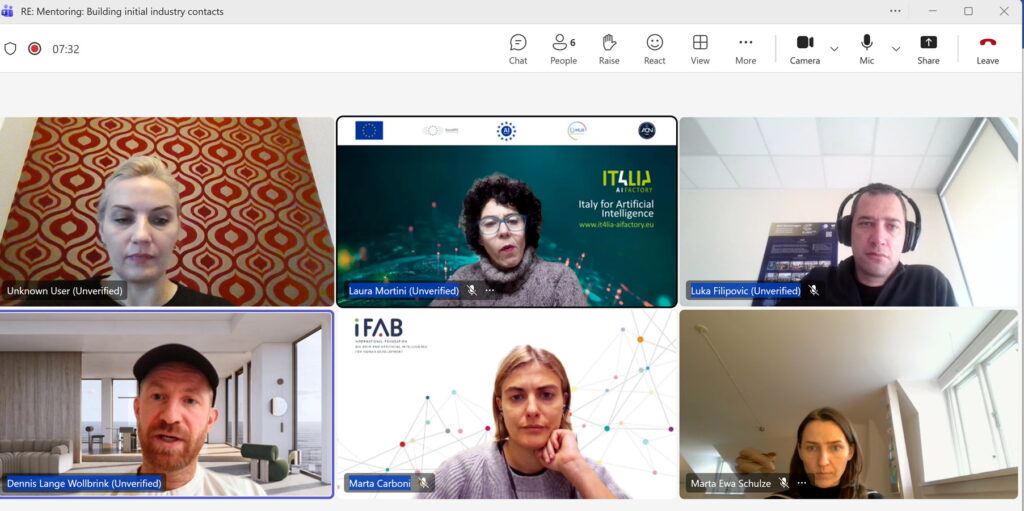
NCCs from Italy, Denmark and Montenegro Share Experiences on Strengthening Industry Engagement in HPC, HPDA and AI

NCCs Montenegro, Italy, and Denmark held an online mentoring and twinning session (30.01.2026) focused on sharing valuable experiences and good practices in building initial industry contacts in the fields of HPC, HPDA, and AI. The discussion centred on practical approaches and lessons learned in engaging companies—particularly SMEs—and on transforming NCC technical expertise and resources into attractive, demand-driven service offerings.

EuroCC mentoring and twinning session

The NCCs shared concrete examples of mapping local ecosystems and working with key national stakeholders, strategic partners and industry intermediaries—including chambers of commerce, industry clusters, digital agencies, science and technology parks, start-up incubators/ accelerators, etc., and European Digital Innovation Hubs (EDIHs)—to reach targeted companies and industry leaders. Collaboration models, including joint workshops, training activities, and project initiatives, were highlighted as effective means of promoting access to HPC and AI resources, expertise, and funding support.

The session also highlighted the importance of continuous visibility and coordinated outreach through channels such as LinkedIn, newsletters, and active participation in targeted conferences and networking events, as key enablers for promoting NCC services and strengthening industry uptake.

Strengthening EuroCC4SEE Collaboration: NCC Montenegro Visit to NCC Bosnia and Herzegovina

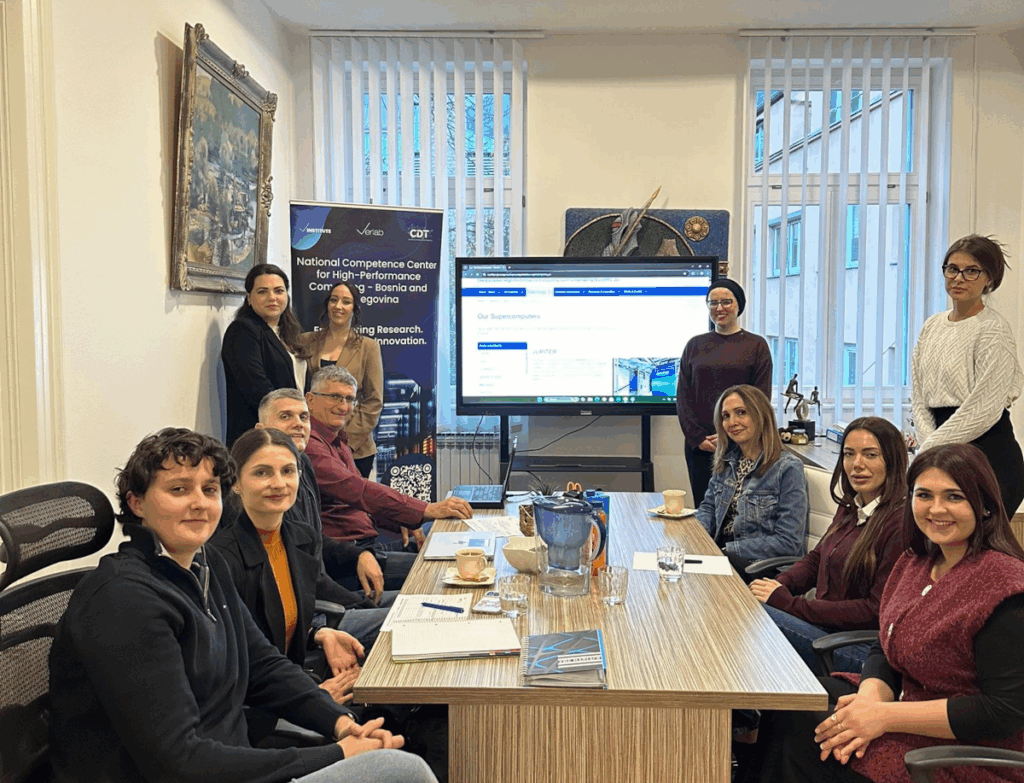
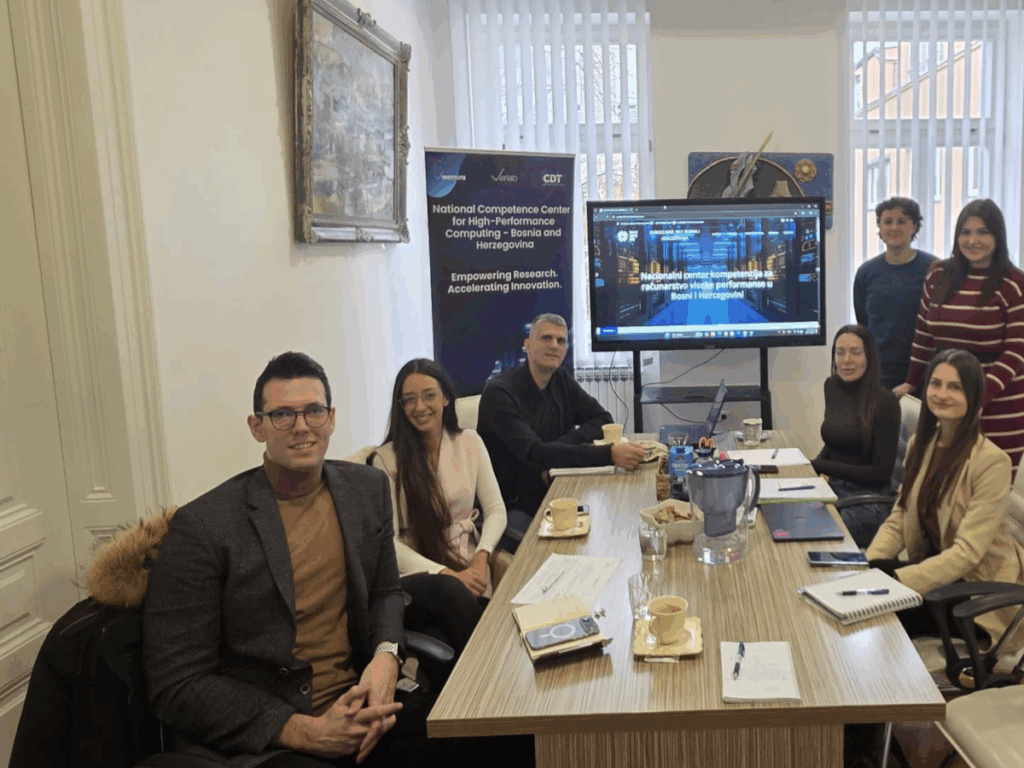
At the end of November 2025, representatives of NCC Montenegro visited the Verlab Institute and NCC Bosnia and Herzegovina in Sarajevo for a two-day working meeting held within the EuroCC4SEE framework. The visit focused on strengthening regional cooperation, supporting twinning and mentoring activities, and expanding joint engagement with academia and industry. The meetings brought together both NCC teams as well as IT industry stakeholders, underscoring the growing importance of SMEs in HPC and AI adoption across the Western Balkans.

Day 1: Coordination, Planning, and Strategic Alignment

The first day centred on aligning the two NCCs on upcoming activities and mapping joint priorities for the next three months. The discussions focused on student engagement, training coordination, and preparation of several regional events.

Continuation of NCC collaboration between NCC Montenegro and NCC Bosnia and Herzegovina

Key outcomes included:

  • NCC BiH participation in the NCC Montenegro Conference (13 December 2025), showcasing HPC/AI proof-of-concepts and project activities.
  • Joint planning of workshops and PoC support for companies, combining experiences from Montenegro and Bosnia and Herzegovina, and building on ongoing collaborations with NCC Poland and NCC Latvia.
  • Agreement to co-organise major events in early 2026, including the AI in Medicine event in Montenegro and the Žabljak IT Conference.
  • Coordination on joint scientific publications, using existing datasets and aligning research topics across the two centres.

These discussions reaffirmed the value of EuroCC4SEE’s twinning and mentoring model, enabling both NCCs to share practices, strengthen their training pipelines, and streamline outreach to researchers and SMEs.

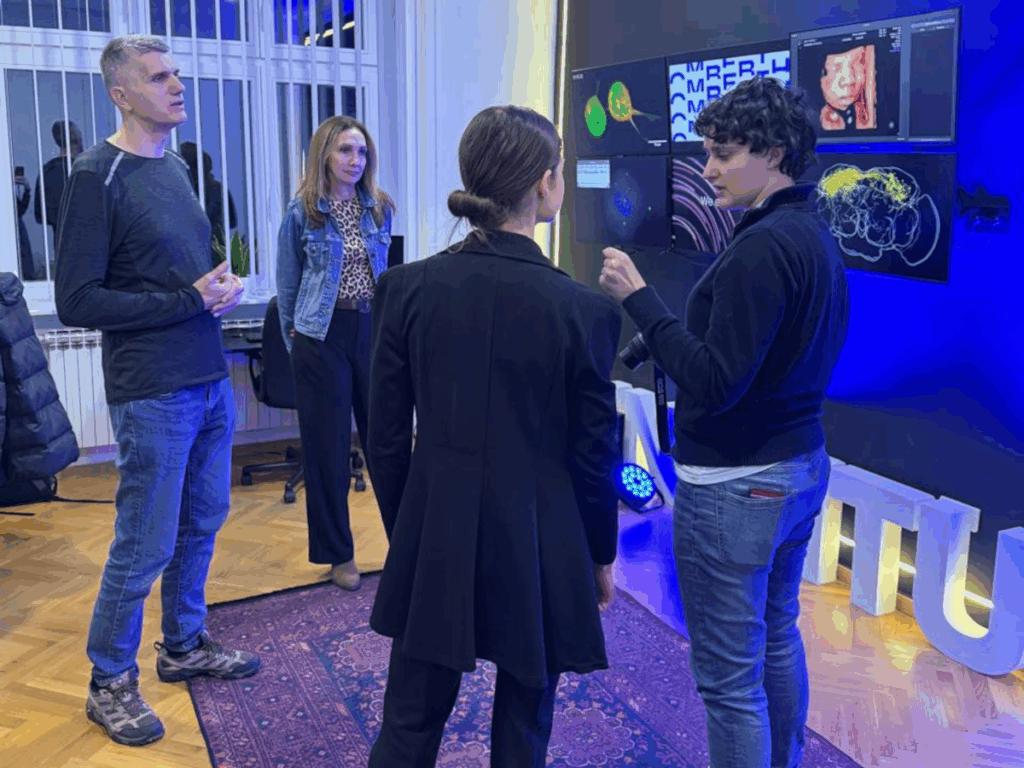
Both UDG and UCG representatives participated in the meetings with NCC BiH team

Day 2: Knowledge Exchange, SME Engagement, and Practical Collaboration

The second day focused on operational collaboration, with a workshop dedicated to industry outreach and experience exchange related to HPC and AI services. NCC Montenegro shared its methodology for working with companies, including how to communicate EuroHPC JU opportunities and guide SMEs through resource applications.

Day 2 included exchange of experiences, SME engagement, EuroHPC access to resources

A local IT company that already uses NCC BiH resources joined the discussion. Their participation added a practical industry perspective and resulted in commitments to:

  • take part in the AI in Medicine event in Montenegro,
  • join the Žabljak IT Conference,
  • explore deeper involvement in EuroHPC-supported pilot activities.

The workshop also enabled both NCCs to discuss effective utilisation of local HPC clusters, exchange good practices on scaling AI workloads, and review success factors for EuroHPC JU applications based on real user cases.

We discusssed joint PoC activities in medical and healthcare domains

Finally, the partners agreed to jointly explore Horizon Europe funding opportunities related to HPC scalability, applied AI, and capacity building—further extending the collaboration beyond EuroCC4SEE.

A Visit That Strengthened Regional Ties

The meetings in Sarajevo were assessed as highly productive, resulting in clear commitments, strengthened operational cooperation, and a shared plan for the months ahead. By combining training coordination, SME engagement, research collaboration, and strategic event planning, NCC Montenegro and NCC Bosnia and Herzegovina continue to build a more connected and capable regional HPC and AI ecosystem—fully aligned with the mission of EuroCC4SEE.