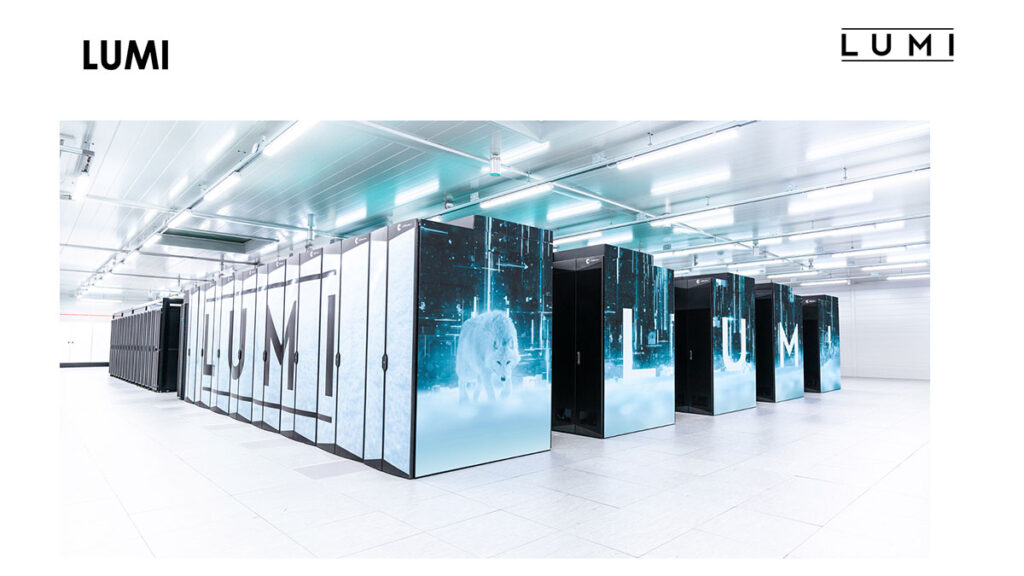
The Institute of Hydrometeorology and Seismology of Montenegro successfully secured HPC access from the EuroHPC JU Development Call for their project titled: “HPC Development for Very-High-Resolution Atmospheric Reanalysis Using a Nonhydrostatic Mesoscale Model over Montenegro (1995–2024)”. The project aims to enhance mesoscale weather modeling capabilities using the WRF-NMM (Nonhydrostatic Mesoscale Model) and to investigate the scalability and performance of nonhydrostatic dynamic cores on state-of-the-art high-performance computing (HPC) architectures.
Through this initiative, the project was granted 4,000 node hours on the LUMI-C partition for a period of six months. The National Competence Centre (NCC) Montenegro provided support throughout the project application process.
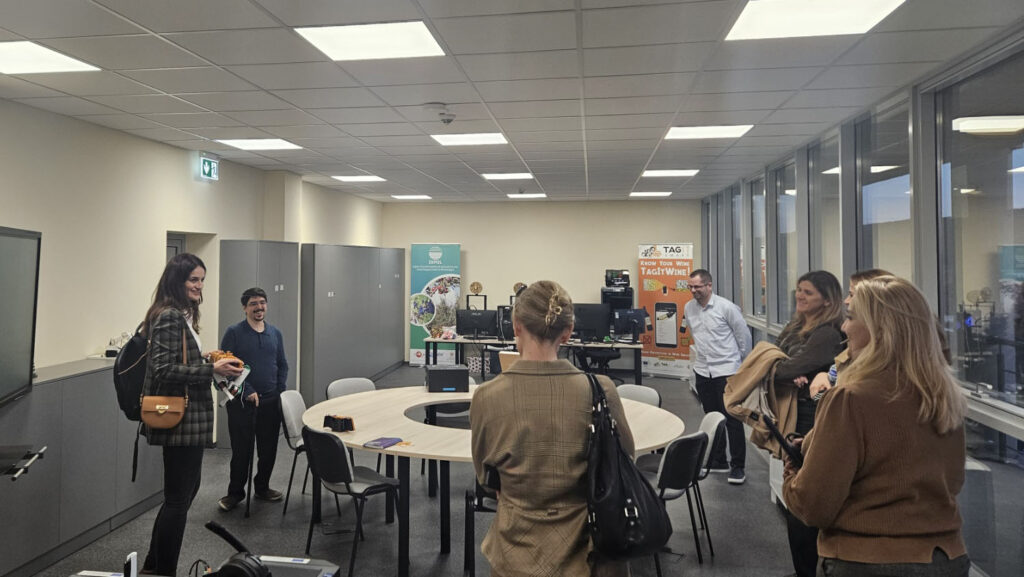
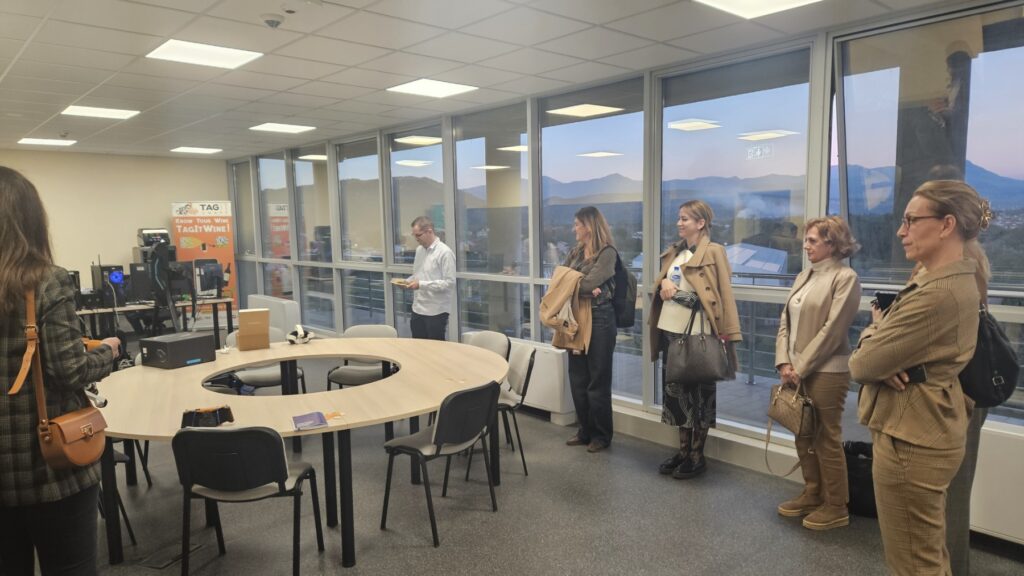
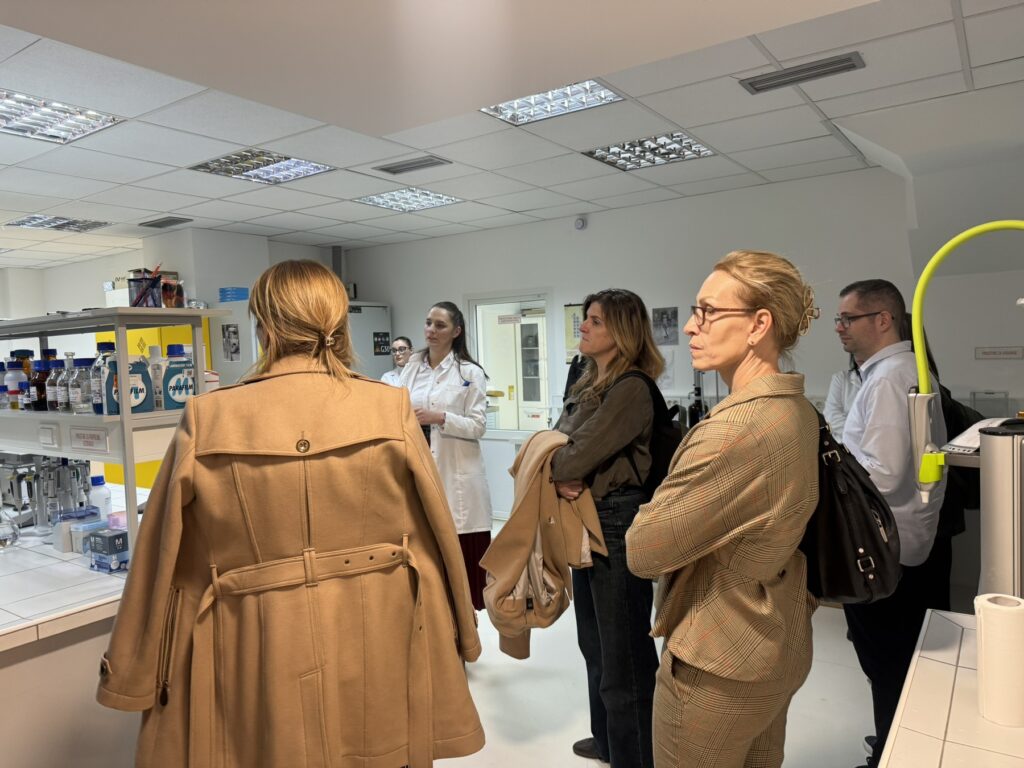
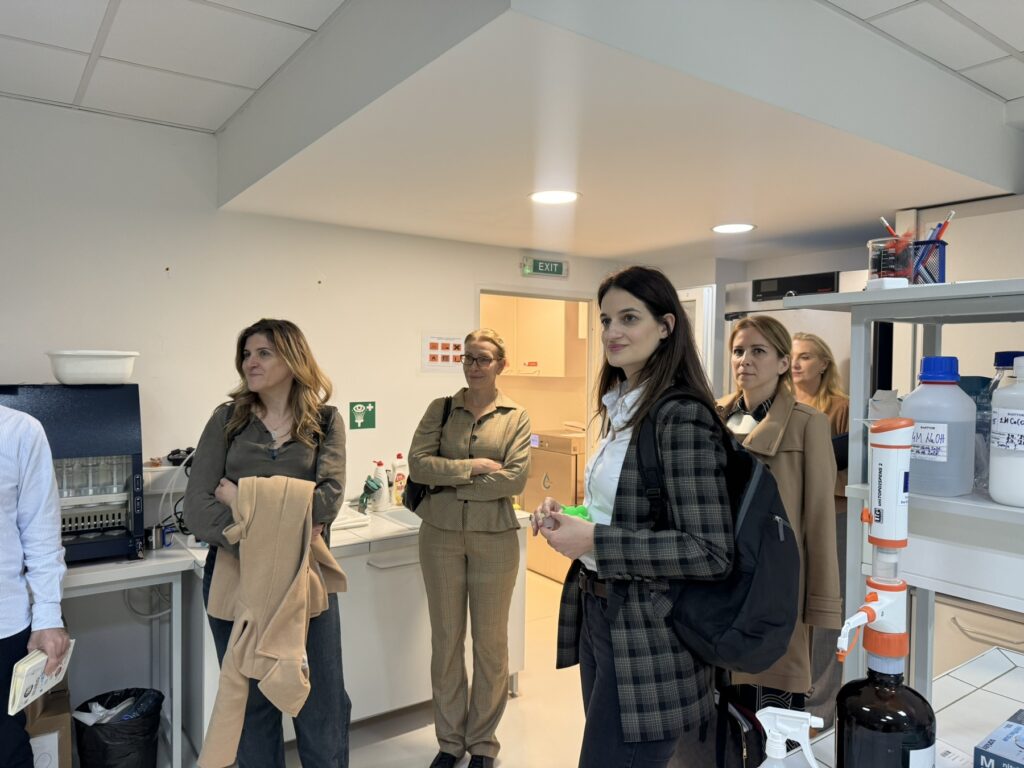
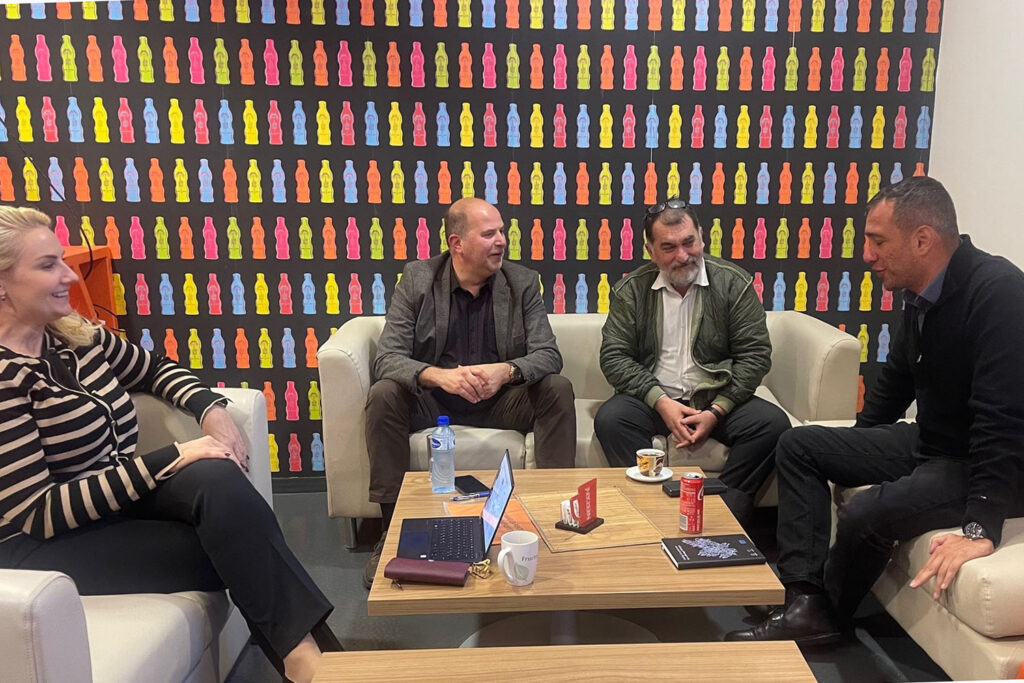
Representatives of NALED and Philip Morris International visited UDG, NCC Montenegro, and CoE FoodHub
Representatives of NALED (National Alliance for Local Economic Development), Serbia, and Philip Morris International visited the University of Donja Gorica, where they presented their leading projects — StarTech, Empower Innovation, and particularly PMInnovia — aimed at connecting science and industry, promoting the concept of open innovation, and supporting researchers and innovators in developing ideas to improve products, processes, and the competitiveness of the economy.
During the visit, the representatives of NALED and PMI were introduced to the research and project activities of UDG, the National Competence Center for Supercomputing (NCC Montenegro), and the Center of Excellence for Digitalization of Food Safety Risk Assessment and Precision Certification of Food Product Authenticity (CoE FoodHub), particularly in the areas of HPC and AI technology applications and support for digital innovations in smart agriculture, personalized medicine, monitoring the authenticity of Montenegrin food products, and bioinformatics for genomic profiling.
The delegation also toured the Virtual Reality (VR) and 3D Printing Laboratory, where student projects showcasing the connection between technology, robotics, research creativity, and industrial relevance were presented. They also visited the Food Safety and Quality Laboratory, where modern methods and equipment for physico-chemical and microbiological analyses were demonstrated, as well as the Entrepreneurial Nest, where they learned about business initiatives supporting innovation and students, such as UDG’s StartUp program and the Entrepreneurial Ideas Exchange.
The professional discussion focused on mapping regional expertise, biotechnological innovations, and exploring potential collaboration within interdisciplinary teams sharing a common vision of advancing the innovation ecosystem and the economic development of the region.
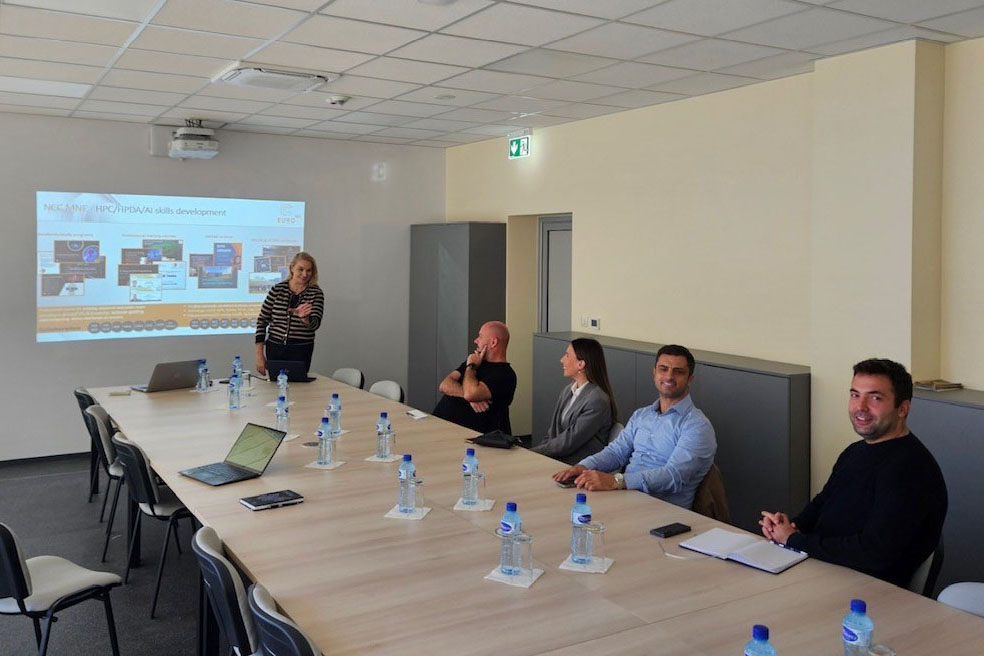
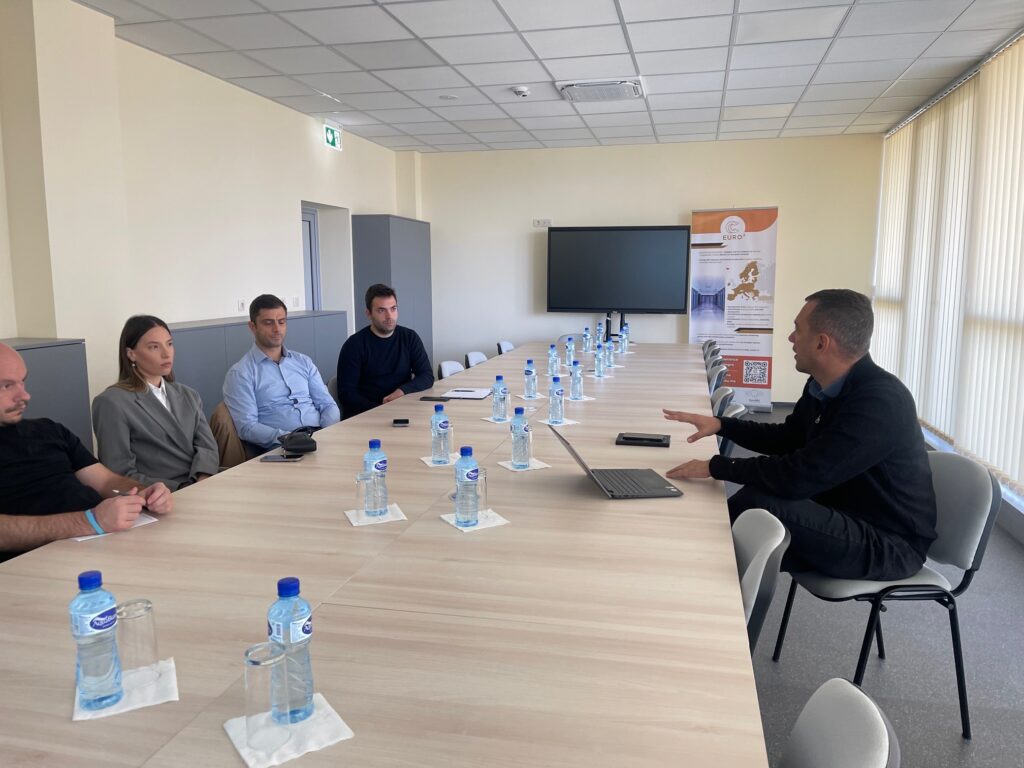
On 24 October 2025, NCC Montenegro held an initial meeting with Telekom Montenegro to discuss potential cooperation opportunities in the field of AI-driven innovation and HPC resource utilisation within the scope of ICT networks and services.
The meeting marked an important step towards strengthening the link between advanced computing infrastructure and AI innovation across the industry’s diversified portfolio. Discussions focused on identifying potential use-case scenarios where HPC and AI technologies could enhance network optimisation, predictive maintenance, and customer experience through diagnostic and predictive data analytics and advanced AI modelling.
Representatives of Telekom Montenegro expressed strong interest in exploring how NCC Montenegro could support experimentation, testing, and capacity-building initiatives. Both parties agreed to continue with technical consultations and support activities based on international benchmarks and the adaptation of successful Telco use cases and best practices to local needs, particularly in the areas of network efficiency and advanced customer analytics.
This collaboration aligns with the mission of NCC Montenegro to accelerate the adoption of HPC and AI technologies across large enterprises and strategic national industries.
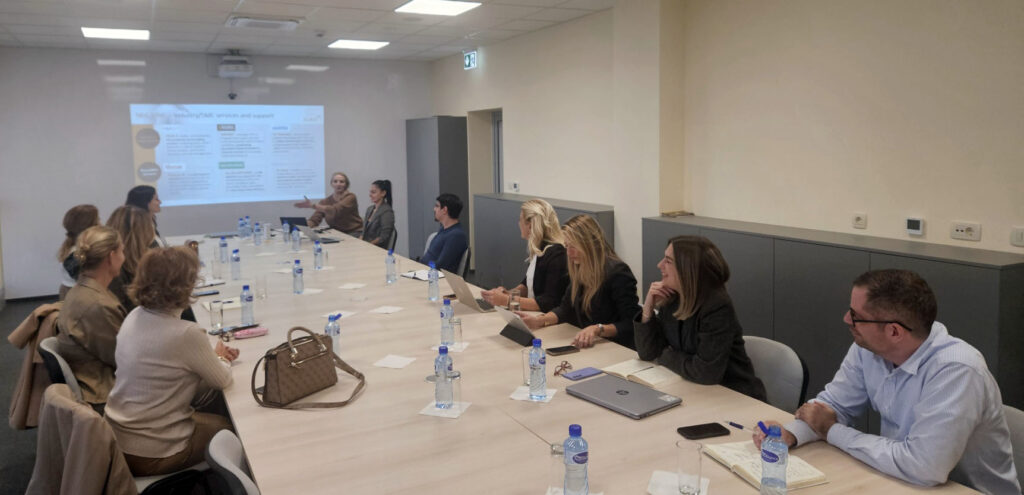
Podgorica, 23.10.2025 – NCC Montenegro held a follow-up meeting with representatives of Tara Resources, and the Institute of Hydrometeorology and Seismology of Montenegro (IHMS), to discuss project cooperation in the field of precise weather forecasting and smart energy solutions based on WRF model simulations and HPC capacities. This meeting built upon the initial consultations held on 9 October 2025 with Tara Montenegro, where opportunities for applying high-performance computing to energy optimisation in connection with precision weather forecasting were first explored.
The discussion highlighted the cross-industry potential of supercomputing technologies to improve regional weather prediction accuracy, enable data-driven planning for microclimate patterns, and support renewable energy management. Representatives of Tara Montenegro and IHMS expressed strong interest in continuing cooperation with NCC Montenegro through joint R&D activities connecting scientific expertise, industrial application, and HPC infrastructure.
It was agreed to proceed with technical consultations and project scoping under the EuroCC4SEE framework to further advance HPC-enabled cross-industry innovation in meteorology and smart energy.
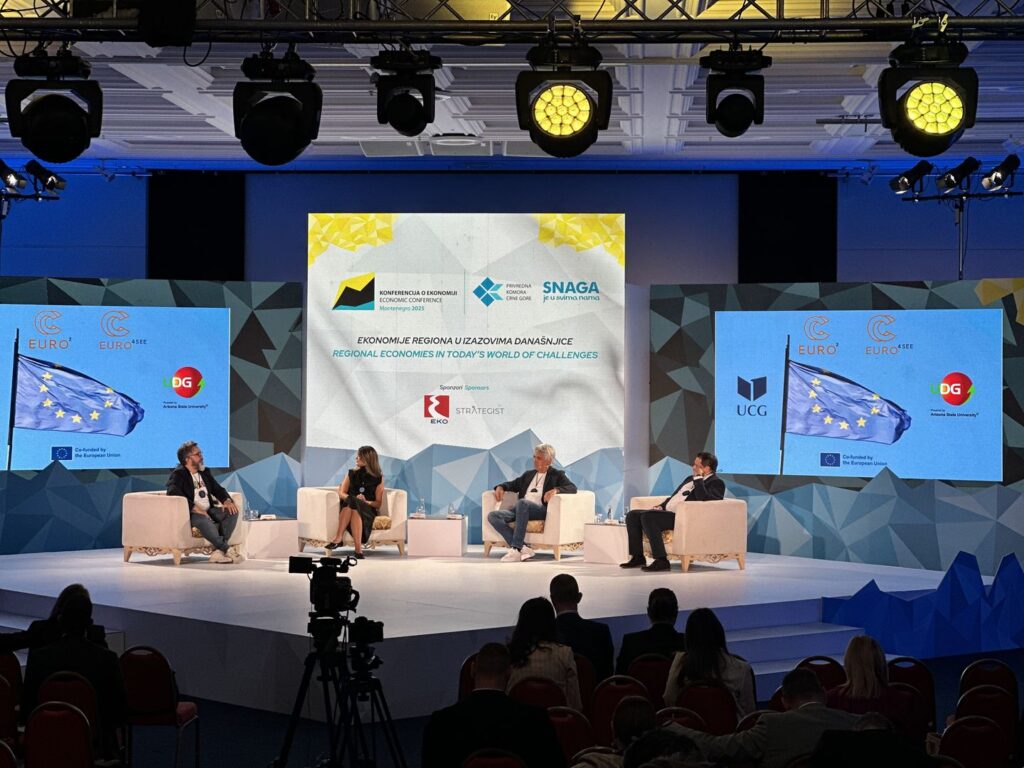
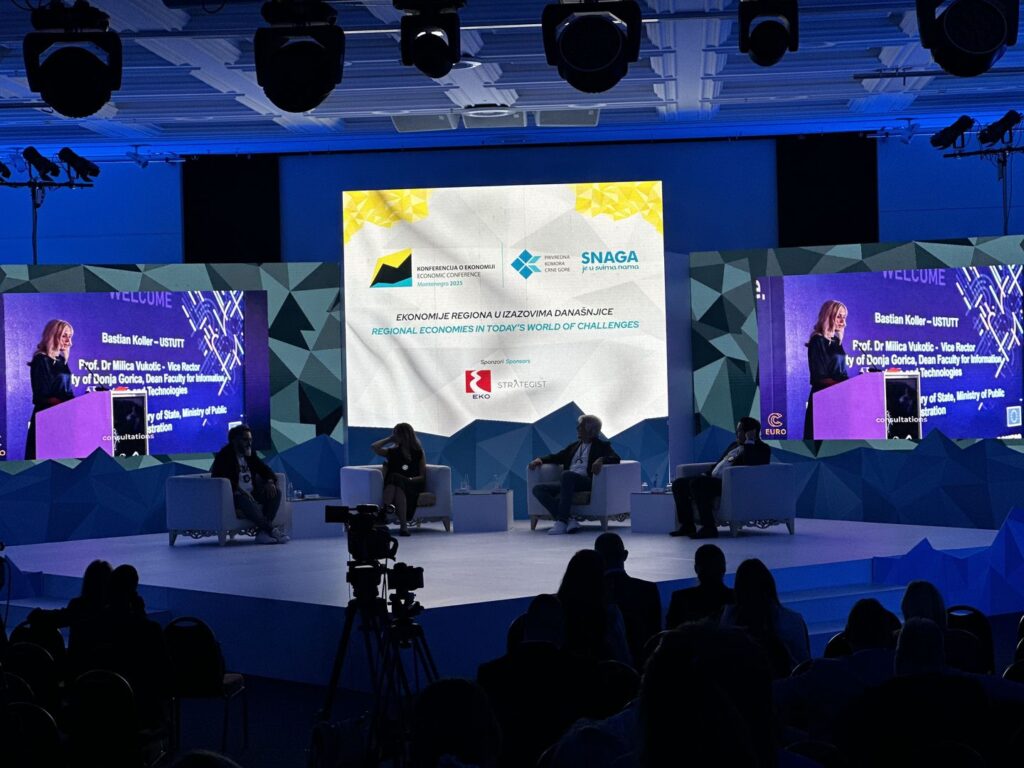
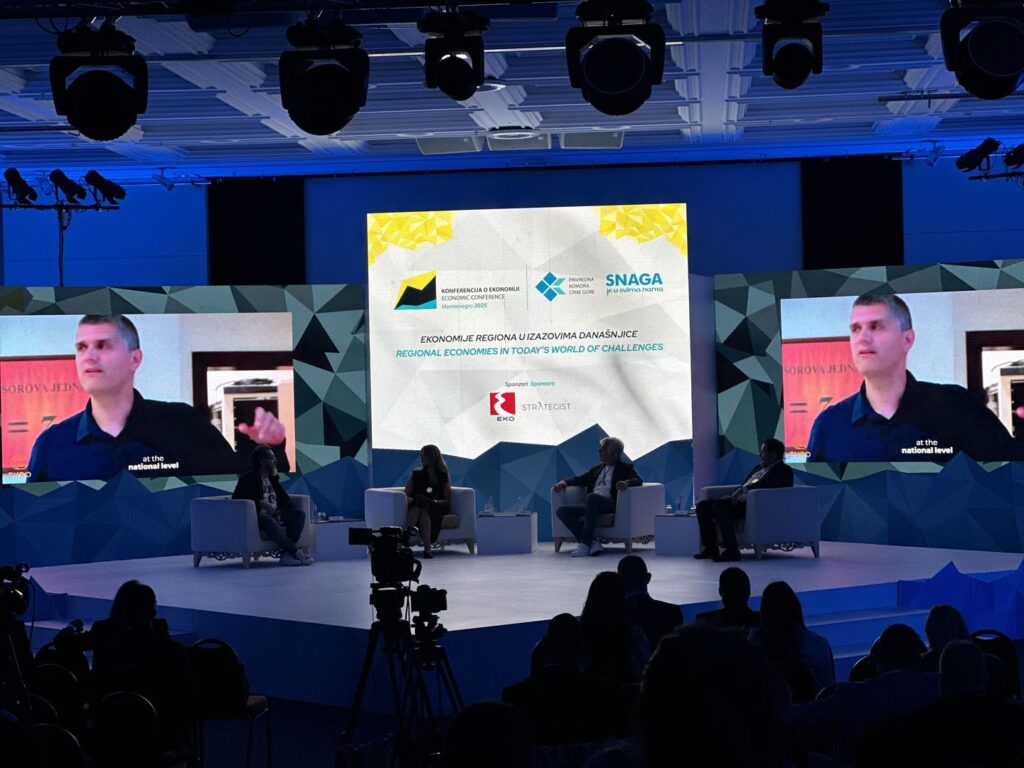
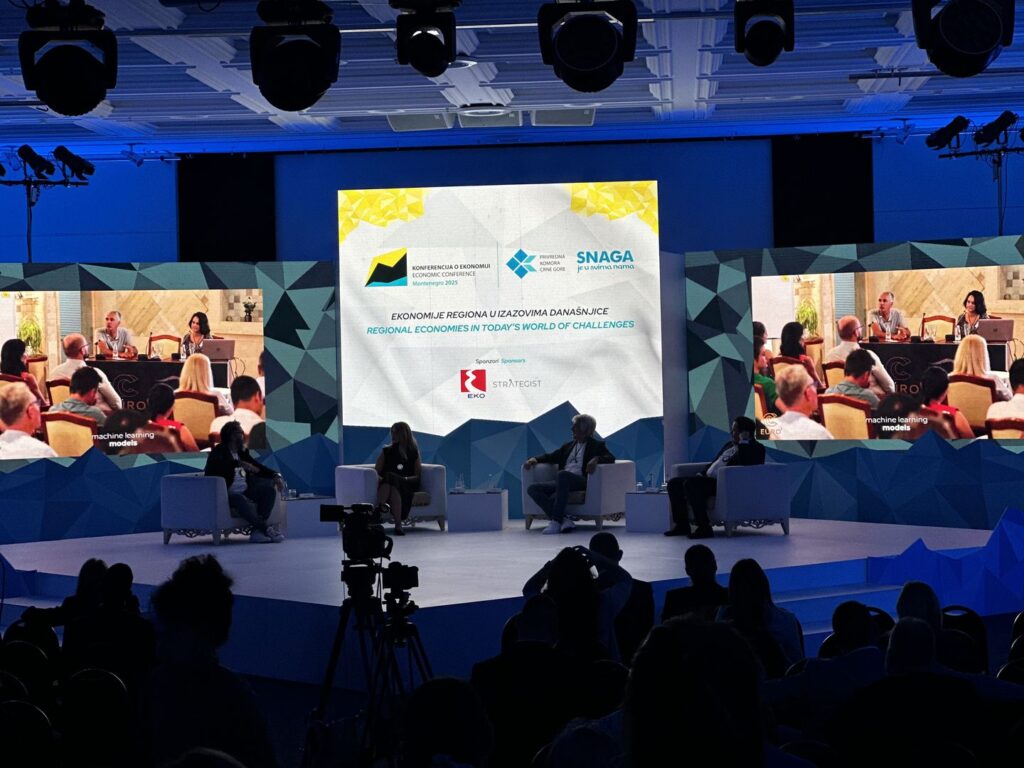
At the 14th Conference on Economics “Montenegro 2025”, organized by the Chamber of Economy of Montenegro in Budva, the services, activities, and results of the EUROCC / NCC Montenegro project were presented. This year’s conference, themed “Regional Economies Facing Today’s Challenges”, gathered over 400 participants from Montenegro, the region, and the European Union — representatives of business, institutions, and academia.
During the panel “Digital Transformation – Where Are We and Where Do We Need to Be”, the EUROCC / NCC Montenegro project was introduced in detail as an initiative that actively supports digital transformation and the development of innovation capacities in Montenegro through a network of services and expertise in High-Performance Computing (HPC), Artificial Intelligence (AI), and Data Analytics.
The panel opened an important discussion on Montenegro’s current position on the path of digital development and the key steps needed to build a modern, connected, and technologically advanced society. Special emphasis was placed on the role of NCC Montenegro in strengthening cooperation between academia, industry, and the public sector, and in building a sustainable digital ecosystem.
The discussion was complemented by a video presentation showcasing EUROCC / NCC Montenegro’s activities, results, and available services for researchers, institutions, and the business community.
The participation of NCC Montenegro at the conference reaffirmed its strategic role in connecting research, education, and industry, and in fostering digital and innovation competitiveness in Montenegro.
DeepMark, a start-up company working on development of invisible and permanent digital marks (watermarks) that can be embedded in images, audio, and video content without compromising quality has made successful application to EuroHPC JU Development call, thus gaining 4500 node hours to Leonardo Booster partition for a period of one year. NCC Montenegro supported this project application.
Provenance for synthetic media remains unsolved: most watermarks fail after routine processing, and especially under modern AI transforms. DeepMark advance a learning-based system that co-trains a neural embedder and detector through a differentiable signal chain that mimics real pipelines. Goals of the project are: (i) lower bit-error rates at equal perceptual quality; (ii) patchable watermarking so future embedders remain detectable by a single detector; and (iii) calibrated, segment-level detection for forensics and compliance. Access to A100 nodes and a parallel file system is required to tune multi-GPU scaling and remove I/O bottlenecks.
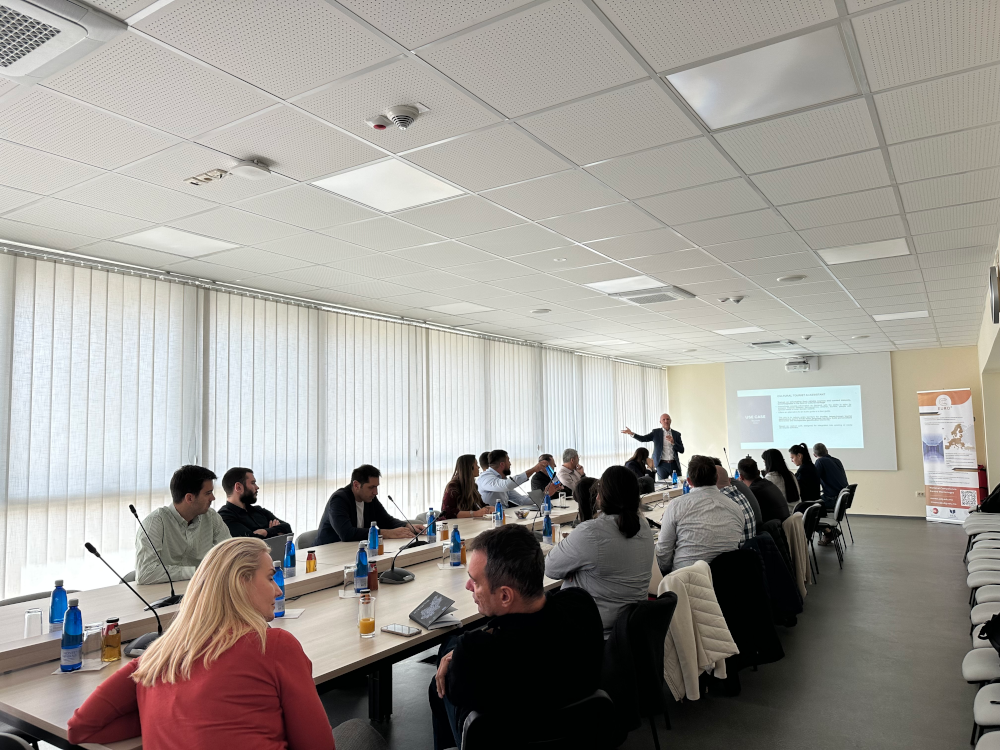
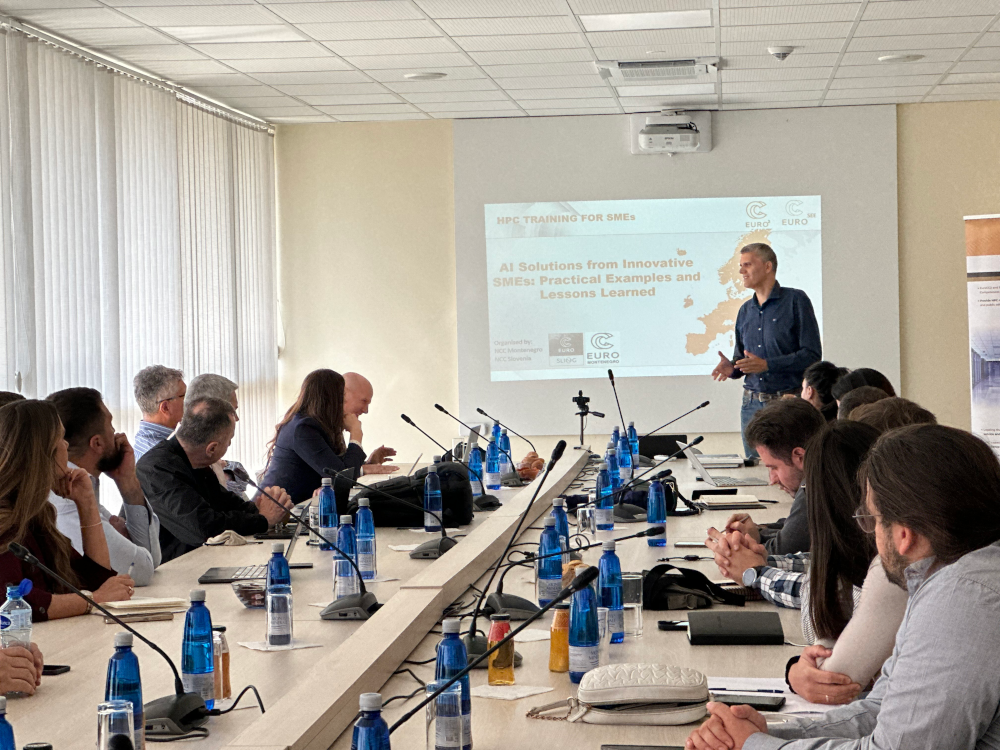
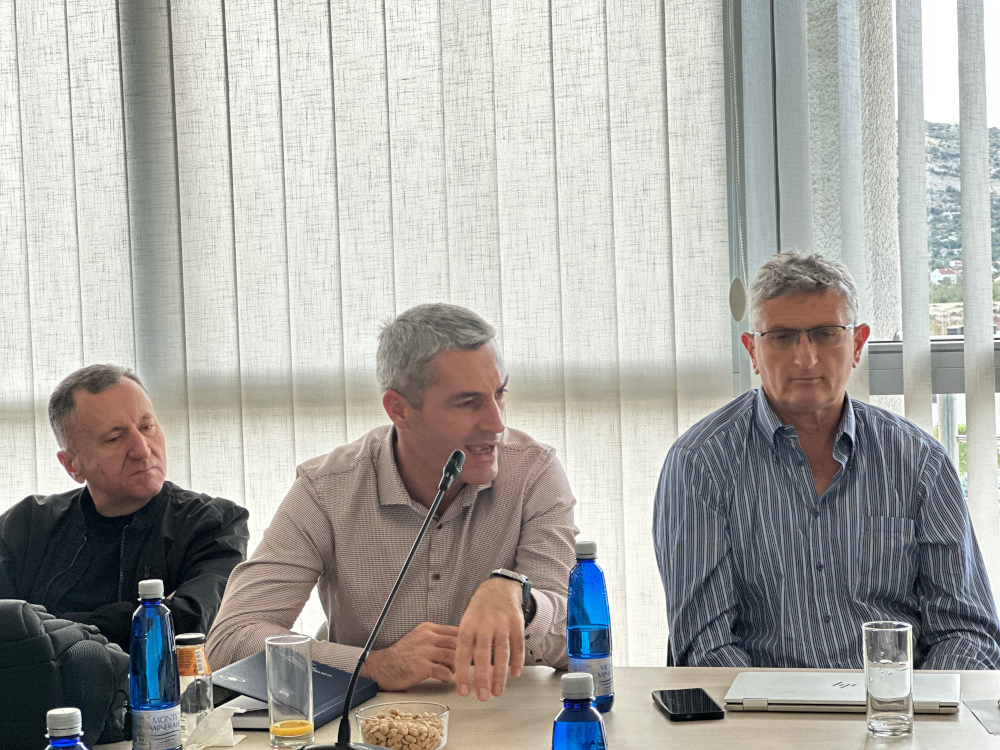
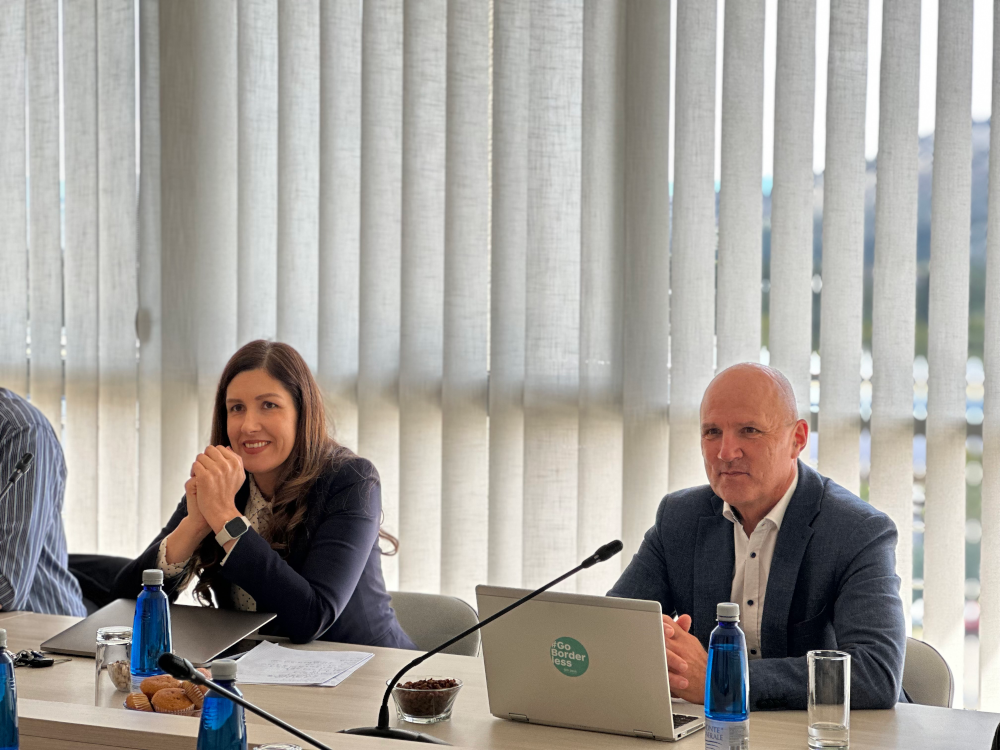
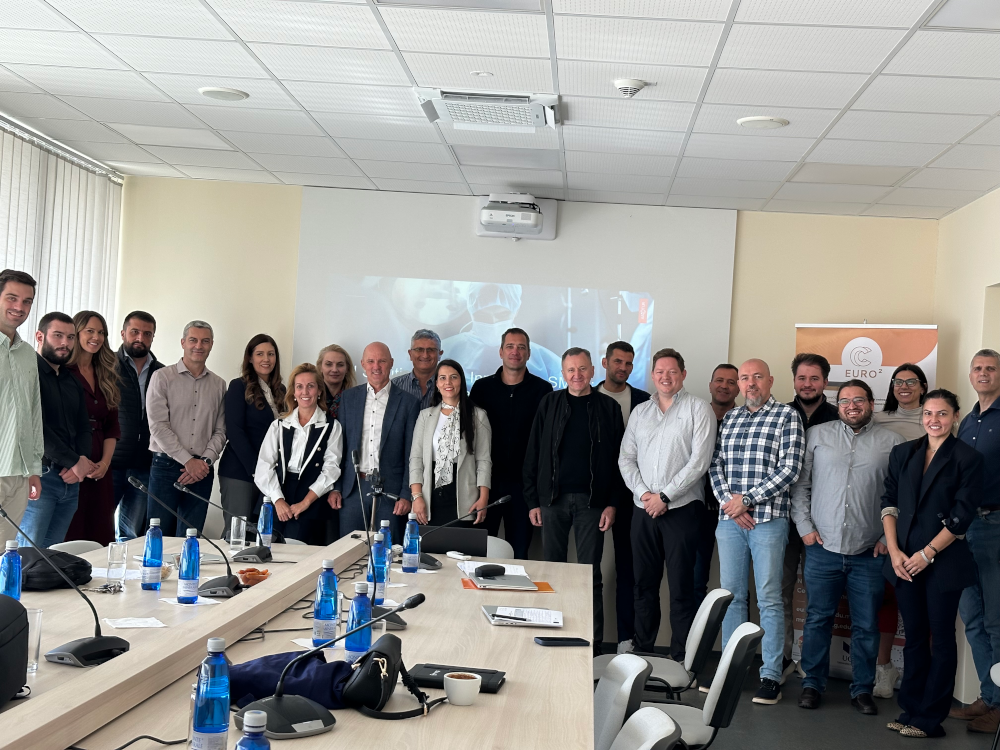
NCC Montenegro, in collaboration with the NCC Slovenia, organized a collaborative workshop and training AI Solutions from Innovative SMEs: Practical Examples and Lessons Learned on October 7, 2025 in Podgorica at University of Donja Gorica. The workshop focused on the opportunities and advantages of HPC and AI technologies in the business sector and best practices in the industry. Approximately 25 participants attended the workshop, including industry experts who deal daily with research and practical examples in the field of artificial intelligence based on HPC.
Tomi Ilijas, NCC Slovenia, Arctur
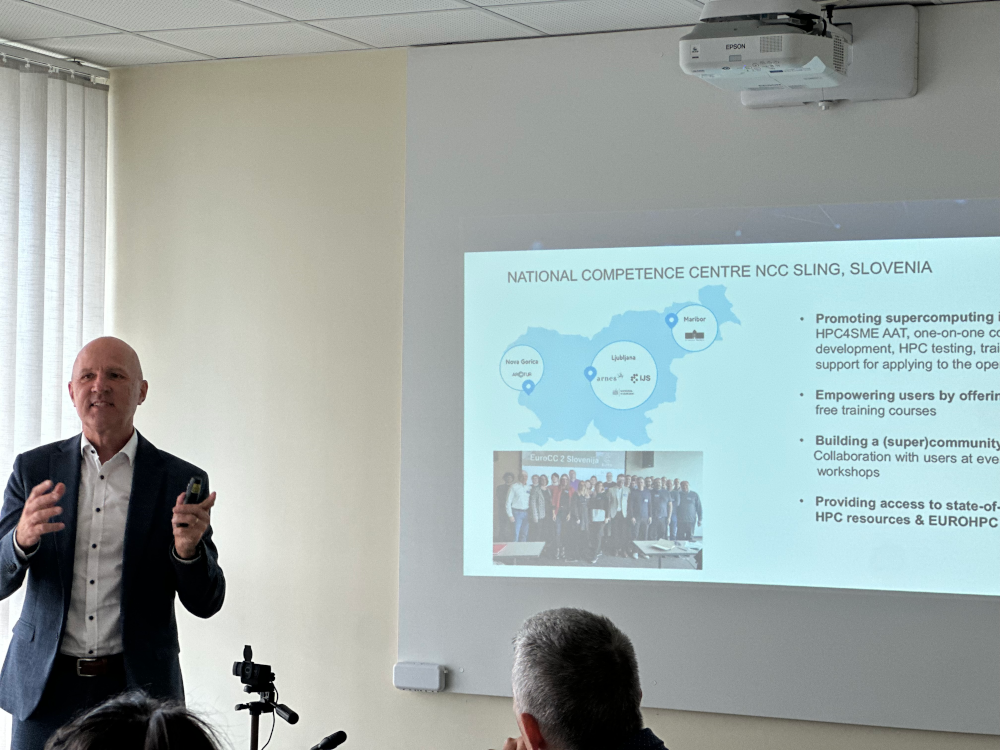
Tomi Ilijaš, representing Arctur and the NCC SLING initiative in Slovenia, discussed the emerging opportunities for SMEs within the HPC ecosystem. He introduced support structures aimed at making advanced computing more accessible to smaller businesses and highlighted case studies of SME innovation enabled by HPC services.
Presentation on lessons learned and new opportunities for the industry
Ilijaš highlighted two of Arctur’s valuable use cases, CLASSICA and LLMs4EU. These projects are powered by supercomputers and AI, enabling faster workflows and precise analysis. Use case in tourism LLMs4EU aims to reduce entry barriers for smaller, lesser-known tourist destinations and to break down language barriers, build personalized itineraries and incorporate gamification elements. Based on vertical LLM, designed for integration into existing or newly developed software. The main goal of the CLASSICA project – the use of AI technology for cancer classification in the operating theatre. Ilijaš presented the project activities and highlighted the importance of AI technology for image recognition and tissue classification.
NCC Monteengro moderated the discussion
The second part of the workshop focused on the FFplus call Innovative studies for SMEs. FFplus is a successor to previous Fortissimo projects (Fortissimo, Fortissimo-2, FF4EuroHPC; 2013-2023). Both, NCC Montenegro and NCC Slovenia representatives, explaines and announce to the Montenegrin SMEs the Innovative studies call which will be open in December 2025. This call will support European SMEs and Start-ups already active in the field of generative AI technology, which lack the necessary computational resources to scale up.
Representatives from NCC Montenegro
After the presentation, there were questions and answers sesion. During Q&A sesion representatives from SMEs shared their experiences and highlighted importance of cooperation with NCC Montenegro.
We had a good presence of SMEs interested in new EuroHPC and FFPlus callsGroup photo from the workshop