

In June 2025, the JUPITER supercomputer was inaugurated at Forschungszentrum Jülich (FZJ), through the Jülich Supercomputing Centre (JSC) and within the EuroHPC Joint Undertaking initiative. With this milestone, Europe has launched its first exascale system, which immediately became the fastest computer on the continent and ranked fourth on the global TOP500 list of supercomputers. JUPITER distinguishes itself not only with its performance but also as the most energy-efficient among the world’s top five fastest systems.
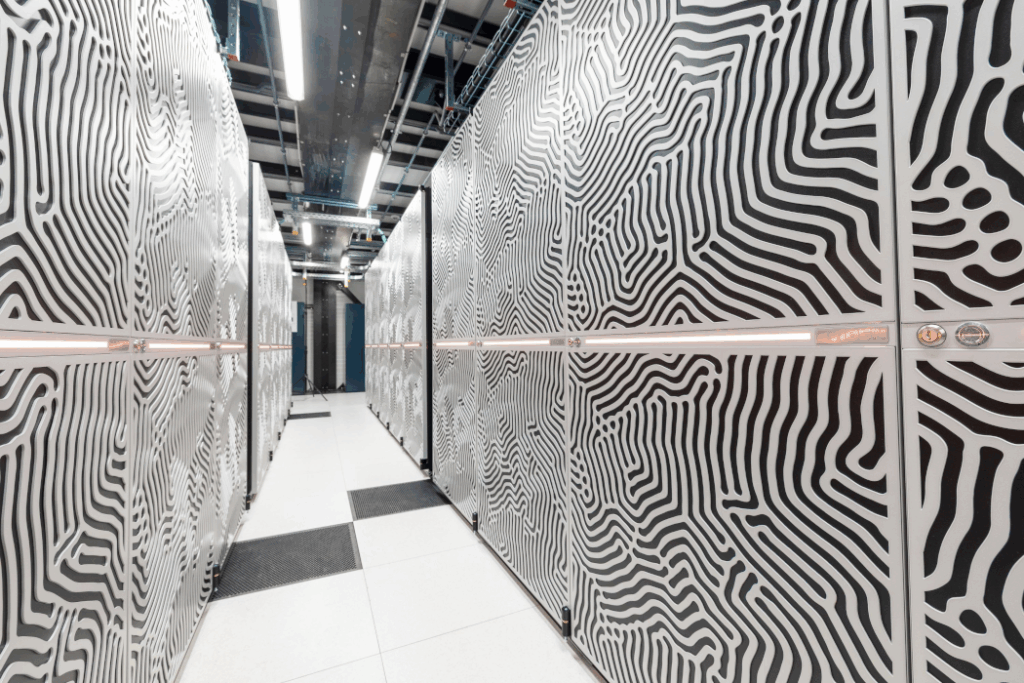
The system is based on a modular architecture and integrates around 24,000 NVIDIA GH200 “Grace Hopper” superchips, making it particularly suitable for highly parallel applications such as training large language models and running complex scientific simulations. JUPITER combines “Cluster” and “Booster” modules, reaching a total performance exceeding 1 exaflop per second, firmly positioning Europe in the exascale era. Sustainability has also been a priority: the system consumes around 15 MW of electricity, powered entirely by renewable sources, while its waste heat is reused for district heating across the Forschungszentrum Jülich campus.
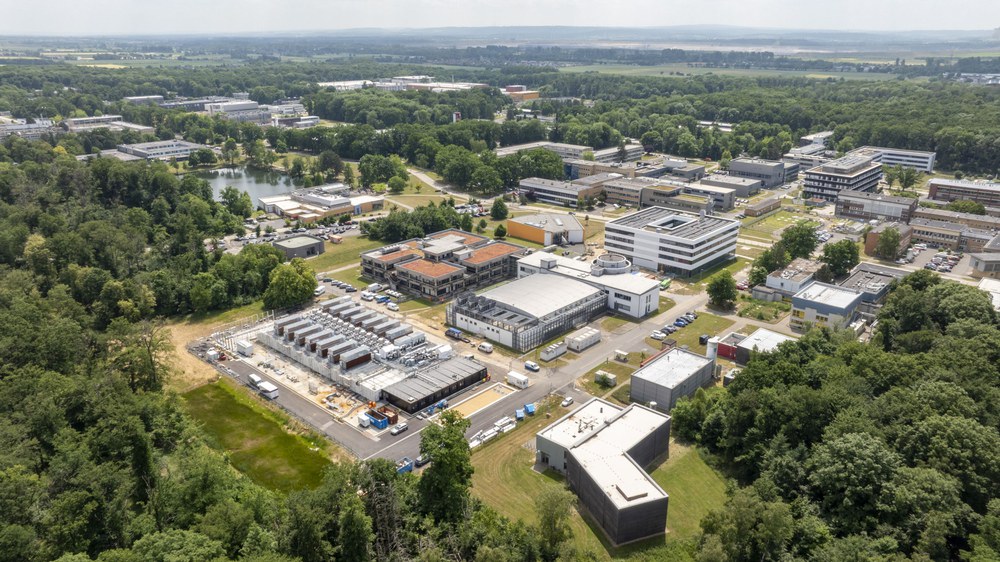
The significance of JUPITER is manifold. As a symbol of European technological independence, it strengthens digital sovereignty and provides researchers and industry across Europe with access to unprecedented computing capabilities. Its immense power is expected to accelerate progress in critical domains such as climate simulations, brain research, quantum simulation, and the training of advanced AI models. The project is the result of close collaboration between European institutions and industrial partners under the EuroHPC JU framework, standing as a prime example of successful synergy between the public and private sectors in support of science, innovation, and industrial development.
The JUPITER supercomputer is not only the fastest European system but also a symbol of Europe’s entry into the exascale era and its ambition to lead in high-performance computing and artificial intelligence. Learn more at [link].