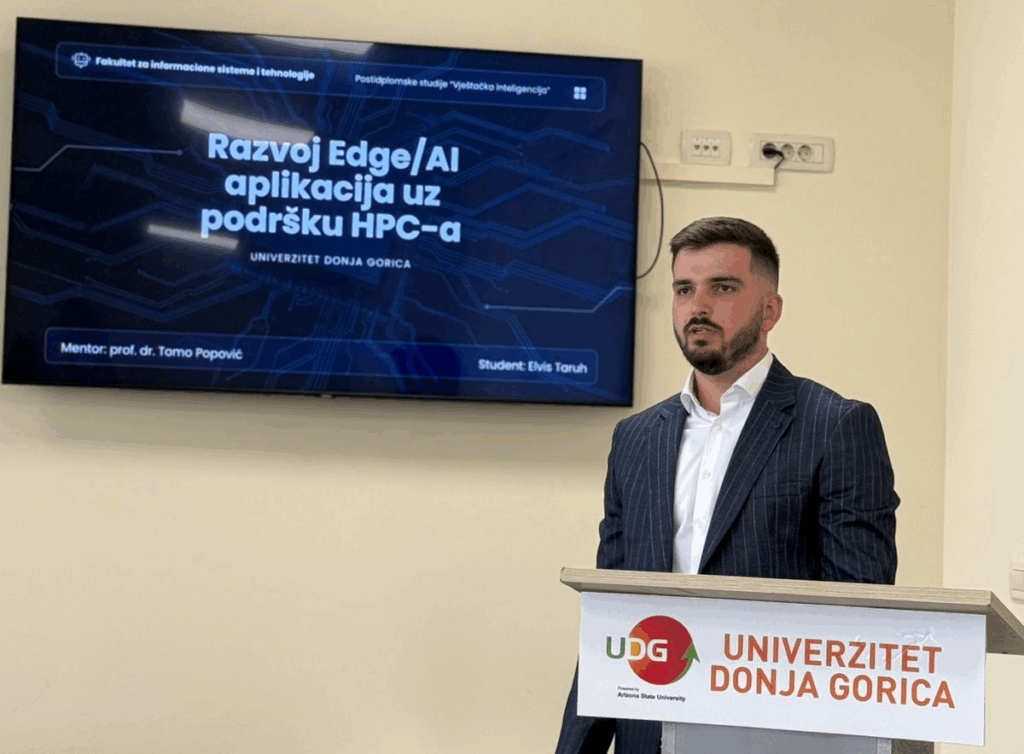
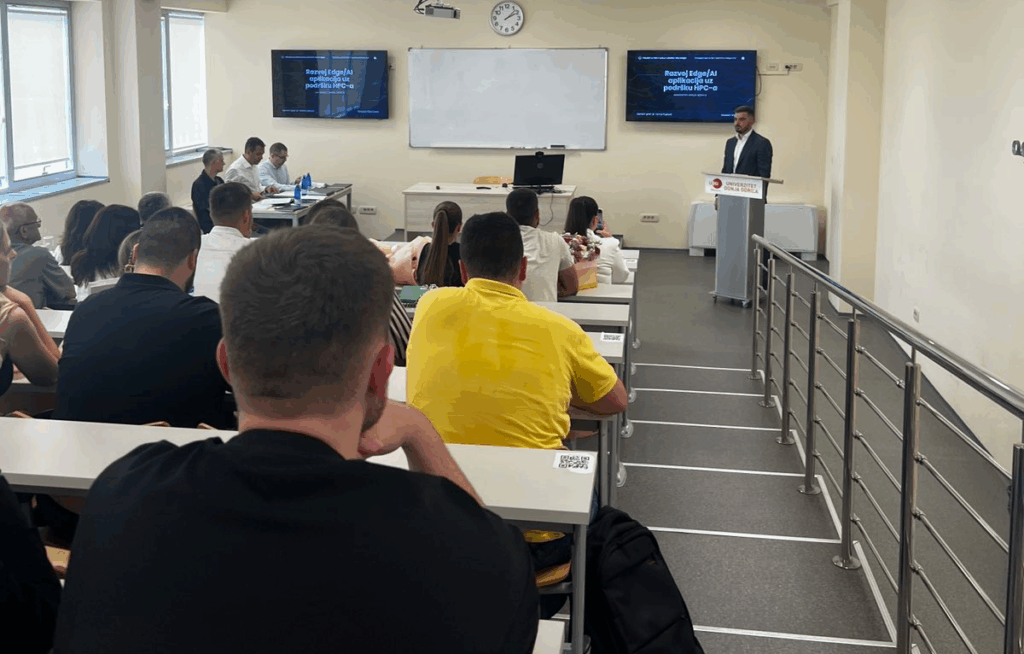
Mr. Elvis Taruh successfully defended his master’s thesis titled “Development of Edge/AI Applications with HPC” at the Faculty of Information Systems and Technologies, University of Donja Gorica.
Mr Elvis Taruh
ABSTRACT – The efficiency of training artificial intelligence (AI) models has become a crucial factor in modern research, especially when dealing with complex systems that require substanial computational power. This study explores how the application of high-performance computing (HPC) and Edge devices can optimize the AI model training process, reducing processing time and improving efficiency. Through an experimental approach, AI model training was analyzed across three different platforms. Local computer, Google Colab and the HPC cluster at the University of Donja Gorica. As a practical example, livestock detection was used. By comparing the training time, memory consumption, and model accuracy, the research demonstrates that HPC clusters significantly accelerate the training process compared to traditional methods, while Edge devices enable faster real-time data analysis.
There was around 30 people attending. This was a small celebration for EuroCC2 and EuroCC4SEE projects
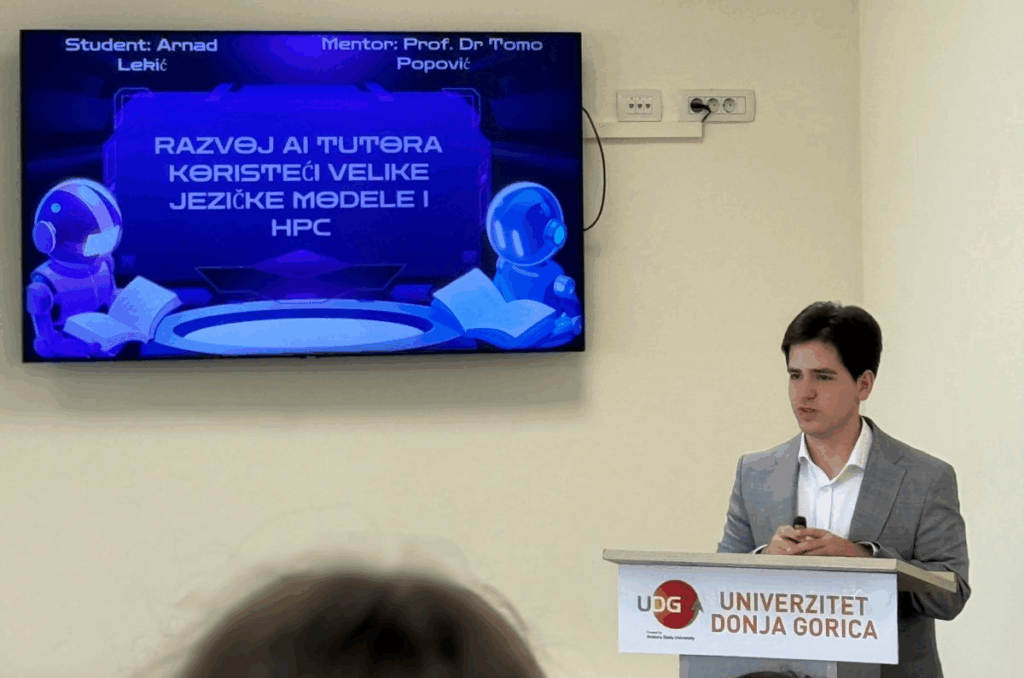
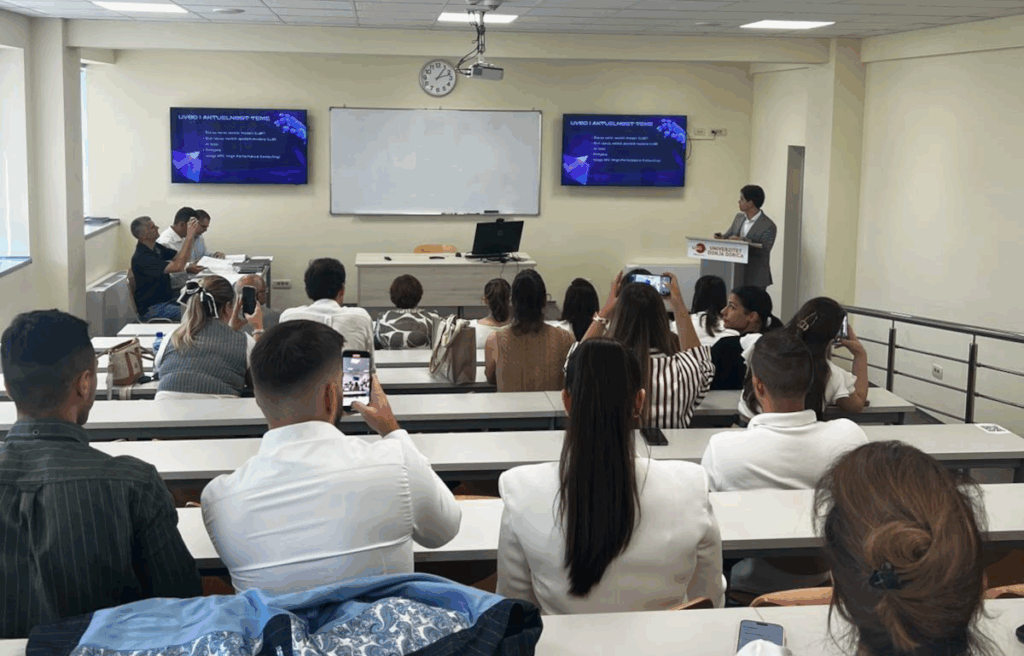
Mr. Arnad Lekić successfully defended his master’s thesis titled “Development of an AI Tutor Using Large Language Models and HPC” at the Faculty of Information Systems and Technologies, University of Donja Gorica.
Mr Arnad Lekic
ABSTRACT – This thesis explores the development of a personalized AI tutor using large language models (LLMs), with a specific focus on the LLaMA architecture and the application of High-Performance Computing (HPC) resources. The research involves the acquisition, setup, and evaluation of an open-source LLaMA model, with the goal of building a system capable of automated test grading. Special emphasis is placed on the training efficiency and feasibility of running the model locally using the available computing nodes, compared to cloud-based solutions like Google Colab. Beyond the technical implementation, the study also addresses the ethical challenges of using generative AI in education. Through experimental analysis, the research demonstrates that open models can be effectively adapted for educational purposes, with the potential to expand to grading diverse exam formats and generating educational content. The work provides directions for future development of systems leveraging advanced multimodal models for more complex tasks.
The defence was attended by over 30 people. We had three candidates that day, all in the context of EuroCC2 and EuroCC4SEE
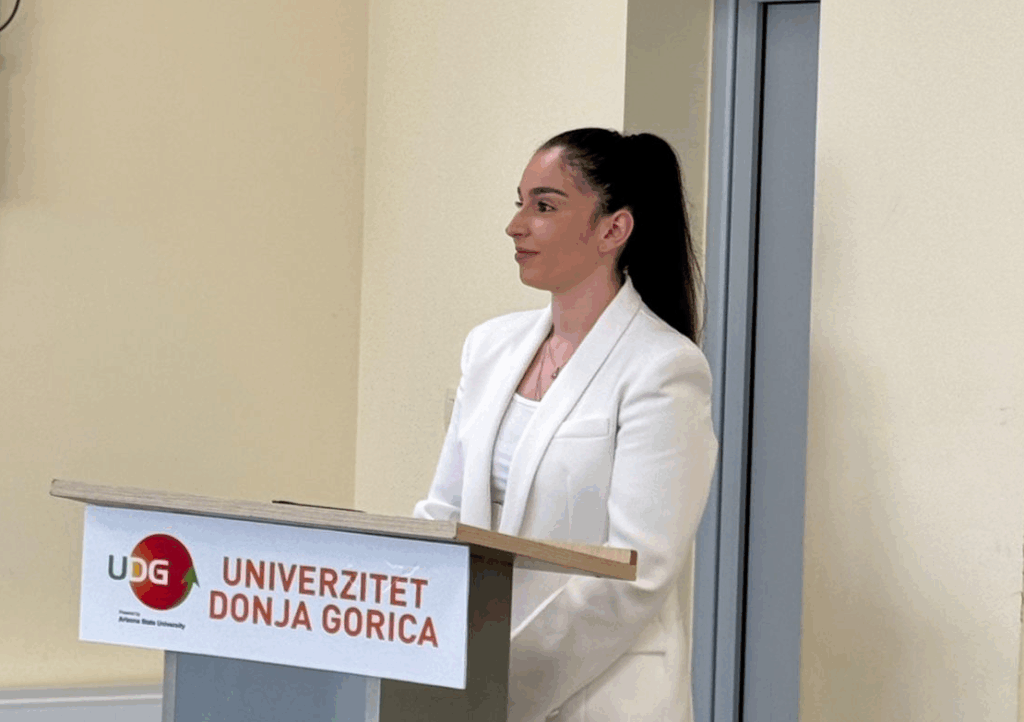
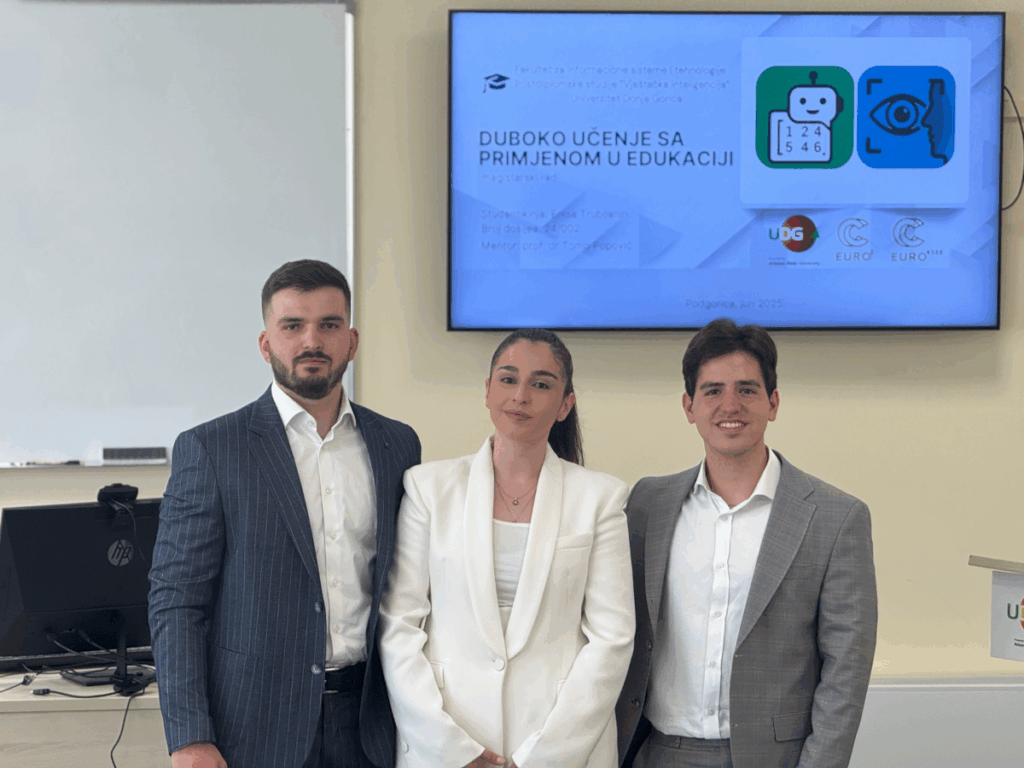
Ms. Enisa Trubljanin successfully defended her master’s thesis titled “Deep Learning with Application in Education” at the Faculty of Information Systems and Technologies, University of Donja Gorica. The development and testing of these solutions were supported by high-performance computing (HPC) resources provided through the EuroCC initiative in Montenegro.
Ms. Enisa Trubljanin
ABSTRACT – This master’s thesis explores the potential application of deep learning in education through the development and evaluation of two concrete solutions: an intelligent chatbot for solving matrix problems and a model for detecting cheating during online exams by analyzing eye movement. The first part of the thesis provides a theoretical foundation of deep learning, with a focus on neural networks, their architectures, transfer learning, and evaluation metrics. The practical part presents the development of a chatbot based on advanced language and mathematical models, implemented using high-performance computing cluster resources, enabling students to engage in interactive mathematics learning. Additionally, a model for detecting cheating through gaze analysis was developed, trained on the Columbia Gaze Dataset, and integrated into an online exam proctoring system. Evaluation results demonstrate a high level of accuracy and user satisfaction for both solutions. Beyond the technical aspects, the thesis also addresses ethical issues and privacy concerns related to the use of artificial intelligence in educational settings. Based on the findings, the study highlights the broad range of potential applications of deep learning in modern educational systems.
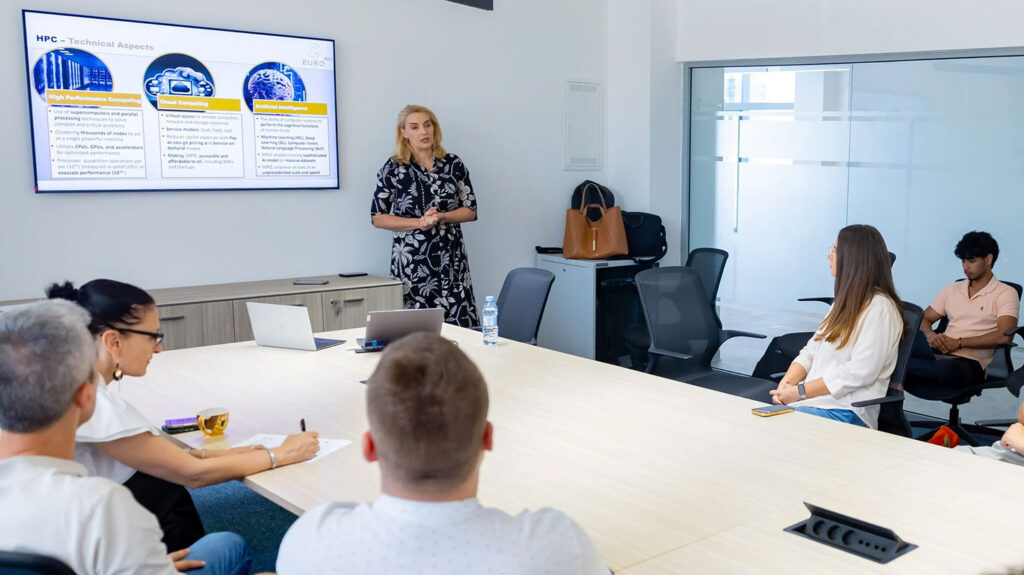
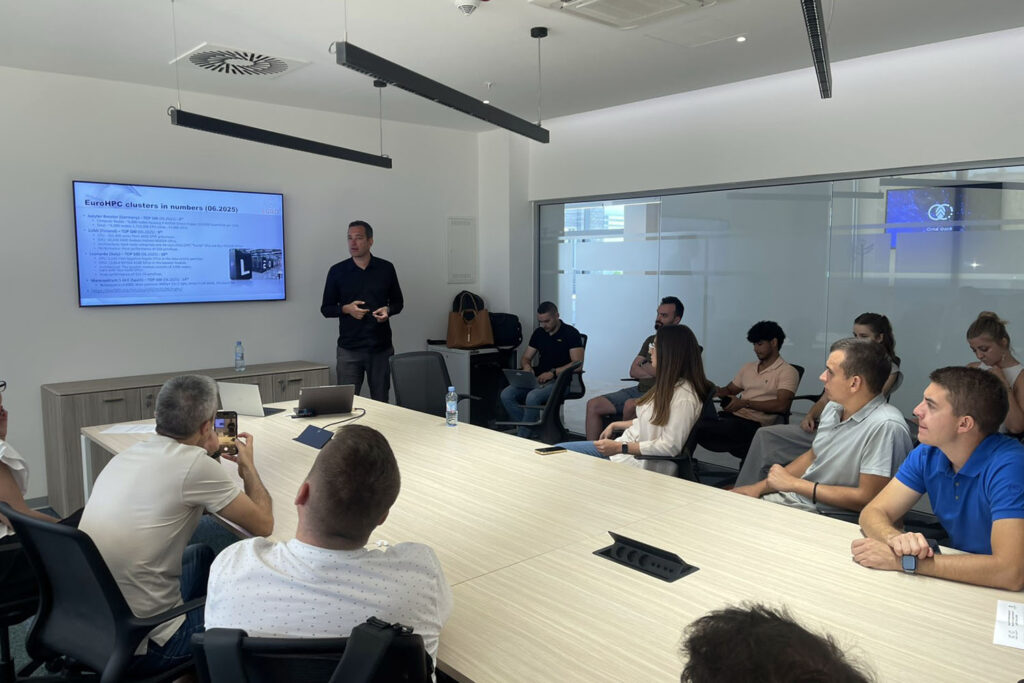
As part of its mission to promote awareness and adoption of advanced HPC and AI technologies, the NCC Montenegro held an industry workshop at the Science and Technology Park (STP) Podgorica, Montenegro’s flagship innovation hub that empowers innovative companies and startups by offering incubation, training, mentorship, and access to collaborative networks.
The event brought together representatives of the local startup ecosystem and tech-oriented SMEs to explore how data-driven technologies can accelerate business development, supported by EuroCC2/EuroCC4SEE project objectives and NCC Montenegro’s service and training portfolio. Participants were introduced to practical examples of HPC and AI applications across various industry and research domains, including Success Stories from Montenegro. The workshop featured a demonstration of the HPC4SME assessment tool, and offered practical guidance on how interested companies can receive technical consultations, apply for access to top-tier European supercomputers through EuroHPC Calls, and engage in HPC-related funded projects, such as FFplus for Business Experiment Calls.
The event concluded with active Q&A session and follow-up discussions, reinforcing that innovation-driven companies in Montenegro have both the creativity and ambition to thrive in the high-tech arena—and that they value the NCC Montenegro’s opportunities to access powerful digital infrastructure and expertise.
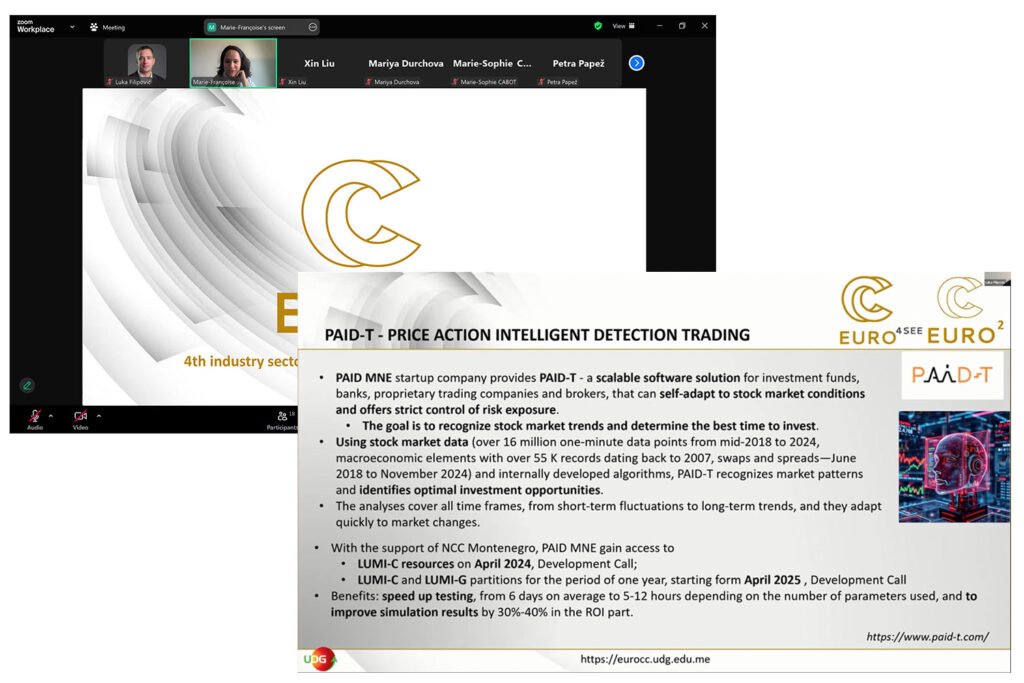
On June 23, 2025, representatives of NCC Montenegro participated in the fourth “Industry Sector of the Month” workshop, dedicated to the Finance & Insurance sector, together with colleagues from NCC Germany, France, and Slovakia. Luka Filipovic presented success stories from the sector, highlighting collaboration with innovative Montenegrin SMEs PAID, Uhura, and Fleka, showcasing use cases aligned with finance. The workshop provided best practice stories from the finance sector regarding the use of HPC and AI within the EuroCC network.
4th Industry Sector of the Month, Finance and Insurance
ITAS is in the implementation phase of the project “AI system for pathological analysis of adenocarcinoma (PathAI)”, co-financed by the Innovation Fund of Montenegro, when processing the collected images requires GPU resources that exceed locally available resources, so the application to the EuroHPC JU Development call was recognized as the optimal solution. To this end, the Director of ITAS, Ivan Bošković, requested assistance from the NCC Montenegro team in preparing the application.
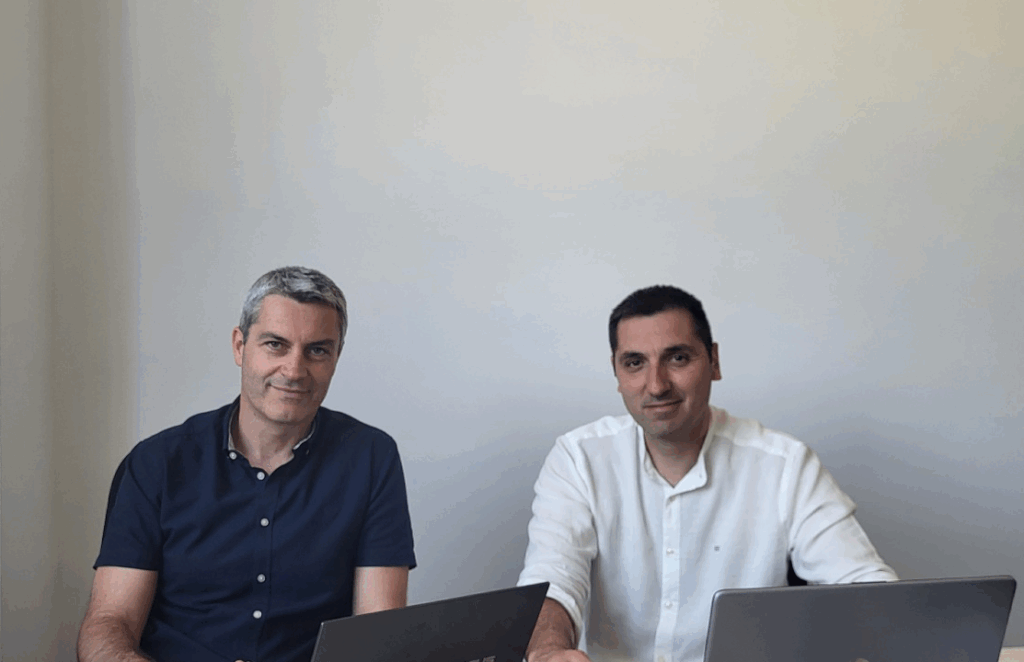
Prof. Enis Kočan, a member of the NCC Montenegro team, visited ITAS on Tuesday, June 24, and provided all the information and technical details necessary for preparing the application to the EuroHPC JU Development call. ITAS will apply for the necessary GPU resources to the Development call by the end of June.
prof. Enis Kocan (UCG) and mr Ivan Boscovic (ITAS)
In addition, during the meeting, other projects that ITAS is currently working on were discussed, as well as possibilities for cooperation with the NCC Montenegro team. Prof. Enis Kočan presented to Director Bošković the second open Fortissimo plus call for Business Experiments, intended for small and medium-sized enterprises.
We are pleased to announce that two Montenegrin SMEs, Recrewty and DigitalSmart, have been awarded access to the Leonardo Booster at CINECA, one of Europe’s most powerful high-performance computing (HPC) systems. The access is granted under the EuroHPC JU Development Call, providing 12 months of HPC resources to support advanced AI development and innovation.
The awarded project, HPC4HR – High-Performance Computing for Human Resources, aims to revolutionize recruitment processes in the Western Balkans through the integration of generative AI (GenAI) and HPC technologies. The project focuses on analyzing multimodal data—text, audio, and video—from candidate applications to enable efficient, unbiased, and culturally sensitive hiring processes. The HPC resources will be used in support to their joint FFPlus project GenAI-HPC4WB (link).
The GenAI-HPC4WB project combines GenAI, ML, and HPC to optimize hiring processes and enhance business culture in the Balkan region
To achieve this, the project will leverage cutting-edge AI models such as LLaMA 3.x, Mistral, Wav2Vec 2.x, Whisper, FaceNet, and DeepFace, all fine-tuned using HPC resources at CINECA. These models will be developed to evaluate resumes, analyze psychometric traits from audio recordings, and interpret emotional and behavioral cues from HR data. By utilizing HPC, the project ensures scalability and processing speed, enabling large datasets to be handled efficiently, significantly shortening recruitment cycles and improving candidate matching. In addition to enhancing operational efficiency, HPC4HR emphasizes ethical AI development, aiming to reduce biases in recruitment and promote diversity and inclusion. The expected outcomes include a set of adaptable, high-performance AI tools that set new standards for digital transformation in human resources, applicable across industries and geographies.
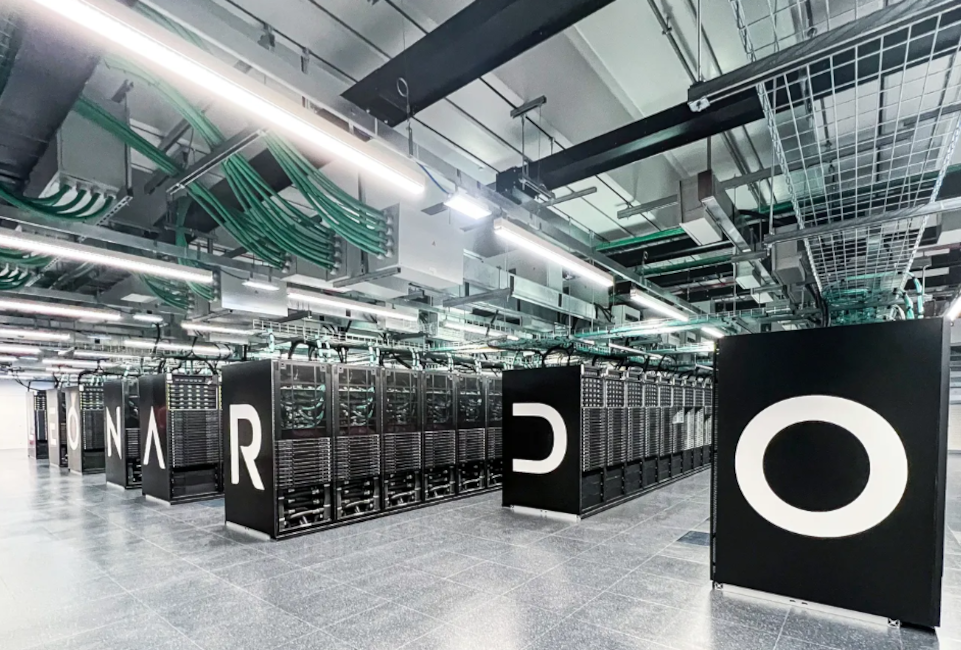
Leonardo Booster partition will be used in this project
The success of Recrewty and DigitalSmart reflects the growing impact of NCC Montenegro in strengthening the national HPC and AI ecosystem. By supporting companies in accessing leading European HPC infrastructure, NCC Montenegro continues to drive digital innovation, competitiveness, and technological excellence in the region.